Apple smart glasses privacy is reportedly becoming a central part of the company’s plan for its first eyewear device, as Apple prepares to enter a product category already carrying the social baggage of face-mounted cameras. Bloomberg’s Mark Gurman reported that Apple is planning to show the glasses at WWDC next June, with a launch expected by the end of 2027.
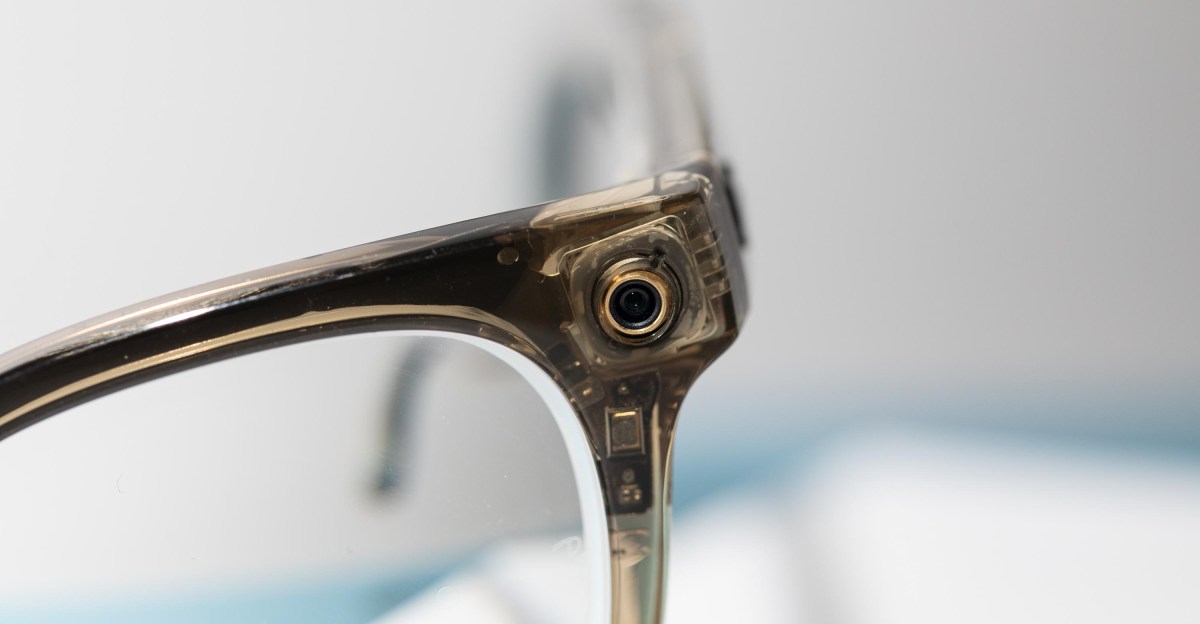
Gurman reported that part of the delay may come from Apple trying to settle both the privacy features and the way it will explain them. That is not cosmetic work. Smart glasses can make recording less obvious to people nearby, which is why Meta’s glasses have drawn criticism over photo and video capture that can happen without much friction or social warning.
Apple has spent more than a decade making privacy a central part of its product pitch, according to Gurman. Entering the same category as Meta creates a reputation problem even before Apple says what its glasses can do. A camera on a phone is visible in the hand. A camera on a face is a different argument, and Apple appears to know it cannot hand-wave that away with a nice launch video.
How will Apple smart glasses privacy work?
Bloomberg reports that Apple is likely to rely on on-device processing, which means more data would be handled locally on the glasses or paired Apple hardware instead of being sent to remote servers. That approach can reduce exposure of sensitive recordings, though the final design and limits have not been announced.
Gurman also expects Apple to avoid some of the more contentious features associated with camera-equipped AI glasses. Bloomberg says Apple is likely to skip facial recognition and avoid an always-recording mode similar to Meta’s “super sensing” feature. Gurman also reported that Apple is expected to avoid using customer recordings to train AI models.
Those choices would draw a clear line between glasses that sense the world to help the wearer and glasses that build a rolling archive of what the wearer sees. The distinction is technical, but also social: bystanders generally do not get a settings screen.
Other privacy protections in hardware and software are reportedly under development, according to Bloomberg. The details remain thin, which is usually where the hard parts live. Indicator lights, capture limits, local processing rules, and model-training policies can all sound tidy onstage and become messier once developers and users start asking for more capable features.
Could Apple smart glasses ship without a camera?
Gurman reported that Apple could eventually offer a version of the glasses without a camera. Another possibility is a camera used only for sensing, with no ability to take photos or record video.
That sensing-only approach would be similar to what has been rumored for Apple’s AI-enabled AirPods, according to The Verge’s report on those rumors. A sensing camera could help software understand surroundings without turning the product into a wearable camera in the usual consumer sense.
For now, the confirmed news is narrower: Bloomberg says Apple is targeting a WWDC reveal next June and a launch by late 2027. Everything else, including the camera configuration and exact privacy controls, remains reported planning rather than an announced product. Apple’s problem is already visible, though. To sell smart glasses, it has to convince buyers they are useful and convince everyone else they are not being quietly enrolled as background data.
This story draws on original reporting from The Verge.