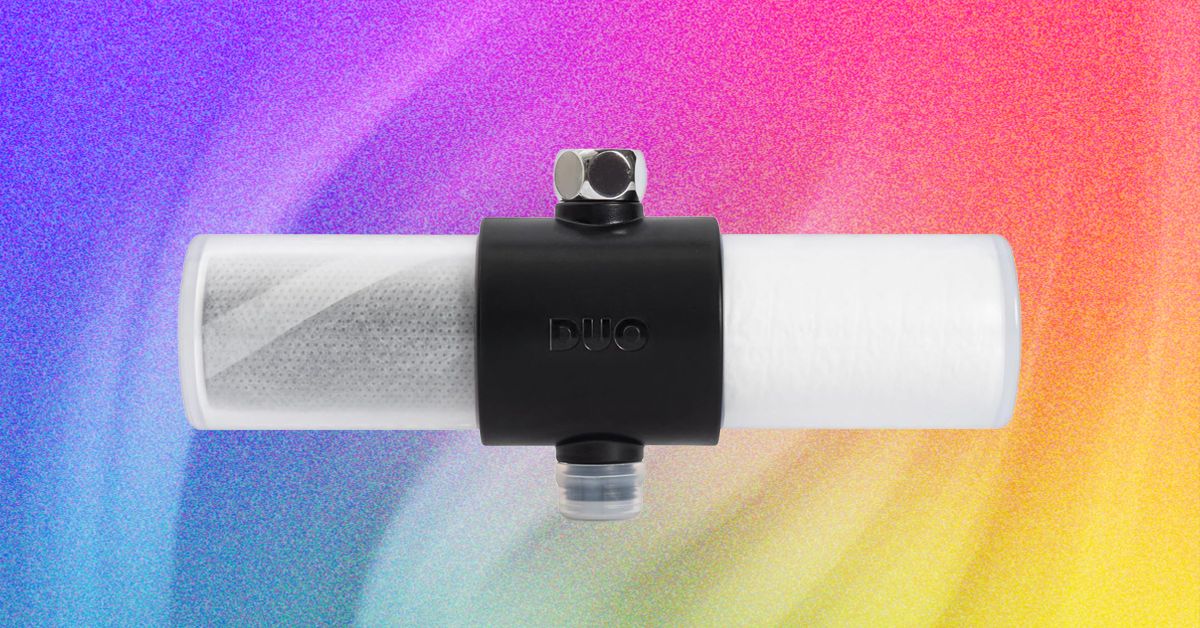
WIRED’s updated guide to the best shower filters 2026 names the Weddell Duo as its top pick after nearly two years of testing filtered showerheads and inline filters. The finding is useful for buyers because the category is full of confident claims and much thinner proof, especially around chlorine, chloramine and PFAS removal.
According to WIRED reviewer Matthew Korfhage, testing used lab kits and digital colorimeters rather than rough test strips. WIRED also leaned on independent lab reports where companies made them available, which is the right instinct in a market where too many vendors treat “lab tested” as a decorative sticker.
What is the best shower filter in 2026?
WIRED’s current top pick is the Weddell Duo Shower Filter, a $90 inline unit that screws between the shower pipe and an existing showerhead. WIRED says it is the strongest-tested option it reviewed for chlorine and PFAS, though its plain horizontal body is more plumbing hardware than spa accessory.
The Weddell Duo has NSF International certification for removing free chlorine and lead, according to WIRED. The certification covers at least 87 percent free-chlorine reduction over 10,000 gallons. WIRED also says it reviewed independent testing from accredited lab IAPMO R&T showing PFAS removal. PFAS are often called “forever chemicals” because they persist in the environment and have been linked to cancer risks, according to WIRED’s description.
The catch is municipal chemistry. WIRED reports that Weddell performs best in cities that disinfect water with chlorine rather than chloramine. In chloramine-treated systems, WIRED found it reduced total chlorine heavily, but not as well out of the box as the Rorra and Canopy showerheads.
Which filtered showerheads did WIRED recommend?
WIRED named the Rorra Filtered Showerhead its best filtered showerhead. The $199 model uses KDF-55 and calcium sulfite filtration media, and WIRED says it reduced chlorine and chloramine to undetectable levels in its testing. Rorra also publishes independent third-party test results, including testing tied to NSF/ANSI 177 chlorine reduction, according to WIRED.
WIRED reports that Rorra’s lab data shows chlorine removal above 90 percent for three months of daily eight-minute showers by two people, or about six months for one person. Replacement filters cost $45 and are recommended every three months. The drawbacks are predictable: no adjustable spray settings and a higher price than several rivals.
For handheld use, WIRED picked the Canopy Handheld Filtered Showerhead, listed at $125 during the update, down from $150. WIRED says it uses the same three-layer filter puck as Canopy’s fixed showerhead: KDF-55, calcium sulfite and activated carbon. In WIRED’s testing, that setup brought total chlorine down to undetectable levels.
Canopy’s handheld design puts the filter inside the spray head rather than in a bulky add-on module. WIRED liked the cleaner build and weight, while noting that some users may find it heavy. The wand also lacks adjustable spray modes, and WIRED found filter changes harder than they should be.
What did the July 2026 update change?
WIRED said its July 2026 update added Canopy’s Mini Filtered Showerhead as the new value pick at $99. It also added Boroux’s shower filter to honorable mentions, added new testing information for Filterbaby’s sink filter, changed the top pick to Weddell Duo because of PFAS considerations, and refreshed prices and product details.
The practical takeaway is narrow but useful: shower filters can reduce disinfectants such as chlorine, but performance depends on the disinfectant your city uses and on whether the maker has real lab data. Pretty hardware is optional. Transparent testing is not.
This story draws on original reporting from WIRED.


