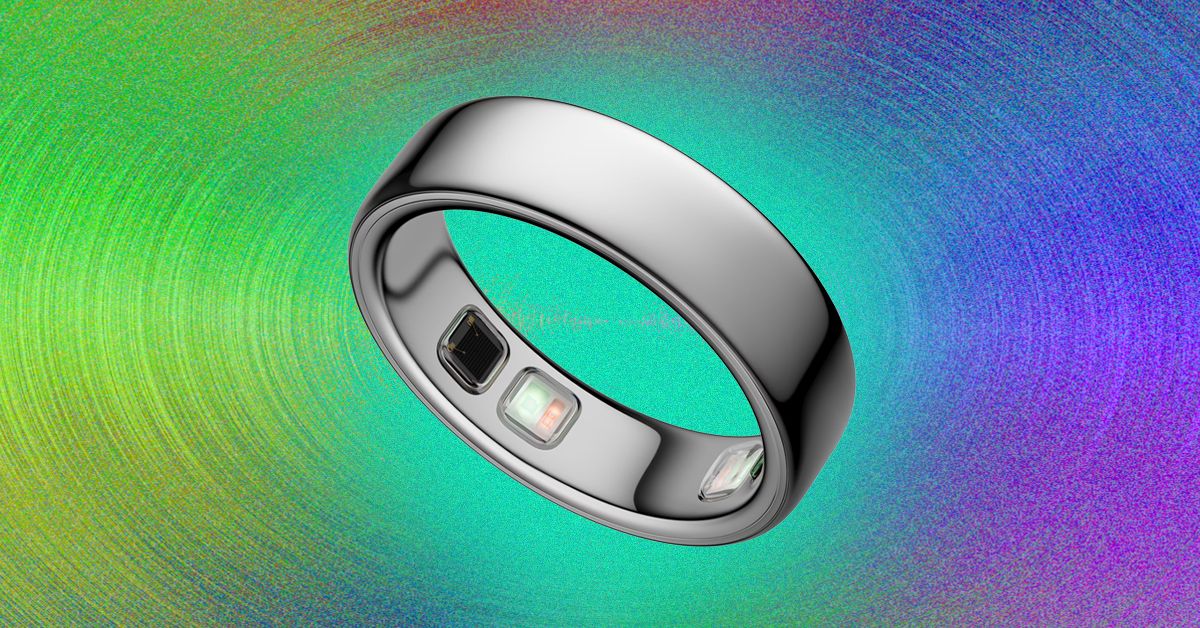
WIRED’s July update of its best smart rings 2026 recommendations puts the Oura Ring 5 in first place, followed by the RingConn Gen 2 Air for buyers avoiding subscriptions and the Samsung Galaxy Ring for people already using Samsung hardware. The list is useful for buyers because these rings now cost about as much as a smartwatch, then ask users to trust tiny sensors and an app with their sleep, activity and health signals.
Smart rings are pitched as lower-friction wearables: no screen, less bulk in bed, and health tracking that sits on a finger rather than a wrist. According to WIRED, the category now includes established names such as Oura, cheaper entrants such as RingConn, fitness brands including Amazfit, and Samsung.
What are the best smart rings in 2026?
WIRED names the Oura Ring 5 as its best overall smart ring. The device starts at $399, works with iOS and Android, and has a required membership for most of its useful analysis: $6 per month or $70 per year after the first month, according to WIRED. Without that subscription, users can see only Readiness, Activity and Sleep scores.
The Ring 5 is 40 percent smaller than the previous model, WIRED reports. Oura also changed the sensor design, improved signal detection, added a physical vapor deposition coating over the titanium exterior for scratch resistance, and claims battery life of six to nine days. The ring is rated IP68 for water and dust resistance and has 100-meter water resistance.
WIRED says Oura’s newer software push centers on Oura Advisor, an AI feature meant to answer wellness questions and connect patterns in long-term data. The Ring 5 also adds blood pressure signals and nighttime breathing insights. The caveat is the usual one: it is still not the obvious pick for athletes who need live workout metrics or built-in GPS, and WIRED says Oura’s Symptom Radar remains less predictive than the company claims.
Which smart ring has no subscription?
WIRED’s subscription-free pick is the RingConn Gen 2 Air, priced at $199. It tracks steps, calories burned, heart rate, blood oxygen and sleep, and can issue sedentary and stress prompts. The companion app includes an AI assistant that creates a plan and adjusts targets weekly based on activity and feedback, though WIRED found the feature did not meaningfully change the experience.
The trade-offs are plain. WIRED says the Gen 2 Air uses cheaper steel than the Gen 2, lacks sleep apnea detection, ships with a basic charger instead of a charging case, and has limited workout tracking. Reviewer Simon Hill found it overcounted sleep and undercounted steps and activity compared with Oura and Apple Watch data. Battery life is listed at up to 10 days, with iOS and Android support.
Who should buy the Samsung Galaxy Ring?
WIRED recommends the $400 Samsung Galaxy Ring mainly for Samsung users. The ring works with Android, has no subscription, and pairs tightly with Galaxy Watch8 and Galaxy Watch Ultra devices by sharing tracking tasks and covering activity while the watch charges, according to WIRED.
Former WIRED editor Adrienne So found the Galaxy Ring’s accuracy comparable to the Apple Watch Ultra. WIRED says it handled automatic workout detection, including pool workouts, and delivered reliable heart-rate tracking. Its cycle tracking uses skin-temperature sensing through Natural Cycles. The catch is Samsung’s software gatekeeping: daily Energy Score and Booster Cards require Galaxy AI, so they need a Samsung phone. WIRED also found its sleep tracking somewhat generous, attributing that in part to the lack of a gyroscope.
This story draws on original reporting from WIRED.


