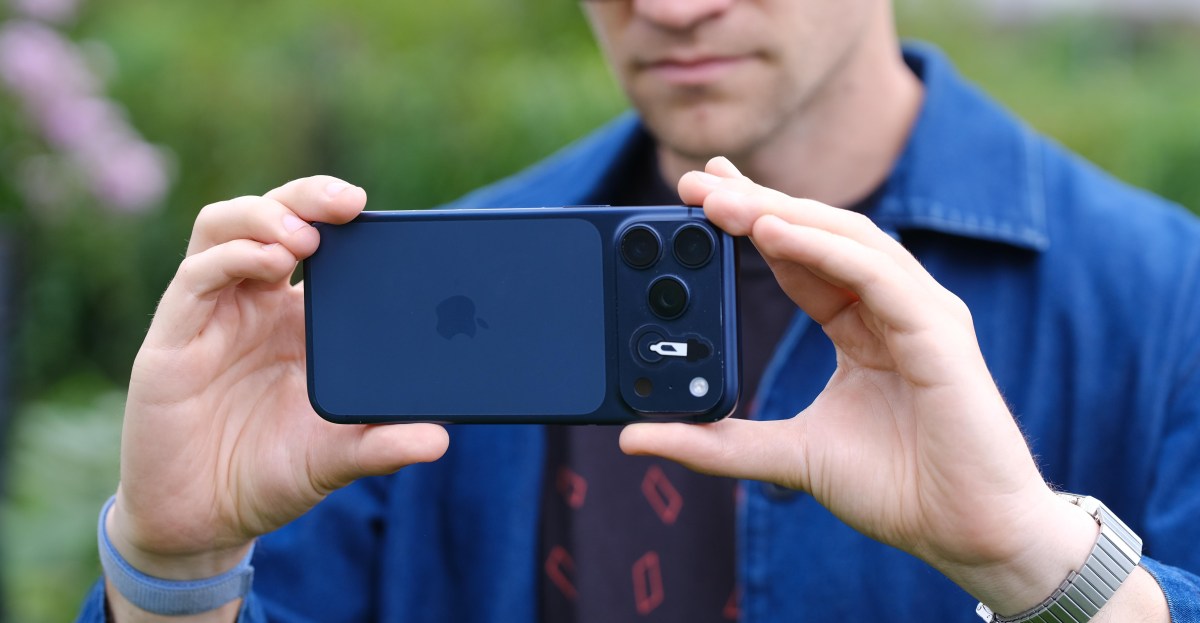
Better smartphone photos are possible with current phones, but The Verge’s David Imel argues they usually require more than opening the stock camera app and tapping the shutter. In an Aug. 1 report, Imel wrote that third-party camera apps and some editing can help phone images compete with dedicated digital cameras in the right conditions.
That is a useful corrective to the usual phone-camera marketing fog. Smartphone makers have shipped larger sensors, higher resolutions and better light-gathering hardware in recent years, according to Imel. The hardware has improved. The default output, he says, has not necessarily followed.
Imel, a technology reporter who covers computational photography and co-hosts the Waveform podcast, wrote that the images produced straight from default camera apps have seen little improvement and may look worse in some aesthetic respects. His example photos in the report were labeled as shot on an iPhone 17 Pro Max.
How do I take better photos on my phone?
Imel’s answer is annoyingly familiar to anyone who has watched software flatten a good sensor into a cautious JPEG: use apps beyond the built-in camera when useful, then spend time editing. The point is not that phones magically replaced dedicated cameras. It is that modern phones have enough imaging hardware that the limiting factor can be the default processing, especially when the goal is a photograph rather than a receipt of what was in front of the lens.
The mechanism matters. Imel says phone cameras are usually tuned for moving information, meaning legible pictures of menus, signs, people and objects. To do that, the software commonly reduces bright areas and raises dark areas so more of the scene is visible.
That makes sense for a device people use to send visual notes all day. It can also make photos look flat. More visible detail across the frame does not automatically produce a stronger image, especially when contrast, mood and subject separation matter.
Why default camera apps can make photos look flat
Default camera apps are built for the median shot, not for taste. They try to rescue highlights, open shadows and keep faces or text readable. That processing can be useful when the subject is a menu board or a sign across the street, but it can sand off the choices photographers normally make about light and contrast.
Imel’s case is also a warning about sensor-size bragging. Bigger sensors and more pixels give the software better raw material, but the final look still depends on how the phone maker processes the image and how much control the user takes afterward.
For casual shooters, the practical takeaway is modest: the phone in your pocket may be capable of more than its default camera app suggests. Getting there takes extra work, and the stock app’s priority is often clarity over character.
This story draws on original reporting from The Verge.


