A new Daisy One review from WIRED gives the startup’s first headphones a split verdict: the $349 over-ear cans feel polished, comfortable and refreshingly button-heavy, while their sound and noise control fall short of the premium models Daisy wants to challenge.
WIRED reviewer Boone Ashworth rated the Daisy One 6/10 after testing the Pacific blue version. He praised the build, the fit, the battery life and the physical controls, then ran into the boring part that headphone companies prefer to hide behind lifestyle photography: audio performance. Ashworth described the sound as merely adequate and said the active noise cancellation and transparency mode were weak.
Daisy is a California company led by CEO Jack Mulroe and staffed in part by former engineers from Harman Professional Solutions, the Samsung-owned audio business, according to WIRED. The headphones use a sound system developed with Utah-based ((nxc)) systems. Mulroe previously told WIRED that Daisy was created in response to what he saw as a lack of variety in headphone design after Beats by Dre helped push colorful headsets into the mainstream.
Are the Daisy One headphones worth buying?
Based on WIRED’s testing, the Daisy One looks better than it sounds. The review says buyers who care most about comfort, materials and physical controls may like them, while listeners who prioritize sound quality or noise cancellation should be cautious.
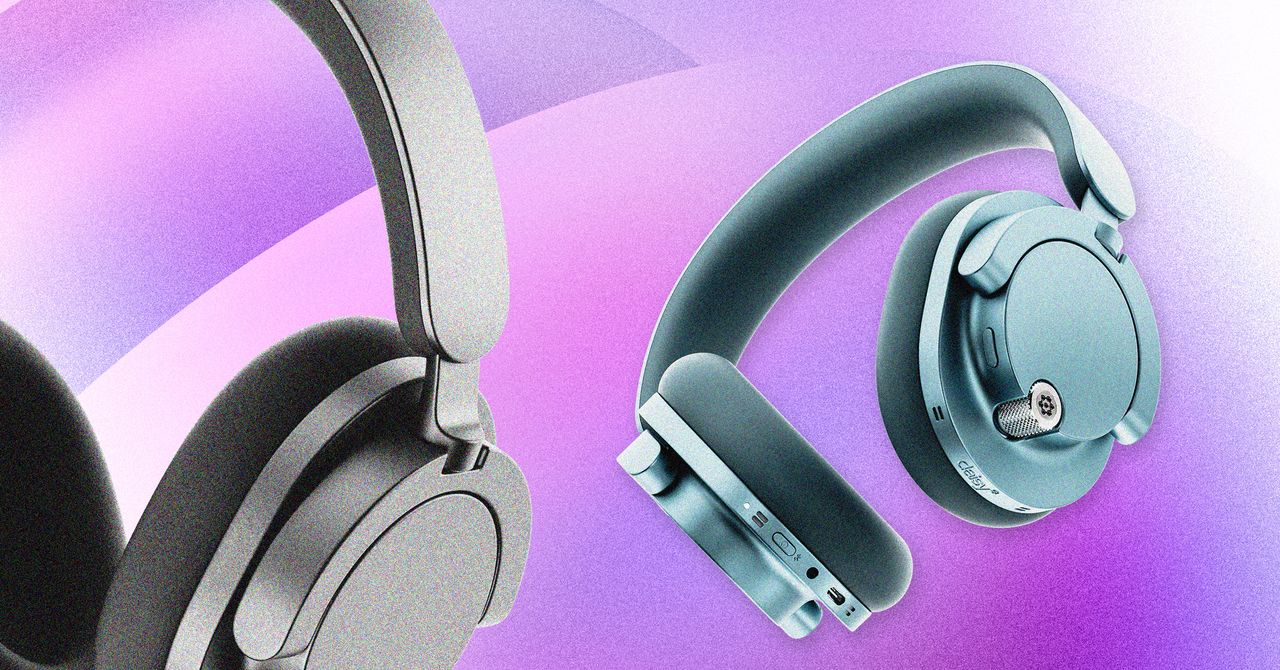
The hardware is the strongest part of the package. WIRED said the headphones use aluminum and TR90 polymers, come in Silver, Pacific and Kelp colors, and ship in packaging designed to feel like a book on a shelf. The carrying case uses a magnetic latch, and the earcups attach magnetically so they can be removed for replacement.
Ashworth found the headphones a little heavier than some rival premium models, but said the soft earpads worked well with glasses and stayed comfortable for long sessions. Daisy rates battery life at 45 hours, and WIRED said charging did not become a problem during testing.
The controls are where Daisy made the clearest product decision. The Daisy One has no touch controls. Instead, it uses a metal volume dial that can also pause, play and skip tracks through clicks. A separate button switches between noise cancellation and transparency modes. Long-pressing that button starts built-in ambient sounds, including rainfall, a forest stream, a waterfall and ocean waves that Daisy says were recorded in California, plus a five-minute breathwork session.
The feature list also includes a 3.5 mm jack and USB-C audio. WIRED reported that USB-C supports 24-bit digital audio at 44.1 kHz or 48 kHz. Daisy also said it has signed paperwork with Sony to add LDAC, Sony’s higher-resolution Bluetooth codec, through an over-the-air update later this year. That remains a promised update, not a feature WIRED reviewed as shipping.
The review’s main complaints are blunt:
- Noise cancellation struggled in wind and on a loud subway train, according to WIRED.
- Transparency mode let in too little outside sound and degraded audio quality, the review said.
- The default Daisy EQ with dynamic bass helped bass-heavy music, but the flat profile exposed hollow sound, tinny highs and weak lows, according to Ashworth.
- Call quality was acceptable in WIRED’s test, with no complaints from people on the other end.
Daisy told WIRED it knows about the noise-control problems and plans to address them with software updates. That is a thin ledge for a $349 purchase. The company originally announced the headphones at $399, according to WIRED, and the lower price helps. Still, WIRED pointed out that Sony and Bose flagship headphones can come close to Daisy’s price during sales.
The result is a familiar first-generation hardware story: the industrial design has a point of view, the controls respect human fingers, and the audio stack needs work before Daisy can credibly pick a fight with Sony, Apple and Bose.
This story draws on original reporting from WIRED.