Data centers need a dependable flow of electricity, cooling and network equipment to keep servers running. The problem with some new data center gas power plants is not only that they burn gas. It is the particular equipment developers are choosing: simple-cycle turbines that forgo the waste-heat recovery used by more efficient gas plants.
WIRED reports that Amazon has acquired an off-grid plant under construction in Texas for one of its data centers. The project is permitted to emit as much as 33 million tons of greenhouse gases a year and is designed to use only simple-cycle turbines. That permit is a ceiling, not a forecast of actual annual emissions. WIRED notes that gas-plant permits commonly exceed real-world emissions.
The Texas project is a useful example of a broader buildout. WIRED identified similar simple-cycle plans or installations associated with Meta, Microsoft, Google and xAI. Their operating schedules and eventual emissions will vary, but the engineering trade-off is the same.
Why are data center gas power plants less efficient?
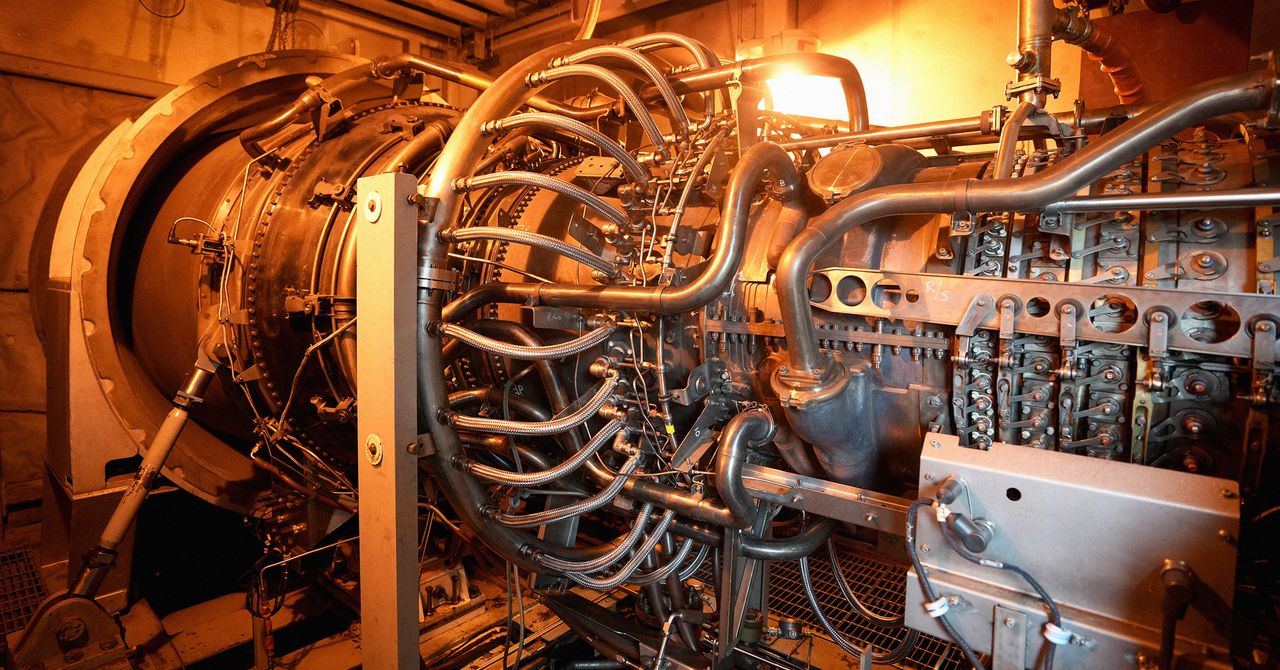
A simple-cycle turbine burns gas in a turbine and produces electricity, then sends much of the remaining heat out its exhaust. A combined-cycle plant puts that hot exhaust to work: it uses the heat to make steam, which drives a second turbine and produces additional electricity.
That extra stage is not decorative plumbing. The U.S. Energy Information Administration says combined-cycle plants need less fuel per unit of output because they recover excess combustion heat. Simple-cycle units therefore use more fuel to produce the same electricity, which means more greenhouse-gas emissions per unit of power generated.
- Simple-cycle: one turbine, no waste-heat recovery, faster startup and ramping.
- Combined-cycle: adds steam equipment to capture exhaust heat, producing more electricity from the fuel but adding complexity.
The choice is driven by speed as much as thermodynamics. Britt Burt of Industrial Info Resources told WIRED that simple-cycle units can be installed more quickly and cheaply than combined-cycle equipment while turbine orders and related parts face years-long backlogs. The EIA says simple-cycle turbines can start and reach full load two to three times faster than combined-cycle or steam-boiler gas generators.
That flexibility can suit variable computing demand. Stephen Lynch, who directs Penn State's gas-turbine research center, told WIRED that many turbines able to switch individually on and off can better handle a highly fluctuating load than one large machine subject to frequent cycling. That describes a design rationale, not a claim that every data center's demand behaves this way.
There is another trade-off: water. WIRED reports that simple-cycle turbines generally do not require water. Burt estimated that a 250-megawatt combined-cycle plant could use about 75,000 gallons an hour, an estimate rather than a universal plant figure. Amazon's permit application calls the lack of water use an environmental benefit, while spokesperson Heather Callahan said the Texas site would also include solar and battery storage and is designed to connect to the grid when interconnection timing permits.
Simple-cycle turbines can supply power quickly when grid demand fluctuates. Putting that hardware into dedicated, potentially long-lived data-center supply changes the stakes: developers get fast construction, responsive generation and low operational water use, while accepting greater fuel use and emissions per megawatt-hour than a combined-cycle plant.
This story draws on original reporting from WIRED.


