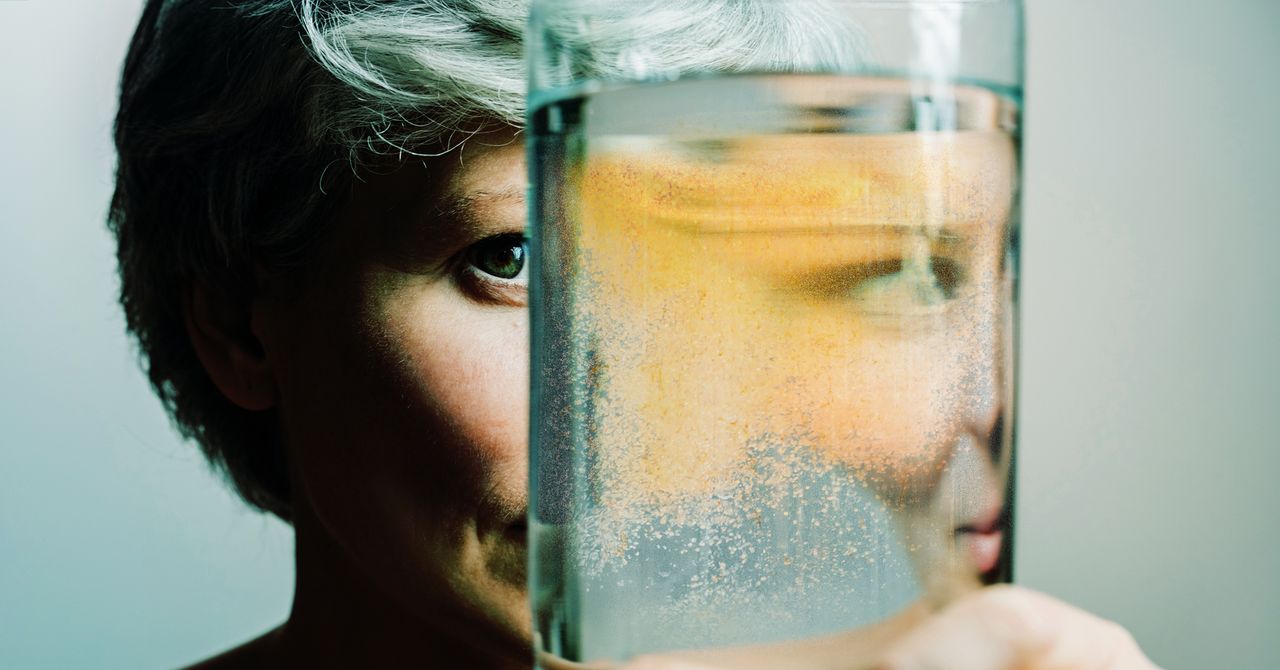
Electrolyte drinks daily have become a wellness default, sold as a fix for fatigue, brain fog, skin, workouts and vague modern depletion. The evidence cited by WIRED Middle East is less glamorous: most healthy adults who eat a varied diet and drink water when thirsty are already getting the minerals their bodies need.
The category is no small sideshow. Fortune Business Insights estimates the global electrolyte drinks market will be worth $39 billion in 2025 and could double within the next decade. Prime Hydration, the brand created by Logan Paul and KSI, claimed it passed $1 billion in sales in a single year. That is a lot of powder packets for a problem the body often handles without influencer supervision.
Do you need electrolyte drinks every day?
For most healthy adults, no daily electrolyte product is needed, according to the nutrition and sports guidance summarized by WIRED Middle East. The body regulates electrolytes through ordinary food and fluid intake, and a reasonable mix of fruits, vegetables, lean protein, whole grains, nuts and seeds supplies these minerals without a branded bottle.
Electrolytes are minerals such as sodium, potassium, calcium, magnesium and chloride. Once dissolved in body fluid, they carry an electrical charge that helps nerves fire, muscles contract and fluid stay balanced inside and outside cells. Too little or too much can cause symptoms such as headaches, cramps, dizziness, fatigue and weakness. Severe imbalance can affect heart function and require medical treatment.
When electrolyte products make sense
The American College of Sports Medicine has said water is generally enough for exercise lasting less than an hour. Electrolytes become more useful during longer, sweat-heavy exercise, especially in heat or humidity, when sodium and other minerals leave the body through sweat.
They also have a clearer role during illness that causes heavy fluid loss. Oral rehydration salts are a medical treatment, not a lifestyle accessory. Longer fasts are another case where electrolytes may matter, because food normally supplies many of these minerals.
Everyday foods and drinks can do some of the same work. Research using the Beverage Hydration Index found that milk-based drinks can maintain hydration longer than plain water, because their protein, natural electrolytes and small amounts of fat slow how quickly fluid leaves the stomach. Coconut water can help replenish potassium.
Harvard’s Nutrition Source notes that any drink containing electrolyte minerals can be marketed as an electrolyte drink. That label does not say much by itself: some products are expensive while containing only small amounts of the relevant nutrients, while others are heavy on a single mineral such as sodium or potassium.
Can too many electrolytes be a problem?
An occasional electrolyte drink is unlikely to harm a healthy adult, according to WIRED Middle East. Daily use can be a worse trade, particularly when products add sodium to diets that already contain plenty of salt.
The World Health Organization estimates average global sodium intake is more than twice its recommended limit, and links about 1.89 million deaths per year to excess sodium consumption. Regularly adding salty hydration mixes may be a poor fit for people managing high blood pressure or cardiovascular risk. Some products also contain enough added sugar to look more like soft drinks than health products.
The boring version of hydration still holds up: drink water, eat actual food and save electrolyte products for heavy sweating, substantial fluid loss or periods when meals are absent. The minerals are essential. The merch is optional for many people.
This story draws on original reporting from WIRED.


