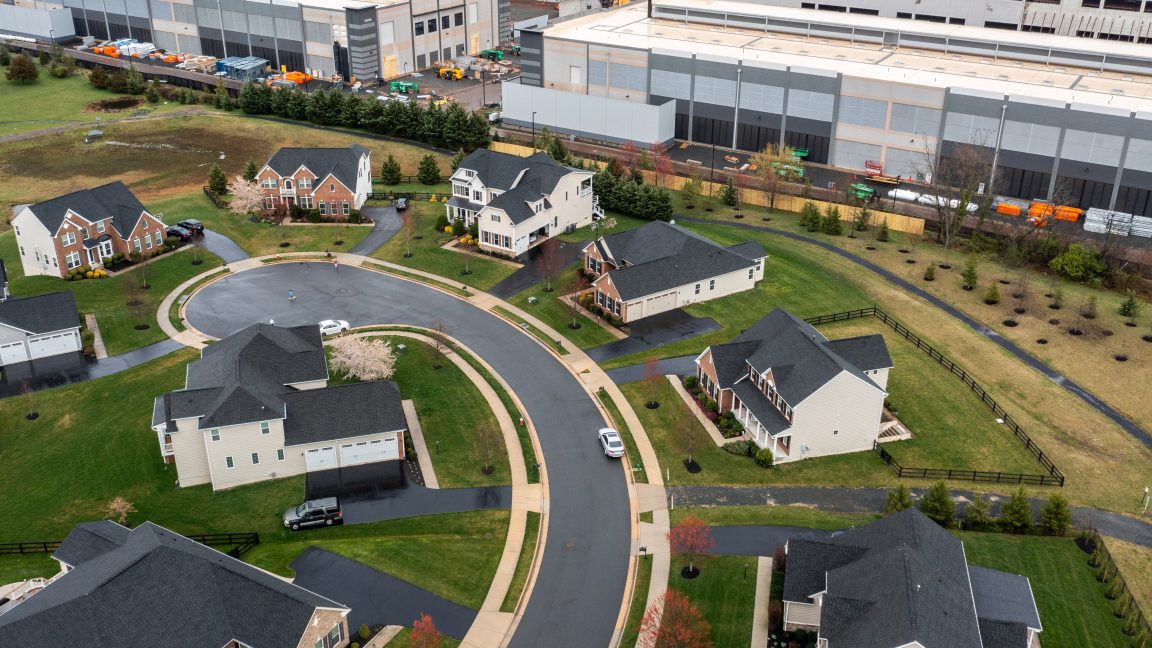
The EPA data center permits fight is moving into the least glamorous part of infrastructure politics: who gets told before a polluting project shows up nearby. The Environmental Protection Agency held a public hearing Wednesday on a proposed rule that would let states and local agencies decide how the public participates in permitting for some new minor sources of air pollution.
The change could affect facilities tied to the data center boom, including diesel generators and gas plants used to power server farms. Communities across the US have increasingly used air-permit proceedings to scrutinize or slow data center projects, according to WIRED, as developers race to build power-hungry AI infrastructure.
Vanessa Lynch, a Pennsylvania organizer with Moms Clean Air Force, told the EPA hearing that people in communities where data centers are being built want a voice in the process.
How would the EPA data center permits change affect neighbors?
Under the current EPA rule, minor-source air permits must include some public participation. If the proposal is finalized, an EPA spokesperson told WIRED, state and local agencies would decide whether, when and how long to offer public input opportunities for proposed new minor sources and modifications.
The spokesperson said the rule would not change emissions standards. That distinction matters, but it does not make the proposal procedural trivia. For residents, public notice is often the first indication that a diesel backup system, gas engine or behind-the-meter power plant is planned near homes, schools or businesses.
The Clean Air Act divides facilities that emit air pollution into major and minor sources. Major sources, which meet or exceed pollutant thresholds, face federal and state review and broader requirements before and after construction. Minor sources get less scrutiny, and the category covers a wide range of operations, from dry cleaners and auto body shops to diesel and gas engines.
Those engines are now relevant to AI infrastructure. WIRED reported that operators including xAI and Meta have used minor-source permitting paths for behind-the-meter gas plants that support data centers.
Why states matter in minor-source permits
Public participation already varies by state because enforcement and notice rules are uneven. Keri Powell, an Atlanta-based attorney at the Southern Environmental Law Center, told WIRED that Georgia’s stronger process has helped groups review permit applications and spot problems. Earlier this month, the group alerted the state utility about construction issues at a data center based on information from public air-permit filings.
Powell said she is concerned that removing the federal requirement could leave community and legal groups with little or no warning about similar projects. Sara Lips, communications director for Georgia’s Environmental Protection Division, said the agency is assessing whether the proposed federal rule would affect state public-participation requirements.
Kentucky also has stronger public participation rules for minor-source permits. Byron Gary, a senior attorney at the Kentucky Resources Council, told WIRED that state agencies have made an informal commitment to keep those rules in place if EPA changes its approach, but a future administration could revisit that stance.
Texas shows the other side of the system. WIRED reported that data center growth there has driven construction of private gas plants, many using minor pollution permits, and that lower public engagement has left some communities surprised by fossil-fuel infrastructure near their homes.
The Trump administration has made AI buildout a federal priority. An EPA spokesperson told WIRED the agency is working to make the US “the AI capital of the world.” Bloomberg has reported that data center construction spending surpassed public transportation infrastructure spending for the first time in June. Powell told WIRED she sees the timing as part of a broader push to make AI data centers easier to build.
This story draws on original reporting from Ars Technica.


