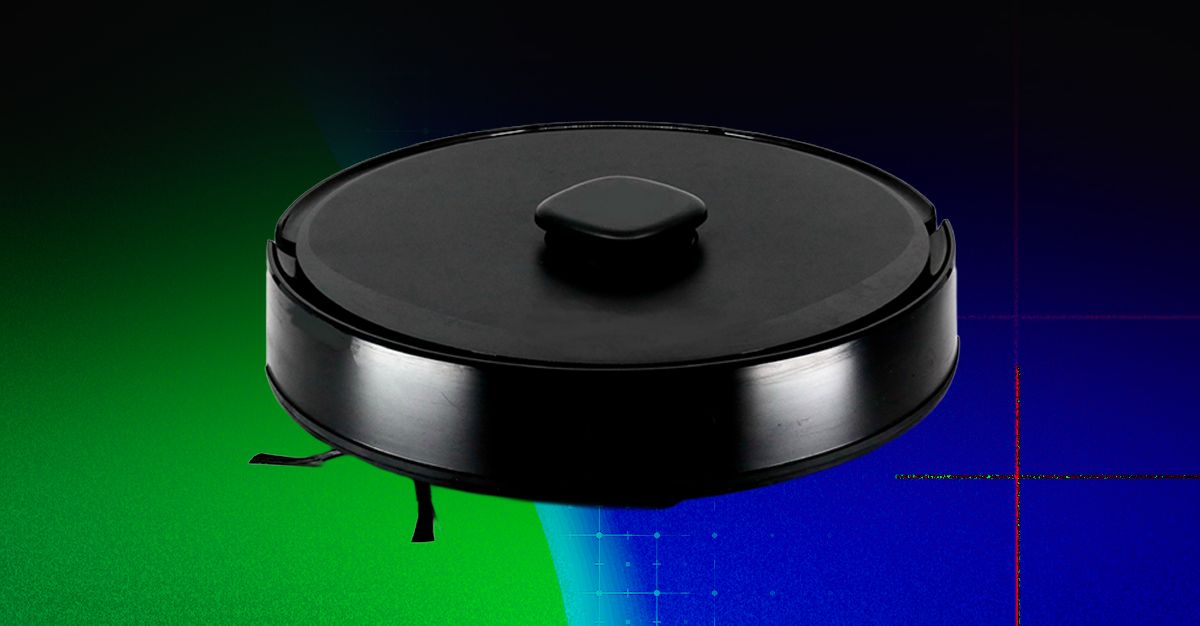
The FCC robot vacuum ban is less dramatic for today’s owners than it sounds, but it could matter a lot the next time you shop. The Federal Communications Commission this week added foreign-made “advanced mobile robots” to its Covered List, a national security roster that can prevent new products from getting approval for import and sale in the United States.
The order is aimed most plainly at humanoid and quadruped robots, which the FCC specifically named. The problem for the appliance aisle is that the government’s definition of an advanced mobile robot also catches many robot vacuums: self-moving machines with sensors, software, network connections and the ability to operate away from a human controller.
Will the FCC robot vacuum ban stop my vacuum from working?
No. Robot vacuums already on sale have already received FCC authorization, according to WIRED’s account of the rule’s immediate effect. The new restriction is aimed at future approvals, so your current cleaner should not vanish from stores overnight, lose support because of the FCC action, or stop rolling under the couch to find the dust you were pretending not to see.
The practical consequence is about future models. If a new robot vacuum is made outside the United States and falls under the covered definition, it may not receive the FCC approval required to be sold in the US. That could narrow the market over time because many well-known robot vacuum brands are not based in the United States.
What kinds of robots are covered?
The FCC’s Covered List comes from the Secure and Trusted Communications Networks Act of 2019 and identifies communications equipment and services considered an unacceptable risk to US national security or to the safety of people in the United States.
The National Security Determination cited by the FCC defines covered advanced robotic devices broadly. The listed criteria include machines that can move on the ground, avoid obstacles, use sensors to perceive their surroundings, connect through technologies including Bluetooth or Wi-Fi, and run local or remote software, firmware, AI or machine-learning model weights that guide movement and perception. The combined device and docking station weight threshold is more than 4.4 pounds.
The determination excludes connected vehicles, rail vehicles, aircraft, unmanned underwater vehicles and stationary robots. That still leaves foreign-made robot vacuums, robotic pool cleaners and automated lawn mowers looking exposed under the language of the rule.
Why did the FCC include home robots?
The National Security Determination says networked advanced robotic systems create openings for attacks that could affect both the data they collect and the way the machines physically operate. For home robots, the obvious concern is the sensor stack: cameras, mapping sensors and, in some systems, microphones in a base station for voice commands.
That does not mean every robot vacuum is livestreaming your floor plan to a villain lair. Robot vacuums commonly build maps so they can move around furniture and identify rooms or floor types. The FCC documents cited by WIRED include examples involving live cameras and a hacked humanoid robot, but WIRED said they did not give a robot-vacuum-specific example.
What have companies said?
WIRED reported that Shark and Dreame did not respond to questions about the rule, while Roborock declined to comment. Eufy said it was aware of the FCC update and, based on its current understanding, the rule does not affect the availability, use or support of products it currently sells in the United States. Eufy said those products remain available and will keep receiving updates and customer support.
US-based brands may be better positioned, but manufacturing location still matters. WIRED noted that Shark is based in the United States, though where its robot vacuums are manufactured was unclear, and pointed to Matic as another US-based robot vacuum company that could potentially avoid the restriction.
The timing is awkward for the gadget business. IFA Berlin starts September 4, a show where robot vacuum makers often announce new models. If the FCC rule blocks foreign-made devices from new approvals, some products unveiled there may not reach US buyers. Fewer competitors rarely makes a category better or cheaper, even when the category is small round computers that eat crumbs.
This story draws on original reporting from WIRED.