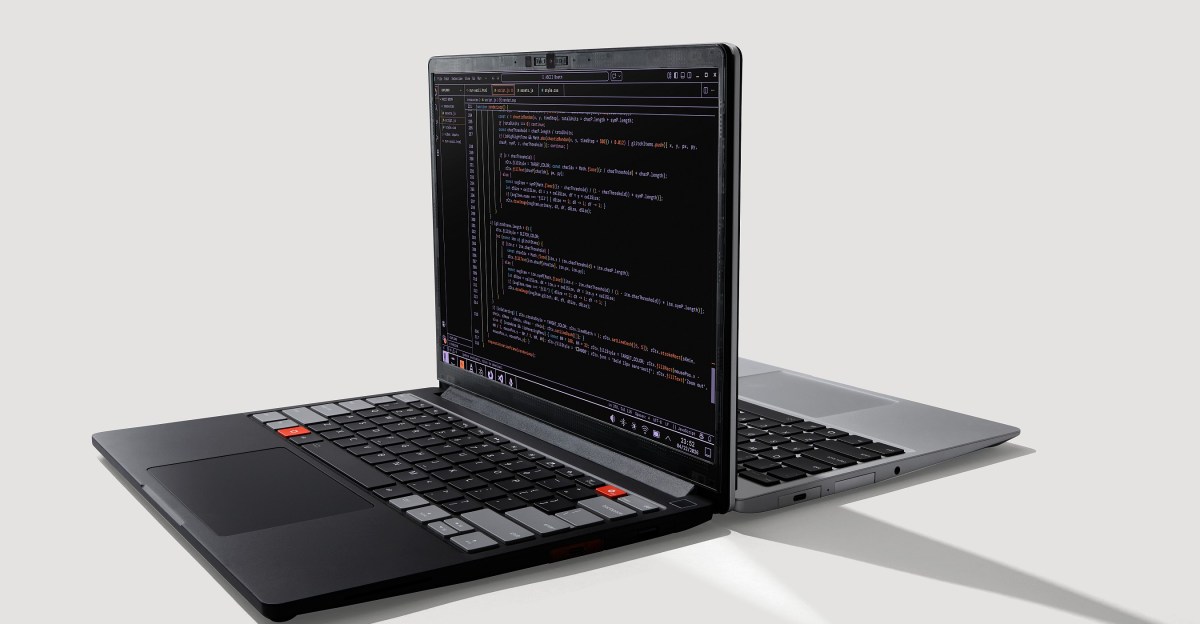
Framework is changing some Laptop 13 Pro preorder configurations because the memory it planned to use has become much more expensive, according to a company update. For affected buyers, that means the laptop they reserved may arrive with a different amount of RAM and a different price unless they cancel.
The company said its memory supplier gave it updated costs for LPCAMM2 modules that are more than twice the price of the inventory Framework had previously bought. That is a supply-chain sentence with teeth: RAM is one of the few parts of a laptop that customers notice immediately when it is missing, especially on a machine pitched at higher-end users.
Framework said it has enough LPCAMM2 modules to cover existing Laptop 13 Pro preorders in total. The problem is the mix. The company does not have the right balance of 64GB, 32GB, and 16GB modules to build every machine in the exact configuration customers ordered.
LPCAMM2 is the memory module format at issue here. Unlike soldered laptop RAM, it is a replaceable module, which fits Framework’s repair-and-upgrade pitch. That does not make the part immune to the memory market. If the supplier can only provide certain capacities at new prices, Framework has to decide whether to eat the cost, delay orders, or change what it sells. It has chosen to revise configurations and pricing.
Some customers are being told their Laptop 13 Pro orders have been updated, including changes to memory and the resulting price, according to notices discussed by customers on Reddit. Framework apologized for the changes and said customers who are unhappy with the revised configuration can cancel and receive a full refund of their deposit.
The changes also apply to new buyers. Framework’s current Laptop 13 Pro configuration page lists the prebuilt model starting at $1,599 with an Intel Core Ultra 5 325 processor, 16GB of memory, and 512GB of storage. That starting price is $100 higher than the price Framework announced earlier for the machine.
The company has pointed to broader volatility in memory pricing as the cause. That does not make the change painless for people who already put money down. A preorder is not a purchase order etched into silicon, but customers reasonably expect the machine they configured to remain the machine they get unless the seller comes back with a clear explanation and an escape hatch.
Framework is at least giving buyers that exit through deposit refunds. The more annoying lesson is that even a laptop designed around replaceable parts can still be boxed in by commodity component pricing. Modular design helps when something breaks or needs upgrading later. It does not conjure 64GB memory modules out of a tight market.
This story draws on original reporting from The Verge.