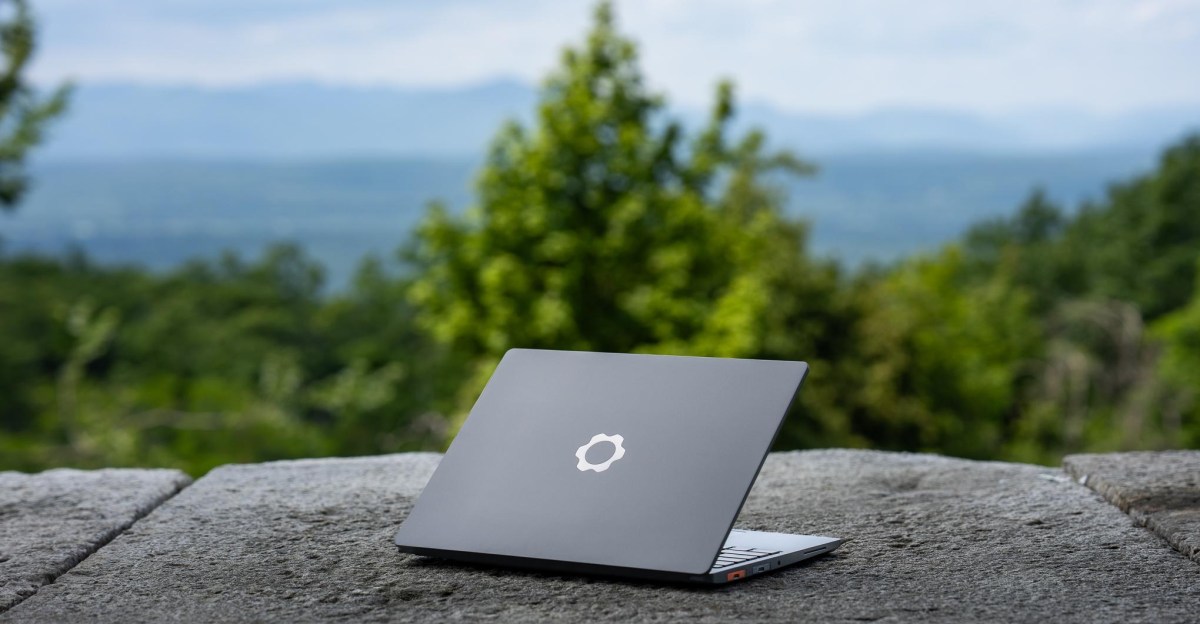
The Framework Laptop 13 Pro price has jumped by $800 before first units reach customers, according to The Verge, turning an already premium modular laptop into a $3,099 machine in the tested Windows configuration. Reviewer Antonio G. Di Benedetto said the review unit, originally expected to cost $2,299, rose after fresh memory price increases tied to what The Verge has been calling “RAMageddon.”
The review still lands as a strong endorsement of the hardware. The Verge gave the Intel Core Ultra X7 358H version an 8 out of 10, praising its repairable design, upgradeable parts, battery life, keyboard, haptic trackpad, port system and 3:2 touchscreen. The problem is the invoice, which has become the loudest spec on the sheet.
Why did the Framework Laptop 13 Pro price rise?
The Verge attributes the jump to rising RAM costs, particularly around the Laptop 13 Pro’s use of LPCAMM2 memory. LPCAMM2 is a newer removable memory format that can deliver power and performance benefits similar to soldered LPDDR5X while still letting users replace it. That is the whole Framework pitch, except newer parts tend to cost more, and right now memory is doing its best impression of a rent-controlled apartment disappearing from the market.
The reviewed prebuilt model includes a 16-core Intel Core Ultra X7 358H processor, a 12-core Intel Arc B390 integrated GPU, 32GB of RAM, a 1TB SSD and four modular USB-C ports. The Verge says each port supports Thunderbolt 4, DisplayPort 2.1 and up to 140W charging, which removes the usual guessing game around where to place Framework’s swappable expansion cards.
Di Benedetto described the all-black chassis as a major step up from the regular Laptop 13, with a rigid build, a one-piece aluminum frame, a strong keyboard and a haptic trackpad he called the best non-Apple version he has used. The 13.5-inch display is a matte 120Hz IPS panel with 2880 x 1920 resolution, 700 nits of brightness and touch support.
Performance was more mixed against Apple’s cheaper laptops. The Verge’s benchmarks show the Framework trailing an M5 MacBook Pro in several CPU and creator tests, including Premiere export, while still improving sharply over the standard Framework Laptop 13 in graphics-heavy work. Di Benedetto said Lightroom Classic work was smooth, and Windows gaming at 1080p low to medium settings was viable in games including Cyberpunk 2077, Battlefield 6 and Helldivers 2 when using Intel’s XeSS upscaling.
- The Verge measured about 10.5 hours of use from a full charge to 12 percent battery with high brightness, Chrome tabs, Slack, Signal and some music streaming.
- Framework claims up to 17 hours of active web use, though The Verge notes that figure uses 250 nits of brightness.
- The weak points in the review were the price, thin speakers and heat under load.
Thermals may matter for buyers who plan to push the machine hard. The Verge reported that the area near the hinge briefly reached 57 degrees Celsius, or 135 degrees Fahrenheit, under heavy load, though the keyboard areas used for typing and gaming were not described as scorching.
The pricing mess is not limited to one review unit. The Verge reports that Framework has raised prices across its devices and recently moved some reserved Laptop 13 Pro preorders from 32GB of RAM down to 16GB, while increasing some new preorder prices by as much as $800. For existing Framework Laptop 13 owners, the less painful route may be buying individual upgrade parts, including the Intel mainboard with LPCAMM2, touchscreen or haptic trackpad, rather than replacing the whole laptop.
This story draws on original reporting from The Verge.