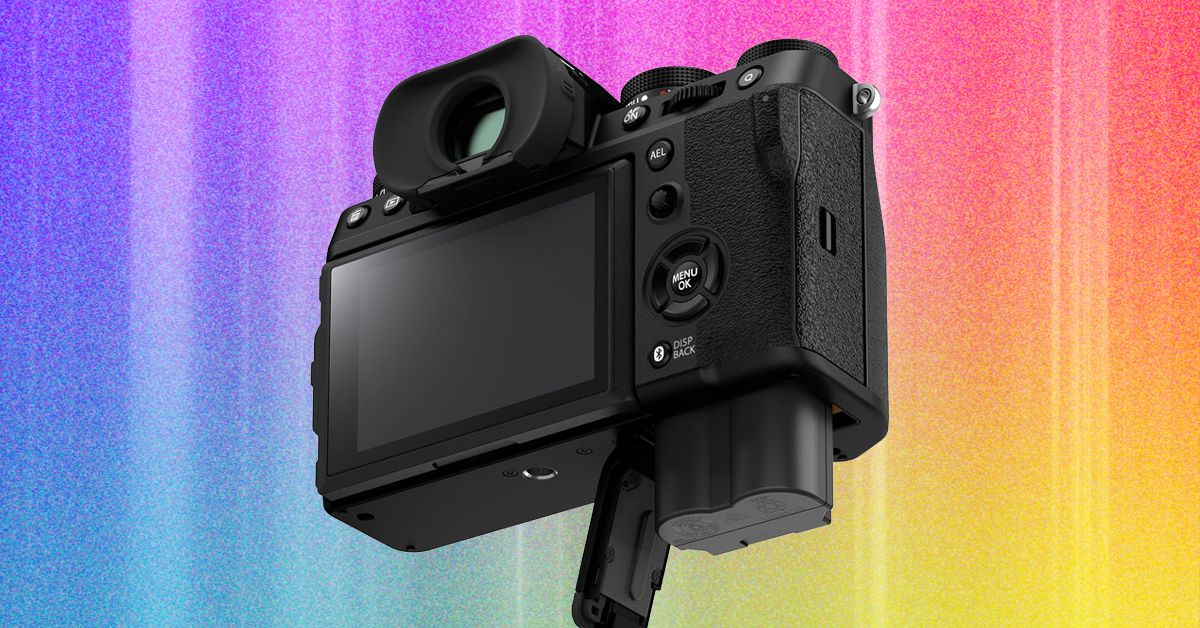
Learning how to choose a camera in 2026 starts with an inconvenient answer for anyone hoping for one winner: there is no universally best body. WIRED’s updated buying guide says the useful shortlist depends on the subjects, conditions, and output you have in mind. Modern digital cameras can make strong images; the trick is avoiding payment for features that will sit idle in a menu forever.
Start with the job. For children’s sports or other action, examine autofocus performance and continuous shooting speed in frames per second. For video, check the recording modes and frame rates you will actually use, rather than treating every cinema-flavored acronym as a personality test. WIRED flags high-frame-rate 4K recording for slow motion and rolling-shutter control as relevant video considerations. For astrophotography, sensor noise deserves more attention.
How do you choose a camera in 2026?
Choose the category before obsessing over the spec sheet. A compact has a fixed lens, meaning it is a portable, ready-to-shoot package. Amateur Photographer says that can make it simpler to use than a mirrorless or DSLR system, without automatically making it inferior in image quality. An interchangeable-lens camera gives the buyer more lens options, but that also turns the purchase into a system decision. WIRED advises beginners without a defined specialty to consider generalist entry-level bodies and reserve more of the budget for good lenses.
Mirrorless and DSLR are also category choices, not a shortcut to a verdict. Handling matters: a camera that is uncomfortable to hold is a poor long-term bet. Parker Photographic recommends trying a body before investing in multiple lenses, since changing systems later can be costly.
Sensors and megapixels: what do they actually mean?
The sensor is the electronic component that records color and intensity from light passing through the lens aperture, according to Dave Morrow Photography. Sensor size and pixel count are separate specifications. A megapixel count describes resolution, or how many pixel samples make up an image; it is not a standalone measure of image quality. Treat both as part of a wider decision involving lens choice, shooting conditions, and intended output.
Buyers will encounter full-frame, APS-C, and Micro Four Thirds sensor formats. Creator Brendan Williams identifies them as common dedicated-camera sizes, but the practical question is what the format changes for the kit you can carry and buy, rather than which label wins an internet argument. With a smaller sensor, a lens designed for full frame yields a narrower field of view, often called crop factor.
The terms worth knowing before you pay
- ISO controls light sensitivity. Raising it can help in dim conditions, but WIRED says it also increases image noise; the lowest setting, often called base ISO, has the least noise.
- Aperture is the lens opening. A wider aperture lets in more light and reduces depth of field, leaving less of the scene in focus.
- Shutter speed is how long the sensor receives light. Longer exposures brighten an image but can blur moving subjects.
- Exposure is the resulting brightness, set by balancing ISO, aperture, and shutter speed. Exposure compensation adjusts that automatic choice brighter or darker in stops.
- White balance adjusts for the color of the light. Focal length affects field of view, zoom amount, and distortion. Aspect ratio is the image’s width-to-height proportion and can affect cropping for prints.
- RAW files require compatible processing software, but WIRED says they allow more extensive editing than JPEGs. Depth of field describes how much of the image appears in focus.
The durable buying rule is mercifully dull: match features to photographs you plan to make, and spend time learning light, composition, and timing. A camera cannot rescue a purchase made for a feature you do not need.
This story draws on original reporting from WIRED.


