Hyundai Motor Company is pushing back on reports that its labor fight in South Korea is being driven by the company’s plan to put humanoid robots into factory work by 2028. The distinction matters because the automaker is trying to keep a conventional wage dispute from becoming an early test case for how unions bargain over AI and robots on the shop floor.
In a statement shared with Ars Technica, Hyundai said the current discussions with the Hyundai Motor union are centered on compensation issues, including wage increases, bonuses and raising the retirement age. The company said possible use of robots in Korean plants is not being negotiated with the union right now.
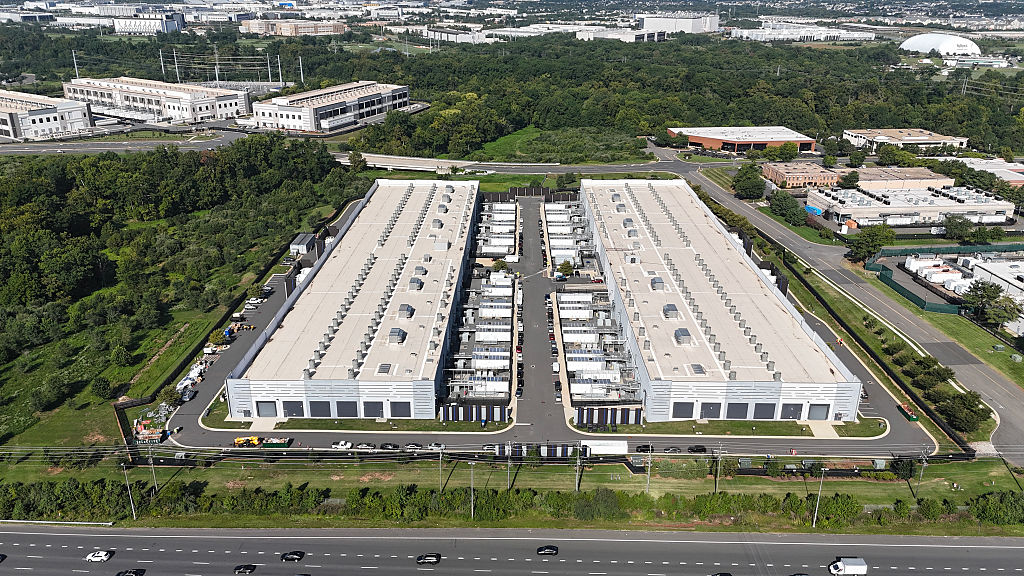
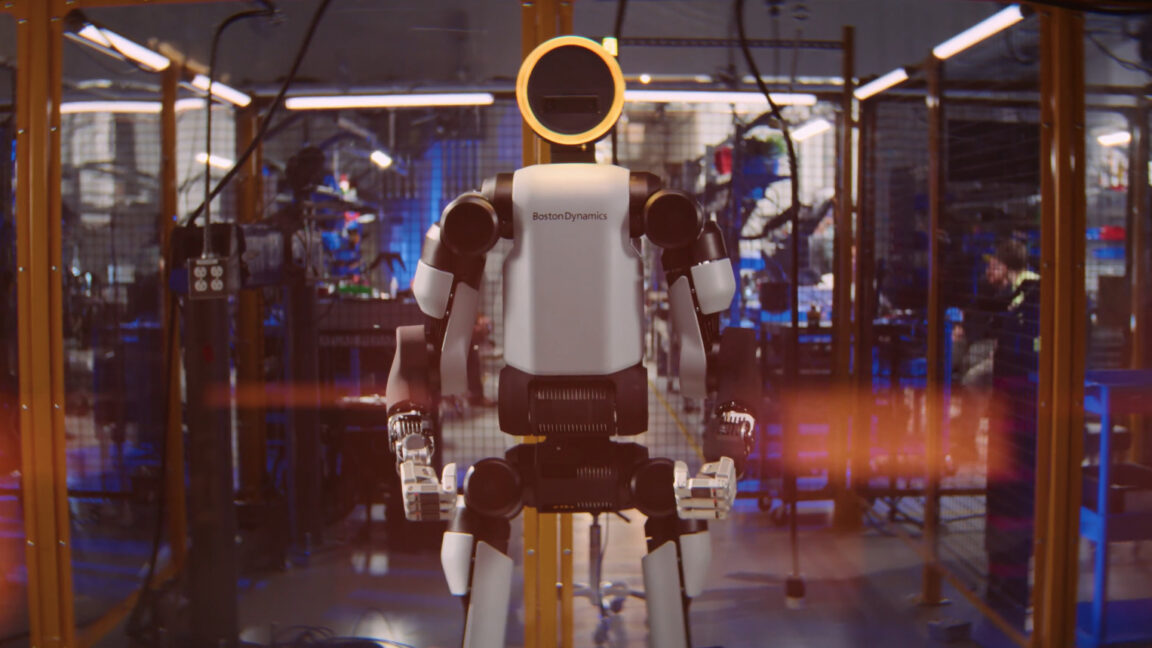
Hyundai also said its announced robot deployment is limited, for now, to Metaplant America, the company’s electric vehicle factory near Savannah, Georgia. That site is slated to begin using Atlas humanoid robots in 2028. Atlas was developed by Boston Dynamics, the US robotics company Hyundai now owns outright.
The company said any later decision to place Atlas robots in other factories would depend on local operational needs and would involve employees and workforce representatives at those sites. That leaves plenty of room for future fights, even if Hyundai’s position is that this is not the present one.
Union concern did not come from nowhere
The Wall Street Journal has described the Hyundai Motor union as seeking unusual job protections tied to robots and AI, and reported that some compensation demands are meant to cushion workers against possible reductions in hours from automation. Hyundai disputes that robot deployment is part of the current labor-management talks.
The union had already put Hyundai on notice earlier this year. After Hyundai showed the production model of Atlas at the Consumer Electronics Show in Las Vegas in January, the union told management in an internal letter reported by Reuters that no robot using new technology would enter the workplace without a labor-management agreement.
The Korea Times has reported that Hyundai management and the union are reviewing a proposed wage reform intended to give factory workers steadier income after the planned robot rollout. According to the newspaper, the proposal would shift overtime and night-shift allowances from hourly pay into fixed wages. Experts cited by The Korea Times warned that such a change could hurt productivity.
The Hyundai Motor union is part of the Korean Metal Workers’ Union. Ars Technica said it contacted both the Korean Metal Workers’ Union and the Korean Confederation of Trade Unions for comment on the strike and negotiations.
South Korea’s labor law raises the stakes
The dispute sits inside a broader shift in South Korean labor rules. Tech Policy Press reported that union groups have increasingly sought talks with management since the country’s “yellow envelope law” took effect in March 2026. The law expands rights for subcontracted workers and restricts employers’ ability to seek damages from unions over strikes.
The Korea Times has reported that the law could slow robot adoption because management decisions that substantially affect working conditions can fall under collective bargaining and collective action. Labor experts told the paper that large automation projects involving robots may therefore need negotiation with human workers.
The Korean Confederation of Trade Unions also formed a consultative body with the South Korean government in February 2026 to discuss labor issues including AI-based automation and robotics, according to The Korea Times.
Hyundai’s Georgia Metaplant workers, the first scheduled to work alongside Atlas robots, are not unionized. The United Auto Workers has been trying to organize the site. At the UAW Constitutional Convention in Detroit in June 2026, UAW President Shawn Fain warned about humanoid robotics and broad automation threatening jobs and pay.
The technical bet remains unproven. Companies are pitching humanoid robots as flexible factory workers, but whether machines such as Atlas can operate as reliable general-purpose labor at scale is still a claim, not a settled result.
This story draws on original reporting from Ars Technica.