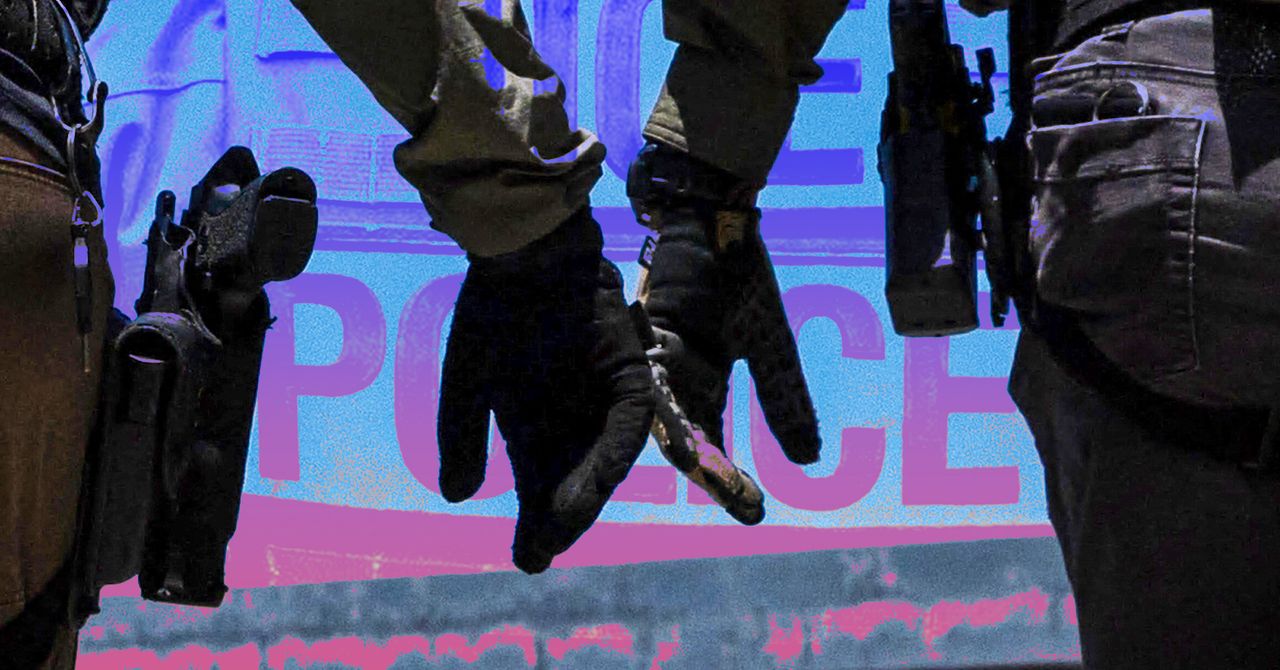
ICE shock gloves how work starts with a fairly grimly direct answer: the planned devices deliver electrical pulses through pads in an officer’s palm and fingers when those pads touch exposed skin. The Department of Homeland Security has previewed a potential no-bid purchase of Compliant Technologies’ CTG 5 G.L.O.V.E. devices for Immigration and Customs Enforcement personnel, but this is a procurement plan, not confirmation that agents are already carrying them.
CNN reported that DHS listed an estimated purchase range of $10 million to $20 million, with delivery projected by March 31, 2027. The planning notice identifies personnel in Homeland Security Investigations and Enforcement Removal Operations as users. It does not say how many units DHS would buy, their unit price, or when field use could begin.
How do ICE shock gloves work?
G.L.O.V.E. means Generated Low Output Voltage Emitter. DHS calls it a Conductive Distraction and De-escalation Device. According to reporting by Wired and manufacturer materials cited by CNN, an officer holds a wrist switch for about one second to enable electrical mode. A rechargeable battery and microprocessor in the cuff power conductive pads on the palm and underside of the fingers.
When an activated pad contacts a person’s skin, it sends pulses across the surface at that point of contact. The BBC reported a rate of up to 30 pulses a second. Wired described the claimed mechanism as stimulation of peripheral sensory nerves, producing localized pain and disrupting coordinated movement. That differs from a probe-fired Taser as described by the BBC: the glove requires direct contact and does not complete an electrical circuit inside the body.
The reported maximum is 380 volts. Manuals cited by Wired list minimum settings of 210 volts for Gen 3 and Gen 4 models and 324 volts for Gen 5. Voltage alone does not establish a device’s medical risk or real-world effect. Compliant Technologies’ claims that the gloves secure compliance in under three seconds and do not cause burns, marks, scars, or injury are manufacturer claims, not independent clinical findings in the available reporting.
What limits do the G.L.O.V.E. manuals set?
The device needs exposed skin. The manufacturer materials say it will not work through dry clothes or thick hair, though Wired reported it may work through thin wet clothing. Immersion in water may make it inoperable.
- No more than two G.L.O.V.E. units should be used on one person at once, according to the manuals.
- Continuous use should generally stay at 15 seconds or less. CNN reported an exception in the manual for danger to officers or the public, allowing use until control or compliance, or escalation to a higher-force option.
- Operators are directed to target arms and legs and avoid the head, face, throat, chest, and groin.
- The manuals bar use for verbal defiance, punishment, or torture and caution against use on pregnant people, elderly people, small children, and severely disabled people.
Gen 4 and Gen 5 models log activation events, including date, time, and skin-contact duration, Wired reported. Gen 4 saves the data to a removable microSD card; Gen 5 uses internal memory accessed through USB-C. The manuals also require certification and recertification every two years. Logging is not the same thing as public accountability, and the cited DHS notice and reporting do not specify the final training, reporting, or use-of-force rules.
DHS told the BBC it was assessing equipment needed to safely arrest and remove people. Civil-rights groups dispute the agency’s framing. The ACLU warned that a concealed way to inflict pain could increase public harm and reduce accountability. The proposed purchase leaves the central operational questions, including training, disclosure, oversight, and documented safety evidence, unanswered.
This story draws on original reporting from WIRED.