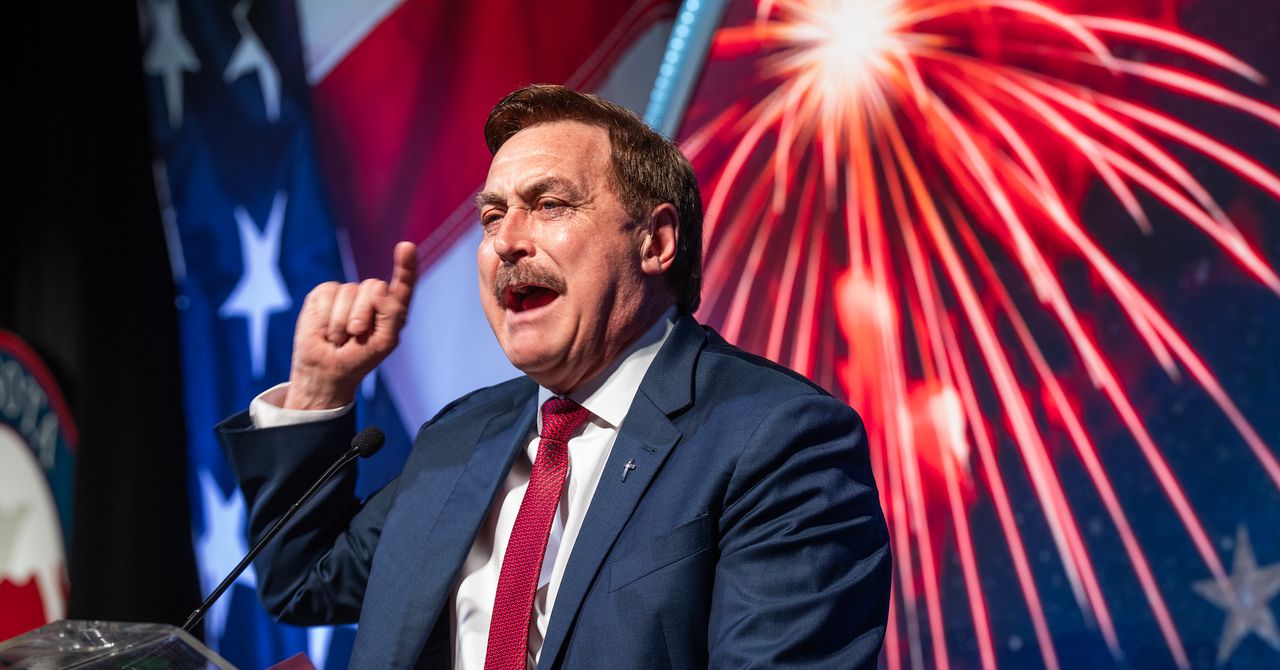
The Mike Lindell governor campaign in Minnesota now has Donald Trump’s endorsement and a very public rejection from the state Republican Party, a split that says plenty about who controls GOP candidate selection when Trump decides to weigh in.
Trump backed Lindell on Truth Social, writing that the pillow businessman would be “SPECTACULAR” and later saying Lindell “would be a GREAT Governor.” Trump also praised him at a fundraiser over the weekend, according to video posted online by Project True North.
Lindell has no record in elected office. He became a national political figure after the 2020 election by financing and promoting false claims that Trump’s loss was caused by fraud. The New York Times reported that Lindell said by 2022 he had spent $40 million of his own money on that effort.
Polling cited by KSTP and SurveyUSA shows Lindell leading the Republican primary field ahead of the August 11 vote. That has not made his candidacy any more comfortable for Minnesota GOP officials, who had already seen party delegates back former health care executive Kendall Qualls in May. Lindell finished third in that delegate vote, behind Qualls and Minnesota House speaker Lisa Demuth, according to the Minnesota Reformer.
Why is the Minnesota GOP opposing Mike Lindell?
Minnesota Republican Party chairman Alex Plechash said in a statement posted by the party that leaders were “surprised” by Trump’s endorsement. Plechash argued Lindell had left Minnesota for Texas during Gov. Tim Walz’s tenure and said the party had concerns about Lindell’s taxes, finances, running mate and electability.
The party’s statement pointed to public records showing delinquent property taxes. The Minnesota Reformer reported Lindell owed nearly $48,000 in property taxes on his Tonka Bay home; Lindell says he has since paid the debt. The Star Tribune also reported Lindell was not registered to vote in Minnesota until this week.
The state party told WIRED that Lindell’s campaign lost access to certain party resources because it would not honor the delegate endorsement. The party said that rule applied to every campaign that declined to abide by the endorsement process.
Lindell told WIRED he believes the party has worked against him by denying him delegate lists and keeping him out of debates and forums. He said he could only speculate about the reason, suggesting state Republicans may fear his friendship with Trump or may believe they can win without him.
Blois Olson, a Minnesota political analyst, told WIRED the party is trying to oppose Lindell without provoking Trump or Trump’s most committed Minnesota supporters. Olson said Republicans see Lindell as a weak November candidate against likely Democratic nominee Amy Klobuchar and worry that a poor top-of-ticket showing could hurt Republicans further down the ballot.
Lindell’s legal exposure is another piece of the Republican discomfort. Dominion Voting Systems and Smartmatic sued him over claims about voting machines. The Dominion case ended in a settlement in which both sides paid their own fees, while Smartmatic’s case is still pending. Politico reported that Lindell’s legal bills reached into the millions.
WIRED reported that the White House did not respond to a request for comment about Plechash’s criticism. For now, Trump has given Lindell the national signal that usually matters in Republican primaries. Minnesota GOP leaders are betting, loudly and awkwardly, that it may cost them in November.
This story draws on original reporting from WIRED.