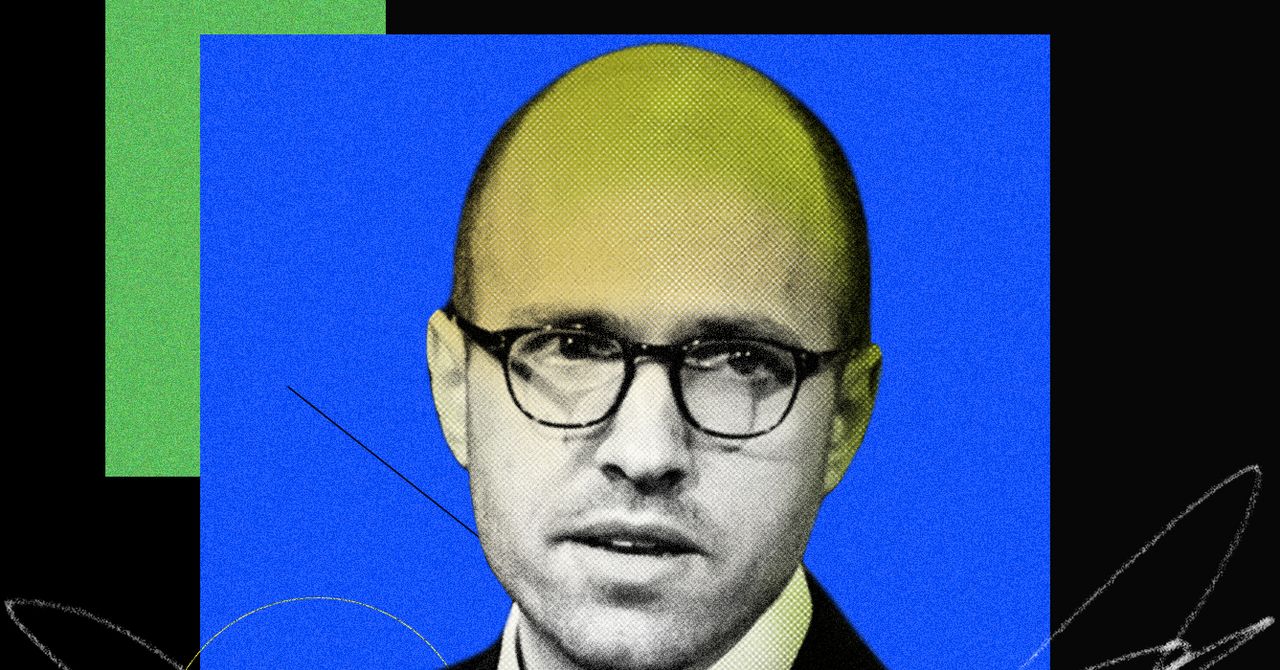
The New York Times AI lawsuit against OpenAI and Microsoft has already become a legal fight costing upward of $20 million, publisher A.G. Sulzberger told WIRED, framing the expense as a defense of journalism rather than a normal corporate dispute over licensing.
Sulzberger, who has led the Times as publisher for roughly a decade, said the copyright case is one piece of a larger pressure campaign facing news organizations: AI companies changing how people find information, and the Trump administration using government power against reporters. The Times’ business is unusually strong by media standards, with more than 13 million subscribers, but Sulzberger argued that the underlying work of reporting is under threat.
The Times sued OpenAI and Microsoft nearly three years ago, alleging that the companies used its journalism without permission to train AI models. WIRED reported that motions are still being filed over discovery requests in the case. Sulzberger said the paper’s willingness to spend heavily on the lawsuit reflects a broader view that rights do not mean much unless publishers are prepared to enforce them.
Why is the New York Times suing OpenAI and Microsoft?
The Times alleges that OpenAI and Microsoft infringed its copyrights by training AI systems on Times journalism without authorization. The practical issue is straightforward: generative AI systems are built by ingesting large bodies of text, and the Times says its reporting was part of that input without a deal that compensated or protected the publisher.
Sulzberger also tied the lawsuit to a distribution problem. If AI tools answer user questions directly using information gathered from reporting, readers may see less reason to visit the news organizations that paid to produce that reporting. That is the part many AI boosters prefer to wave past with a demo and a grin.
What did Sulzberger say about the Trump administration?
Sulzberger sharply criticized Justice Department subpoenas issued to several Times journalists over their reporting on a Qatar-gifted jet connected to Air Force One. According to WIRED’s interview, the Justice Department also sought records from third-party phone providers, including communications involving some journalists and their family members.
The disputed reporting concerned questions about whether the jet was fit to carry the president. Sulzberger said Times reporters found that on an early overseas trip to Turkey, there were concerns about whether the plane could respond adequately to a threat, and that the president returned on the original Air Force One. He said the reporting was later confirmed after an initial denial.
Sulzberger described the subpoenas as highly unusual and compared them with a prior episode during the first Trump administration, when Justice Department officials secretly seized some Times reporter records. He also pointed to a recent Washington Post case in which, he said, a reporter’s home was raided and devices were taken.
He said some reporters at other organizations now avoid breaking sensitive stories because they fear their editors will pull them under political pressure. His message to Times journalists, he said, was that the institution would back them.
How is the Times using AI in journalism?
Sulzberger said the Times is experimenting with AI, but mainly as a reporting aid rather than a replacement for writing, editing or judgment. He criticized newsrooms that handed article production to AI systems, saying predictable errors followed, including fabricated journalists.
His preferred use case is pattern detection. In large data sets, AI can help identify clusters, anomalies or likely areas for a reporter to inspect. He cited campaign finance work as one example where finding changes in donor patterns can matter.
He also described AI as a filter in visual investigations. One Times reporter used AI-supported analysis while examining bomb craters in the Israel-Gaza conflict, Sulzberger said. The system narrowed millions of images to thousands, but the reporter still reviewed the resulting images before relying on the findings. That is less robot reporter than industrial-strength triage, with a human still on the hook for the conclusion.
This story draws on original reporting from WIRED.


