Nintendo’s next move for Splatoon is to take the ink shooter out of its usual competitive lane and put it into the loot treadmill. Splatoon Raiders changes the series from a primarily team-based online shooter into a game built around missions, dungeon runs, gear, and skill progression, according to Andrew Webster’s review for The Verge.
That shift matters because Splatoon has long been Nintendo’s least Nintendo-looking bet on a very Nintendo idea: take a genre associated with military spectacle and twitchy online competition, then rebuild it around color, movement, readable objectives, and skate-punk squid kids. Webster describes the original series as Nintendo’s unusual entry into the competitive shooter space, one that avoided the tone of franchises such as Call of Duty and Battlefield.
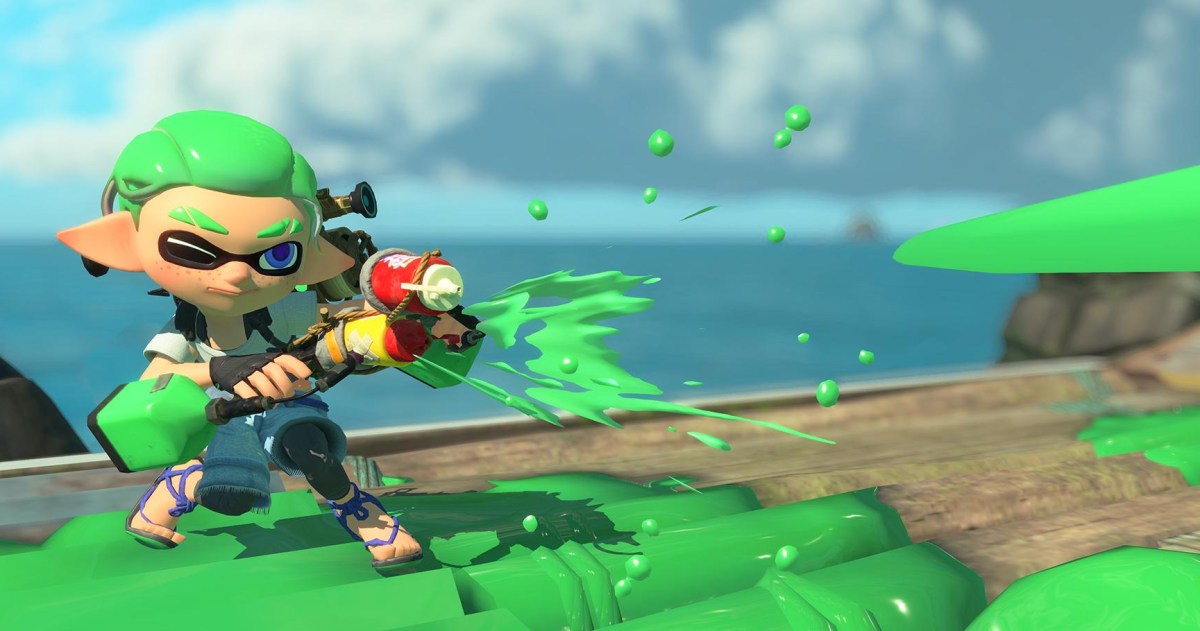
The premise has always been a little ridiculous, in the best product-planning-meeting sense. Players are squid-like characters flinging ink rather than bullets, and the combat looks closer to paintball than battlefield cosplay. Across three main entries, Webster says, Nintendo refined that formula and helped bring competitive shooters to players who may not have been interested in the usual genre machinery.
How the new loop works
Splatoon Raiders borrows from the looter shooter structure associated with games such as Destiny and Borderlands, Webster writes. In that model, the player completes missions and explores dungeon-like areas to earn equipment and abilities. Better rewards then support tougher missions, which offer more reasons to keep playing.
The loop depends on repetition. Players return to levels in search of stronger or more interesting gear, so the game has to make the act of replaying feel worthwhile. Webster points to three pieces that need to hold up: weapons must be fun to use, spaces must be worth exploring, and the reward system must give players a reason to try new loadouts instead of grinding out of obligation. His assessment is that Splatoon is well suited to that work.
The most practical change is the move away from the franchise’s usual dependence on competitive online play. Webster says Raiders can be played solo, which gives Nintendo another way to make shooter design less hostile to players who do not want their evening entertainment to involve being yelled at by strangers with optimized builds and too much free time.
Nintendo has not abandoned the shooter. It is changing the pressure around it. If Webster’s reading holds, Splatoon Raiders uses familiar loot-game machinery while keeping the series’ softer, more legible approach to action intact.
This story draws on original reporting from The Verge.