The Pentagon created the Space Development Agency in 2019 to buy and launch military satellites faster than the usual defense procurement machine could tolerate. Seven years later, the agency is only now putting its first operational batches in orbit, while the Defense Department prepares to fold it back into the US Space Force’s acquisition structure.
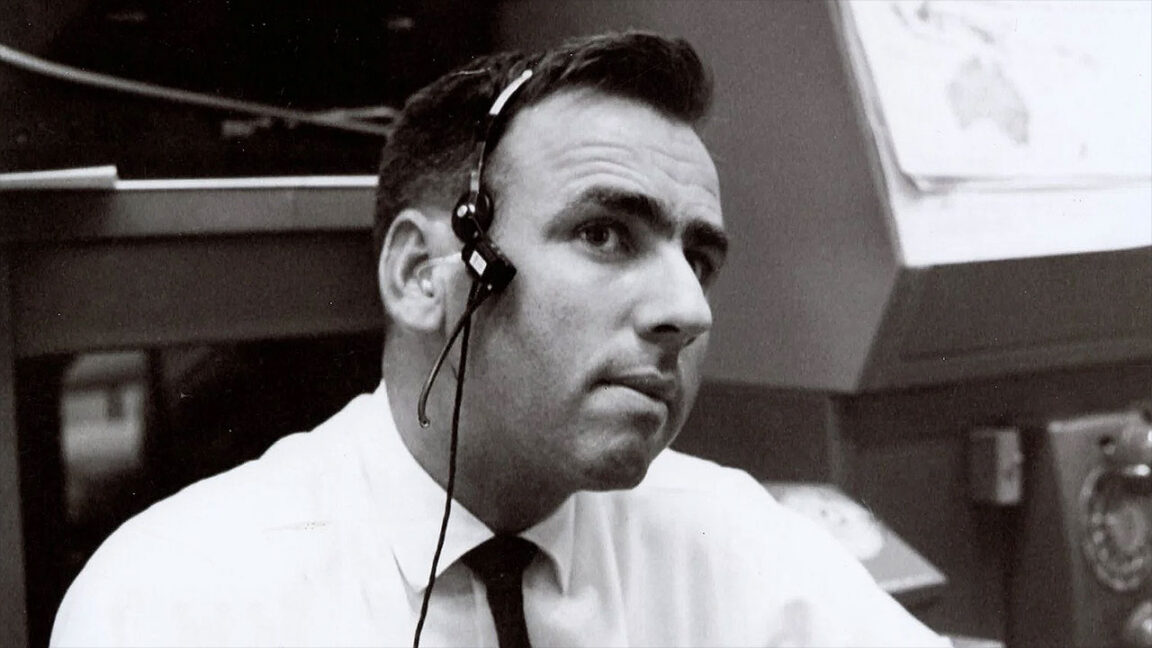
The move is not a surprise inside Washington. Draft versions of this year’s National Defense Authorization Act in both the House and Senate support closing the semi-autonomous agency. Much of its work would continue under Space Force officials, including Gurpartap “GP” Sandhoo, SDA’s director and the Space Force portfolio acquisition executive for missile warning and tracking.
SDA’s core project is the Proliferated Warfighter Space Architecture, a planned network of hundreds of low-Earth-orbit satellites for missile warning, tracking, targeting support, and data relay. The Pentagon’s older missile-warning spacecraft sit much higher in geosynchronous orbit. SDA’s premise is that many cheaper satellites closer to Earth can give commanders better coverage and more resilient service than a small number of expensive high-orbit spacecraft.
That premise has run into the usual enemy of ambitious space architecture: hardware that has to work outside PowerPoint.
Launches resume after a nine-month pause
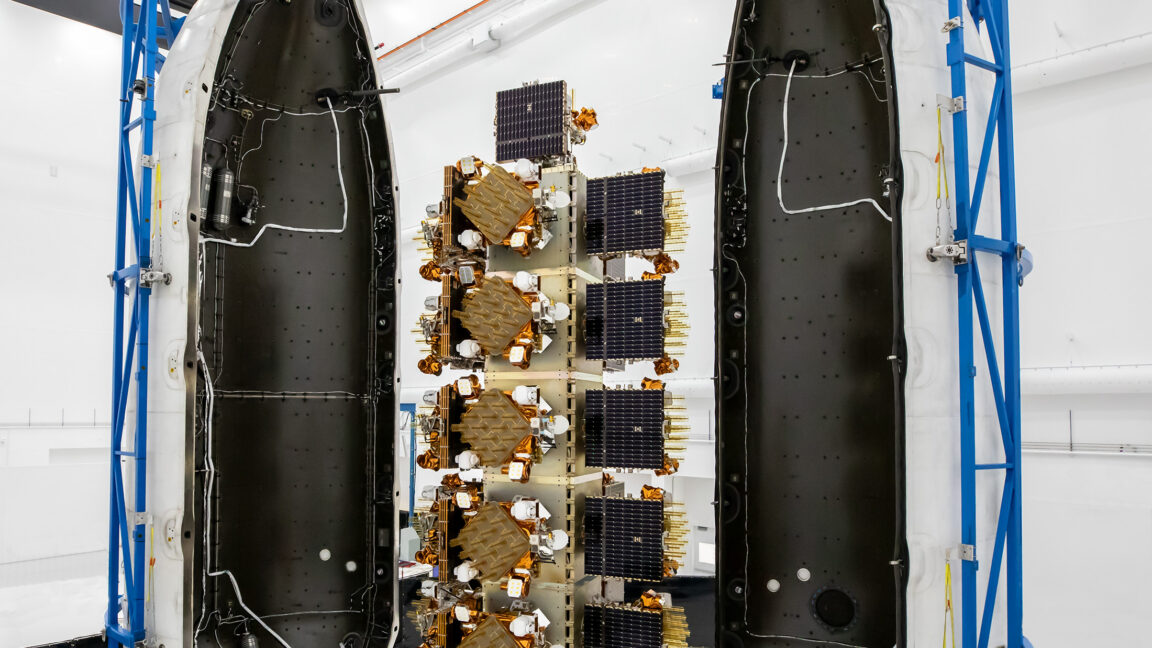
SDA launched another group of Tranche 1 data relay satellites Thursday on a SpaceX Falcon 9 from Vandenberg Space Force Base in California, bringing the number of Tranche 1 transport satellites launched to 63, according to the agency. The transport satellites are supposed to move missile-tracking data through inter-satellite laser links and down to users on the ground.
The launch restarted deployments after a nine-month standdown. The previous two Tranche 1 launches, in September and October last year, reached orbit, but teams had trouble activating and commissioning satellites built by York Space Systems and Lockheed Martin.
Sandhoo told reporters before Thursday’s launch that controllers did not have enough ground station coverage after the earlier missions. He also said some satellites had thermal-control and propulsion issues while raising their orbits to more than 600 miles, or about 1,000 kilometers. Sandhoo said the radiation environment at that altitude has made orbit raising uneven.
SDA and its contractors paused to fix known problems, Sandhoo said, adding that he expected the latest launch to go more smoothly. He said he remains optimistic that most of the already launched satellites will eventually be declared operational, though later than planned.
The network is still incomplete
Tranche 1 is planned to include 154 operational satellites: 126 transport satellites and 28 missile-tracking satellites. Seven more launches are needed to finish it, with additional spacecraft from York, Lockheed Martin, Northrop Grumman, and L3Harris. None of the Tranche 1 tracking satellites have launched yet.
Sandhoo said the next launches remain limited by the availability of optical communication terminals, the laser transmitters and receivers that make the mesh network work. SDA declined to give dates for the next missions and now says Tranche 1 will provide its first operational military capability beginning in 2027.
The agency had once aimed for roughly monthly launches. Sandhoo said the priority now is launching satellites when they are ready, then getting them operational quickly once in orbit.
The delay has practical consequences. Sandhoo said he wished the system were already supporting US forces facing missile threats in the Middle East, where he said missiles are being launched at the joint force every day during Operation Epic Fury.
Tranche 2 is scheduled to start launching next year with more than 250 tracking and transport satellites from six manufacturers. SDA has also ordered 108 satellites for the Tranche 3 tracking layer, planned to begin launching in 2028.
The transport layer will stop after Tranche 3 and be replaced by the Space Force’s Space Data Network. The Space Force said in May that it chose SpaceX to build that network’s backbone using technology derived from Starlink. Sandhoo said SDA’s transport satellites will be incorporated into that Space Data Network alongside SpaceX’s spacecraft.
The agency was built to outrun bureaucracy. Its record now looks more mixed: faster contracting, more suppliers, and a more modern architecture, but also delayed launches, stubborn spacecraft problems, and a mission being pulled back into the larger Space Force machine before its first constellation is complete.
This story draws on original reporting from Ars Technica.