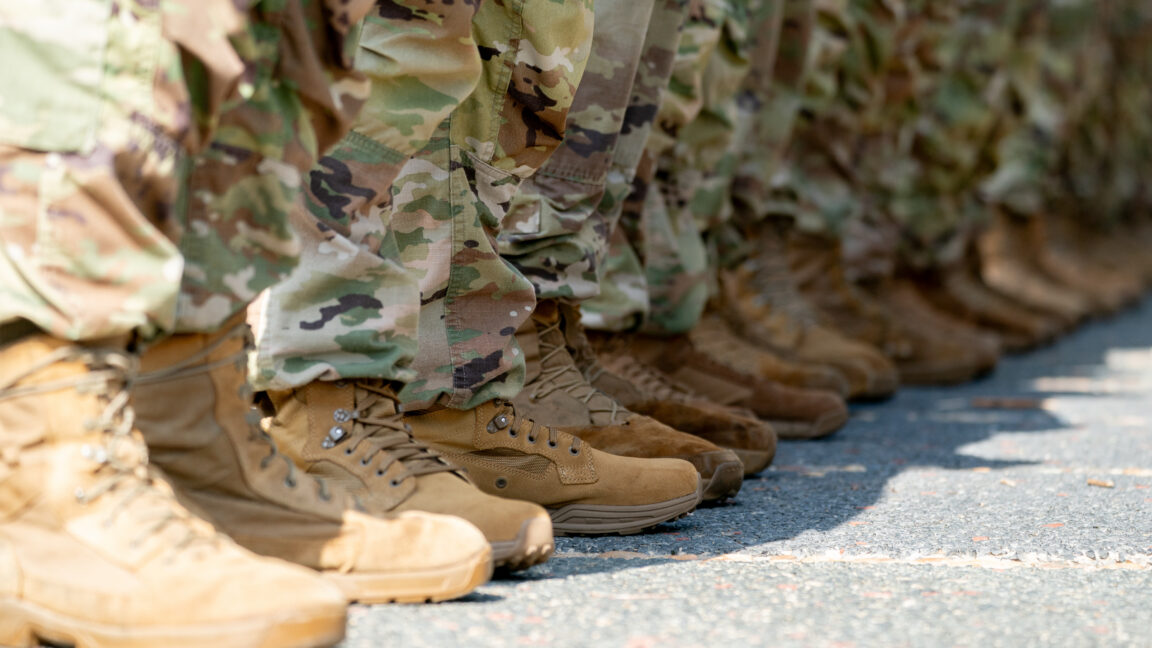
Defense Secretary Pete Hegseth has ordered mandatory testosterone-deficiency screening for active-duty and reserve service members age 30 and older, adding the blood test to annual health assessments. Personnel under 30 may request the screening, according to the Defense Department announcement.
Hegseth framed the policy in a social media video as a way to improve performance, resilience and long-term health. He said treatment would not be mandatory and described the goal as restoring and optimizing service members’ capabilities rather than artificial enhancement.
Endocrinologists are not buying the tidy version. The Endocrine Society said after the announcement that evidence does not support population-wide testosterone screening for asymptomatic men. Bradley Anawalt, chief of medicine at the University of Washington Medical Center and a specialist in endocrinology and men’s health, told Ars Technica he worries the program will produce unnecessary workups, mistaken diagnoses and inappropriate testosterone prescriptions.
Low testosterone is not one thing
Male hypogonadism, the medical term for insufficient testosterone production, can come from clear disease. Anawalt cited Klinefelter syndrome, in which a male has an extra X chromosome, and pituitary gland disorders, including damage, dysfunction or tumors. Those cases can often be confirmed with genetic testing or additional hormone tests, such as luteinizing hormone and follicle-stimulating hormone.
But Anawalt said those conditions are uncommon, affecting at most about 1 percent of men. Many other factors can push testosterone readings down, including cancer treatment, corticosteroids, opioids, anabolic steroid use, obesity, HIV, surgery, trauma, stress, lack of sleep and aging. In some of those cases, testosterone replacement is not the first answer. If sleep deprivation is driving the result, rest is a better target than a prescription.
The symptoms do not make mass screening easier. True hypogonadism can cause low libido, erectile dysfunction, reduced sperm count, breast enlargement or tenderness, low energy, loss of muscle mass, testicular shrinkage, mood changes and hot flashes. Over time it can also reduce body hair, bone density and red blood cell counts. Anawalt said vague complaints such as fatigue, poor concentration or weaker erections are common and not specific to testosterone deficiency.
The test is fiddly, because biology is annoying
Anawalt said testosterone testing can be unreliable unless laboratories use assays certified by the Centers for Disease Control and Prevention. The CDC now certifies some testosterone blood tests for accuracy and reliability, but not every lab uses them. Reference ranges also vary. The Endocrine Society says a commonly used clinical threshold is around 300 ng/dL, though some clinicians use lower cutoffs in the 260s.
Timing matters too. Testosterone fluctuates and is usually highest in the morning, so specialists recommend fasting morning tests and repeat testing before diagnosing a persistent deficiency. Standard tests measure total testosterone, while Anawalt said the unbound “free” testosterone appears to be the biologically active form. Men with higher weight or diabetes may show low total testosterone while free testosterone remains normal because of changes in sex hormone binding globulin.
Treatment has tradeoffs
For patients with clear hypogonadism, testosterone replacement therapy can restore bone density, muscle mass, strength and libido, Anawalt said. He gave the example of a man whose testicles were removed because of cancer. In that setting, treatment can bring testosterone back into the normal range and may address some health risks tied to severe deficiency.
For men with normal testosterone, Anawalt said standard replacement doses should not improve performance. He also said many men with mildly low readings, such as a 50-year-old soldier only slightly below range, are unlikely to see substantial benefit.
The risks are not theoretical. Testosterone replacement can suppress sperm production, sometimes for months after stopping treatment. Other possible effects include high red blood cell counts, acne, prostate enlargement and sleep apnea. The Endocrine Society also pointed to data from the TRAVERSE trial, which found conventional testosterone therapy did not further increase cardiovascular risk in middle-aged and older men with hypogonadism who had cardiovascular disease or high risk, but did show a possible increased risk of pulmonary embolism.
A 1996 randomized trial found that testosterone doses at least six times higher than standard replacement improved strength in healthy men when paired with strength training. The study lasted three months, and its authors warned that anabolic-androgenic steroid use could have serious effects on the cardiovascular system, prostate, lipid metabolism and insulin sensitivity.
The Endocrine Society says the Food and Drug Administration has not approved testosterone boosting to improve strength, athletic performance, appearance or aging-related problems. Anawalt told Ars Technica he sees the military policy as “one giant experiment without consent,” and said the better move is caution and study rather than treating testosterone as a shortcut.
This story draws on original reporting from Ars Technica.