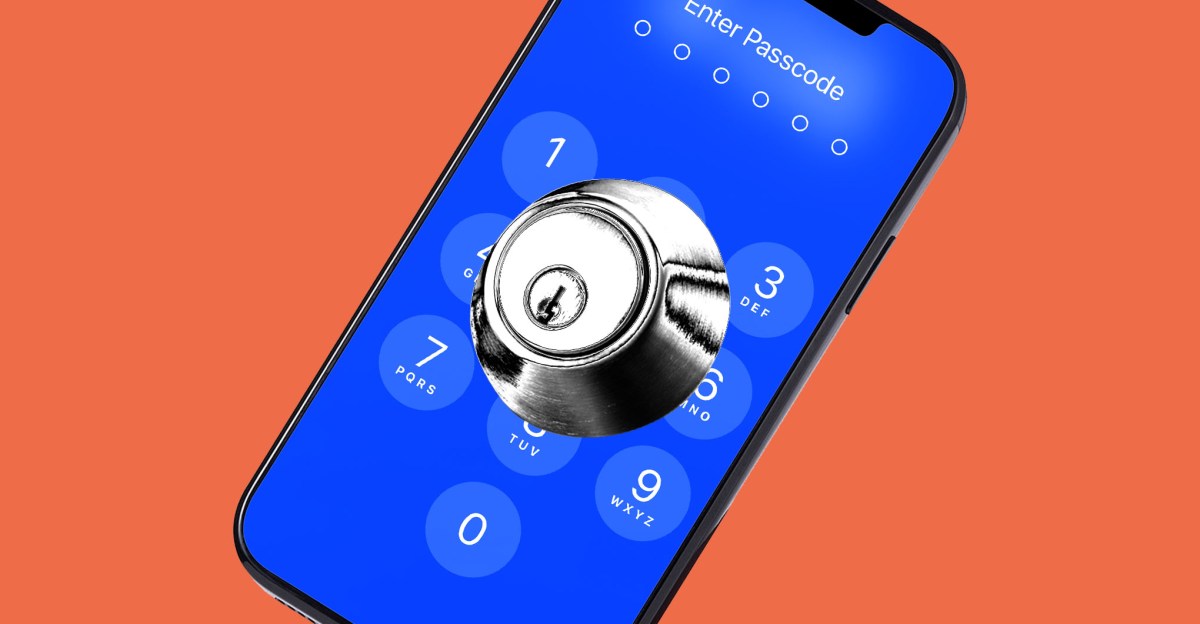
Federal prosecutors are pursuing a Sam Tunick duress password case after accusing the U.S. citizen of causing his phone to erase itself while agents tried to take it at Atlanta’s Hartsfield-Jackson airport on January 24, 2025.
According to reporting by TechCrunch, the government says Tunick gave federal agents a fake passcode, described as a “duress password,” instead of the code that would unlock the device. Prosecutors allege the password triggered a wipe through a feature in GrapheneOS, a privacy-focused mobile operating system.
The charge relies on a little-used statute that makes it a crime to destroy or damage property to prevent authorities from seizing it. In the government’s version, the phone was property agents were trying to take, and the wipe obstructed that seizure.
Tunick’s lawyers say the government should not get that far. In a defense motion, they argue the detention and seizure were unlawful and that any resulting evidence should be excluded. They also say agents questioned Tunick about child exploitation images as a pretext to examine his ties to Atlanta’s Stop Cop City movement.
What is a duress password?
A duress password is an alternate credential a person can enter under pressure. In the allegation here, it did not unlock Tunick’s phone, it caused the device to erase data instead.
The case turns a privacy feature into the alleged act at the center of a criminal prosecution. That is the uncomfortable bit for phone-security people: the government is not just arguing over whether it can search a device at the border, it is arguing that triggering a wipe while agents seek the device can itself be a crime.
Tunick’s attorneys say agents denied him access to a lawyer, did not show a warrant, and did not tell him his legal rights. They also allege that the request for phone access was made under false pretenses.
The government has argued it did not need to present a warrant because Tunick had not yet been allowed to enter the United States. The available record, as described in the filings and reports, leaves the court to sort two linked questions: whether the border detention and seizure were lawful, and whether the alleged phone wipe can support the property-destruction charge.
The Stop Cop City connection is part of the defense’s challenge to the government’s stated basis for the encounter. Stop Cop City refers to the protest movement opposing Atlanta’s planned police and public safety training center. Tunick’s lawyers say agents used the child-exploitation questioning as cover for a broader probe into those associations.
Marlon Kautz of the Atlanta Solidarity Fund told The Guardian that “we all have a right to secure our private data against unconstitutional searches.” The government, for now, is taking the opposite procedural route: it is treating the alleged erasure as the prosecutable event, not as a protected refusal to expose the contents of a phone.
This story draws on original reporting from The Verge.