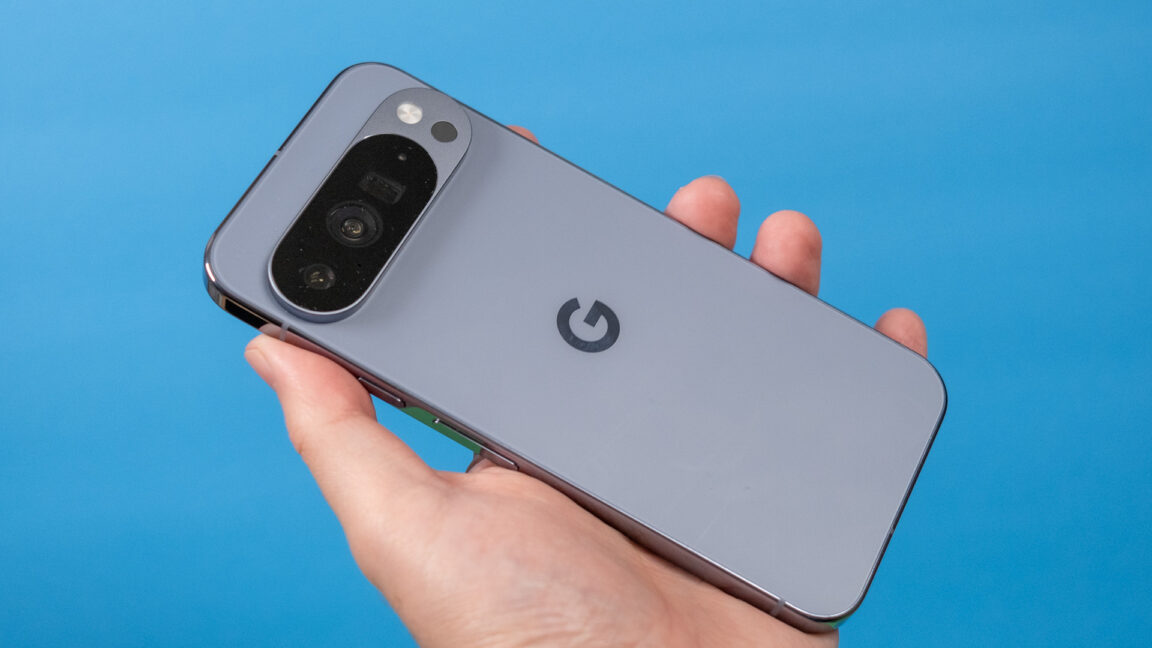
The Samuel Tunick duress code charges now in federal court turn a border phone search into a test of whether wiping your own device can be treated as destruction of property. Tunick, an Atlanta resident and activist, was returning to the United States in early 2025 when Customs and Border Protection agents sought access to his Google Pixel, according to reporting by The Guardian and court filings cited in the case.
Tunick’s phone was running GrapheneOS, a privacy-focused Android variant for recent Pixel devices. Rather than provide the code that would unlock the phone, Tunick gave an agent a separate duress code. When the agent entered it, the phone went blank, flashed, and appeared to restart, according to the account described in court. The data and eSIMs on the device were erased.
Federal authorities still took the phone. Later in 2025, the Justice Department brought criminal charges under a statute that bars someone from knowingly destroying or damaging property to stop it from being seized. If convicted, Tunick could face as much as five years in prison, according to the reported charging documents.
What is the GrapheneOS duress code?
GrapheneOS says its optional duress feature lets a user set a code that looks like a lock-screen credential but triggers an immediate, irreversible wipe of the device instead of unlocking it. The feature is meant for situations where a user fears the phone or its data will be taken by someone else.
The operating system is based on Android and is designed around privacy and security features including memory protections, automatic rebooting, and the duress code. GrapheneOS supports Google Pixel phones beginning with the Pixel 6 generation, according to the project’s documentation.
Why was Samuel Tunick stopped?
Government lawyers and agents said at Tunick’s first hearing last week that he was put through a standard secondary airport inspection and that agents were checking for prohibited material, The Guardian reported. Tunick’s lawyers give a different account. They say the stop was tied to his activism with Defend the Atlanta Forest, a group that opposed the Atlanta-area police and fire training center often called Cop City.
According to Tunick’s legal team, CBP had placed him on a watch list and discussed plans over email to detain him on return to the United States over suspected terrorism activity. During the airport questioning, agents told Tunick they wanted to search the phone for evidence of child sexual abuse and warned that the phone would be seized if he refused to unlock it, according to the reported account.
Tunick says agents did not read him his rights and denied repeated requests for a lawyer. His attorneys have asked the court to suppress evidence from the interrogation, including the duress-code incident. Their motion argues the government used the border encounter as a pretext to gather information about activists opposed to Cop City. The $118 million training facility opened in spring 2025.
The government has long claimed broad authority to search and seize electronic devices at the border. What is unusual here is the alleged use of a property-destruction law after a phone owner caused data to disappear during a search. Electronic Frontier Foundation experts told TechCrunch they had not seen the statute used this way before.
That leaves prosecutors with a narrow but consequential argument: Tunick was told he was in a border inspection, and the government says the wipe crossed a criminal line because it prevented seizure of the phone’s contents. Tunick’s defense says the search itself violated his constitutional rights. The court now has to decide how far border search power reaches when the thing agents want is encrypted data, not a suitcase full of contraband.
This story draws on original reporting from Ars Technica.