Shift robot training data is being collected in a very domestic way: the company is sending private chefs into San Francisco homes to cook free meals while wearing cameras that record their hands at work, according to WIRED.
The arrangement is blunt. A resident gets a three-course meal at no charge. Shift gets first-person video from inside a real kitchen, including the fine motor work of chopping, cooking, plating and cleaning. The company wants that footage to help train robots that may one day handle household tasks without turning dinner into a liability waiver.
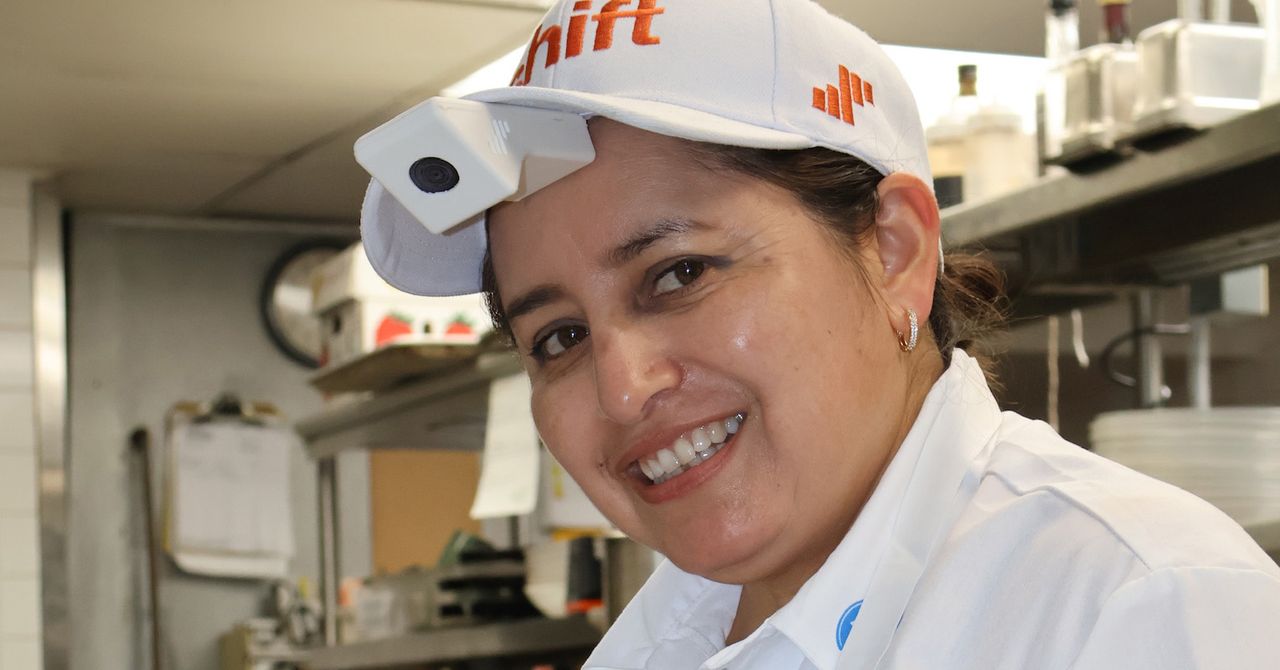
WIRED’s Reece Rogers reported that a Shift chef named Ollie arrived at his apartment with a camera mounted on the brim of a baseball cap. The device, described as roughly GoPro-sized, was wired to a smartphone that stored the recordings. During the visit, the chef prepared gazpacho, trumpet mushrooms, baked salmon with a creamy zucchini sauce and tiramisu, then cleaned the kitchen afterward.
What is Shift collecting for robot training?
Shift is collecting egocentric video, meaning footage captured from the worker’s own point of view rather than from a wall camera or a phone on a counter. For robotics, that angle is useful because it shows how human hands move through messy, ordinary spaces, including how they grip tools, avoid obstacles and sequence small actions.
The company had already used a similar model in New York City, where it offered free cleaning services in exchange for recording work done in customers’ homes, WIRED reported. In San Francisco, Shift has expanded the idea to home-cooked meals.
Shift is part of Microagi, a German startup focused on deploying robots outside the lab. Microagi CEO Bercan Kilic told WIRED that Shift has two aims: giving people a way to participate in the AI economy and preparing society and governments for what he described as a future of abundance.
In the nearer term, Kilic frames the business as a marketplace for contractors who can earn money by recording videos that improve AI models. WIRED’s Rogers has previously tested related gig-work systems, including recording hand movements while cooking for DoorDash and filming repeated shoelace-tying for another data collection company. He reported that the payouts from such work have been small, though he had managed to monetize physical movements on some platforms.
Why are homes valuable to robotics companies?
Robotics companies need examples of real human behavior in real rooms because homes are chaotic in ways demo labs are not. Counters are different heights, pans are in odd places, lighting changes and people fail to clean their ovens before letting a camera-wearing stranger make gazpacho.
Kilic told WIRED that large language models benefited from enormous amounts of text scraped from the internet. Robotics has no equivalent archive of first-person household video. For readers who want the software side of that comparison, here is a plain-English explainer on how LLMs work.
Shift plans to add more free services, or discounted ones, in return for recording, according to Kilic. He also told WIRED he expects capable home robots at reasonable prices by next year, though he said they would not perform every job. That is a company forecast, not a confirmed product reality.
The risks are less abstract than robot consciousness. A home robot trained to cook would need to handle knives, heat and breakable objects around pets and people. A cleaning robot that fails can make a mess. A cooking robot that fails could do worse.
WIRED’s account also points to the awkward privacy bargain underneath the free lunch: a household gets a service, while a company gets video from inside a private space. For now, Shift’s pitch depends on people deciding that a cooked meal, or a cleaned apartment, is worth becoming one more data point in the long training set for machines that may eventually do the work themselves.
This story draws on original reporting from WIRED.