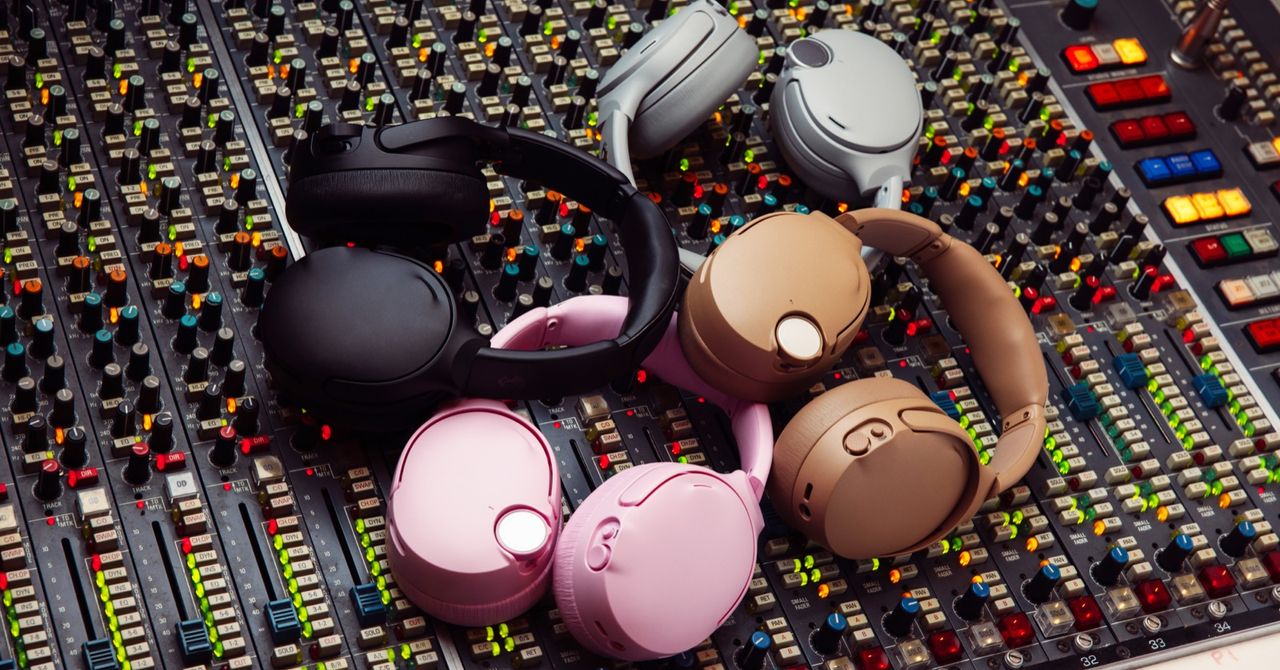
Skullcandy has put Bose engineering inside its newest Crusher headphones, a move aimed at fixing the obvious problem with a product line built around vibrating your head: bass is fun until it smears the rest of the music.
The company announced the Crusher 1080 ANC at an event in New York City on Wednesday evening, according to WIRED, and the headphones are on sale now for $280. That price keeps Skullcandy below flagship noise-canceling models from Apple, Bose and Sony, while moving the brand closer to the premium aisle than its old bargain-bin image allowed.
The Crusher line has been around for more than a decade. Its signature feature is a physical wheel on the ear cup that lets listeners raise the low-end vibration effect. Turn it up and the headphones try to mimic the body-hit of a subwoofer, using a dedicated driver design that makes the cans rumble against the listener’s head.
That trick has also been the technical mess. Brian Garofalow, Skullcandy’s chief executive, told WIRED that combining the company’s Crusher bass system with active noise cancellation was an engineering challenge. He said Skullcandy worked with Bose engineers to separate the bass effect from the broader acoustic tuning, so the low-end impact can be adjusted without dragging the mids and highs into the mud.
What Bose is supplying
The Crusher 1080 ANC is part of Bose’s Sound by Bose licensing program. According to Skullcandy’s claims reported by WIRED, the collaboration brings Bose-assisted noise cancellation, a spatial audio profile meant to create a surround-like presentation, and a six-microphone array for calls.
Those are claims, not independent test results. The interesting bit is the mechanism: Skullcandy is trying to isolate the Crusher rumble as its own adjustable layer, rather than letting the bass control rewrite the whole frequency balance. If that works, users could still indulge the front-row-concert fantasy without sacrificing every vocal and cymbal in the process.
Skullcandy says the headphones run for 60 hours with noise cancellation off and 50 hours with it on. The company also claims a 10-minute charge provides four hours of listening. Other listed features include wear detection that pauses playback when the headphones are removed, a customizable equalizer in Skullcandy’s app, multipoint pairing, Bluetooth 5.3 and Auracast support.
A brand trying to grow ears
Skullcandy has long sold itself through action-sports culture. Garofalow told WIRED the company started near Park City, Utah, and has catered heavily to snowboarders and similar communities. He also acknowledged that Skullcandy has been stronger at building culture around the brand than at product engineering.
Mill Road Capital now owns Skullcandy, according to WIRED. Under Garofalow, the company has been trying to reposition itself as more than a lifestyle logo for people who want loud, cheap headphones. Its earlier Bose-assisted Method 360 ANC earbuds, released in 2025, were part of that push. WIRED reported that the $130 earbuds delivered better audio and noise cancellation than expected for the money.
Skullcandy also says the Method 360 ANC gained 20 percent of the $75 to $100 earbud segment after launch, citing a third-party market report it paid for, according to WIRED. Paid research deserves the usual raised eyebrow, though it does show which numbers the company wants investors, retailers and customers to notice.
Garofalow told WIRED that Skullcandy lost ground during the rise of true wireless earbuds and AirPods, and that his plan has been to return to the brand’s distinct identity while improving the product work behind it. The Crusher 1080 ANC is the clearest version of that bet: keep the bass wheel, add Bose help, and hope listeners hear a headphone company rather than a merch brand with drivers attached.
This story draws on original reporting from WIRED.