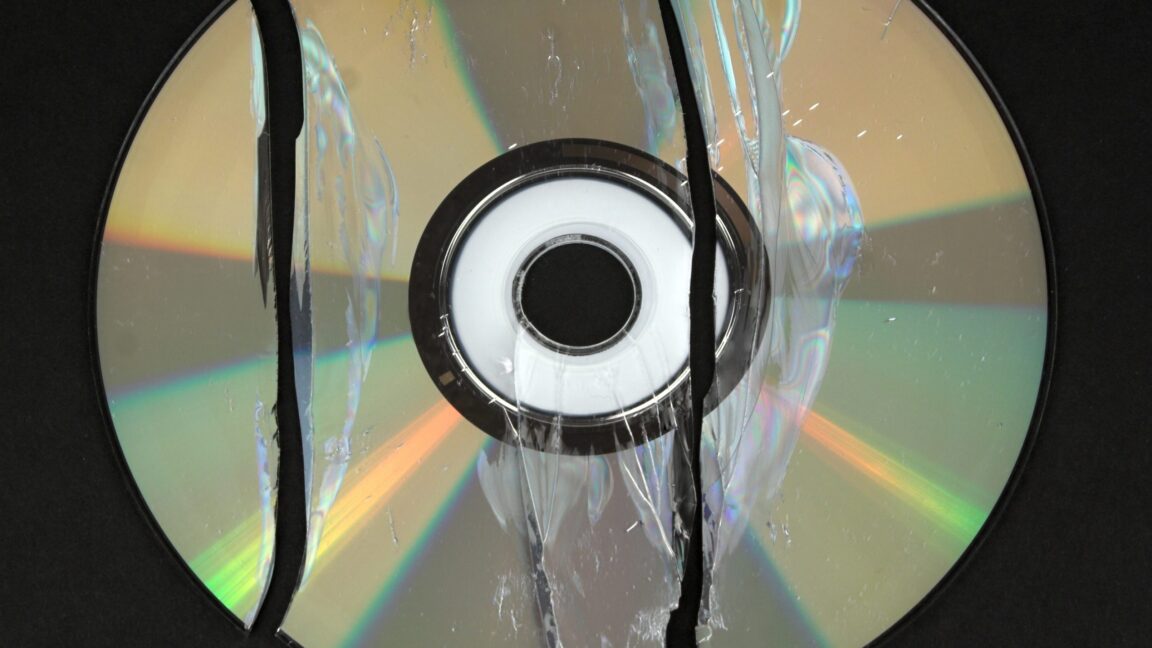
Sony’s plan to stop producing physical PlayStation game discs in 2028 would remove more than a plastic box from the buying process. It would also cut off the used-disc market that still gives PlayStation owners a way to dodge the PlayStation Store’s full digital prices.
Ars Technica senior gaming editor Kyle Orland analyzed prices for 19 current top-selling PlayStation games that are sold both digitally and on disc. The comparison looked at PlayStation Store standard prices, the lowest PlayStation Store sale prices over the past year using PlatPrices.com, new disc prices at Amazon, used prices at GameStop, and recent completed eBay sales.
The pattern was not subtle. Ars found that the PlayStation Store’s regular digital price was the most expensive option for 15 of the 19 games, counting two near-ties. Some older games, including Call of Duty: Modern Warfare, Assassin’s Creed Valhalla, and Assassin’s Creed Odyssey, were still listed digitally at $59.99 while used GameStop discs were available for $9.99.
That is the part of the market Sony would be removing if future PlayStation releases no longer ship on disc. A used copy is not a loyalty program, a storefront event, or a publisher-approved coupon. It is a competing price, available because someone else bought the game and can sell it.
Sales help, but only when they exist
The digital store was not always the worst deal. Ars found that PlayStation Store discounts cut prices by 40 percent to 80 percent in the sample. During those sales, downloads became the cheapest option for 10 of the 19 games analyzed. In some cases, the discounted download cost half as much as the lowest used-disc price.
The catch is timing. Ars reported that the lowest digital prices for the bestsellers it checked were available only 13 percent to 33 percent of the time. A buyer who wants a cheap used disc can usually buy one when they want it. A buyer waiting for the PlayStation Store has to watch for sale windows, which may not appear for months.
Even on sale, downloads did not consistently beat used discs. Ars found that used discs remained the cheapest option for seven of the 19 games. Two more were roughly tied with the best digital sale price. For Dark Souls III, Ars said a used GameStop disc was $10 cheaper than the PlayStation Store’s $30 sale price.
Discs also preserve one economic feature downloads do not offer: resale. A player who buys a physical copy can sell it later and recover part of the cost. A PlayStation Store purchase stays in the account, subject to the store’s rules and availability, with no secondary market for the buyer.
A closed store changes the pressure
Ars noted that today’s used-disc prices act as a release valve on PlayStation pricing. They give publishers and Sony an outside reference point when setting digital discounts. If future games are available only through the PlayStation Store, PlayStation owners would lose that retail and resale alternative.
That does not prove digital prices will stay high. Ars pointed to PC gaming, where disc sales have largely faded while Steam and other digital stores still run frequent discounts. PlayStation already has download-only games sold at low prices, too.
Still, the current PlayStation Store model relies heavily on inflated standard prices and occasional sharp cuts. Ars described the full price on older games as a level that helps publishers advertise large percentage discounts when sales return. For players who buy outside those windows, used discs remain a cheaper and more predictable option.
If Sony follows through in 2028, bargain hunters will lose the one PlayStation market that Sony and publishers do not directly control. The download sale calendar may keep offering deals. It will not replace the used shelf.
This story draws on original reporting from Ars Technica.