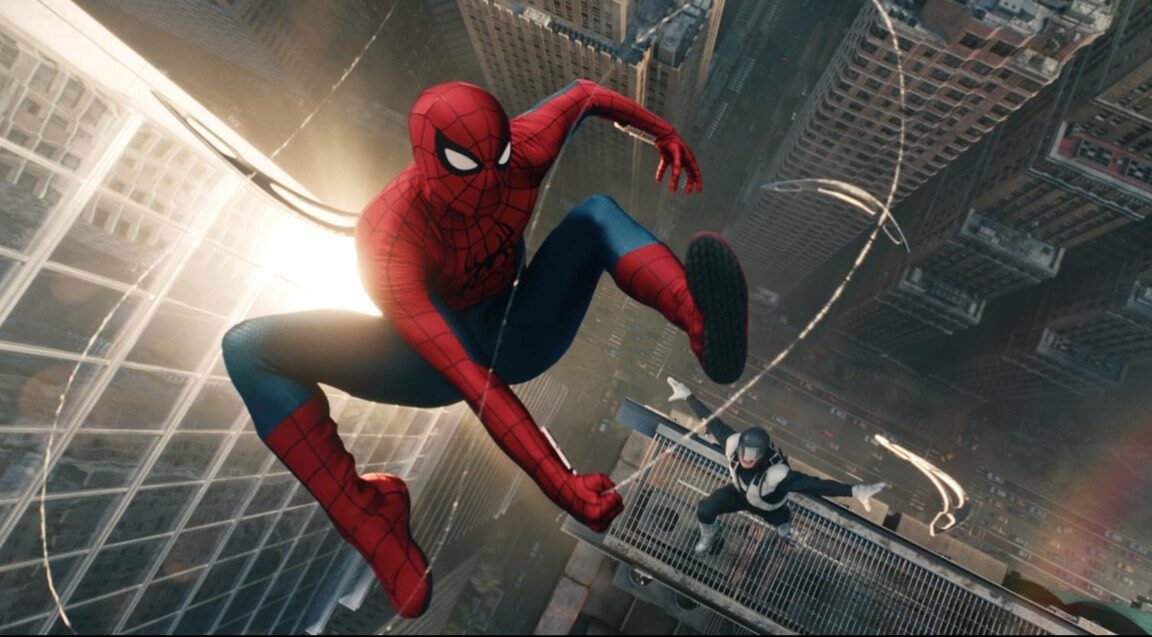
This Spider-Man: Brand New Day review comes with a qualified recommendation: the available early notices describe a sequel that puts Peter Parker’s isolation ahead of the usual franchise noise. Directed by Destin Daniel Cretton, the film follows Tom Holland’s Peter after Spider-Man: No Way Home, living in a world where the people closest to him no longer remember him. That is a useful premise for a Spider-Man story, and the reviewers who responded most favorably say the film actually uses it.
Ars Technica’s review argues that Cretton’s film works because its character development and emotional pacing carry as much weight as its effects-heavy action. The review identifies Peter’s loneliness, his separation from MJ and Ned, and the pressure of trying to operate alone as the story’s center. It also credits Holland with selling the character’s painful adjustment to a life stripped of his former relationships.
That reading is echoed by Tampa Bay Beacons, whose reviewer calls Holland’s portrayal his strongest in the role and highlights Peter’s impulse to take every burden on himself. The review also praises the action choreography and the film’s interest in resolving conflict with empathy rather than force. Forbes contributor Erik Kain likewise frames the movie as an unusually affecting personal exception after a run of superhero films he found underwhelming.
Is Spider-Man: Brand New Day worth seeing?
For viewers invested in Holland’s version of Peter, the reviews suggest yes. The strongest case is not that the movie has solved the superhero-film problem, because no small set of reviews can establish that, but that it gives its lead character a problem with actual emotional consequences. Peter has to watch people he loves continue their lives without him, and the film reportedly lets that loss remain uncomfortable instead of filing it away between set pieces.
It is also a direct continuation of No Way Home, rather than a clean reset. That makes prior familiarity valuable. A reader who remembers why Peter’s friends have forgotten him should have little trouble with the setup; a viewer who has tracked the surrounding Marvel material may get more from the supporting references.
Where the sequel still looks like Marvel product
The praise is far from unanimous, and the reservations are specific. Ars Technica finds an inconsistency in how the earlier film’s memory-erasure spell appears to operate. Luke Y. Thompson, writing in a Substack review, argues that the screenplay revisits plot devices and imagery associated with earlier Spider-Man films. He also says the Department of Damage Control material and appearances by other Marvel characters can be less welcoming for people who have not kept up with related films and television.
A limited excerpt attributed to The Atlantic offers a similar warning, saying the movie begins with a back-to-basics Spider-Man approach before falling into familiar Marvel Cinematic Universe patterns. That critique is only partly documented in the available excerpt, so it should be treated as a signal of dissent, not a full accounting.
The available reviews are a small, non-representative sample rather than a verdict from the entire critical field. Still, they agree on the part worth paying attention to: Cretton and Holland appear to get the most mileage from Peter Parker as a young man marooned by his own sacrifice. The crossover apparatus may still clank. The human story, according to these reviewers, has enough traction to pull it along.
This story draws on original reporting from Ars Technica.