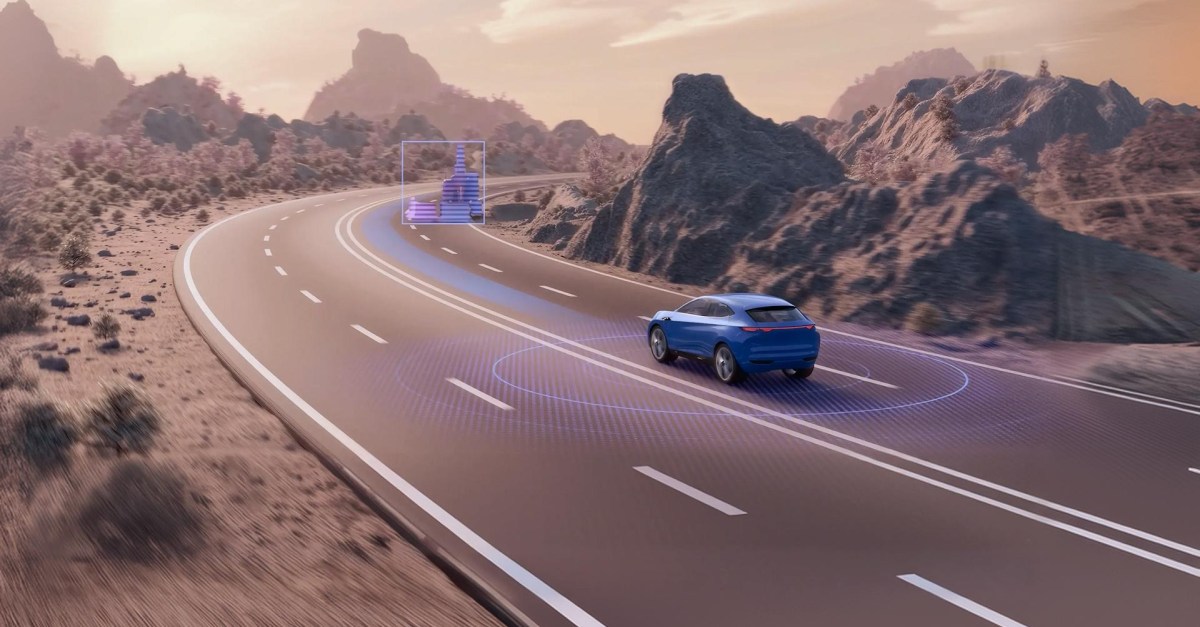
Stellantis plans to put Mobileye hardware and mapping tech into future vehicles for Level 2 hands-free driver assistance, the companies said Tuesday. The rollout is scheduled to begin in 2027, giving the parent company of Jeep, Chrysler, Dodge, Ram, Fiat, Peugeot, Citroën and other brands a broader supplier for a feature set it has so far pushed less loudly than Ford and General Motors.
The deal centers on Mobileye’s EyeQ system-on-a-chip and its Road Experience Management program, known as REM. Mobileye says REM collects real-time road data from vehicles already using its equipment and turns that into a global 3D map. In Stellantis vehicles, the companies say the package will support hands-free, eyes-on driving and lane keeping on some unmarked roads, limited to specified areas and conditions.
That last clause does a lot of work. Level 2 systems are driver-assist tools, not robot chauffeurs. Stellantis and Mobileye are talking about convenience automation for certain roads, with the driver still expected to pay attention. The steering wheel gets a break; the human does not.
What Stellantis is adding
Stellantis did not say which of its brands will receive the Mobileye-based systems first. That leaves buyers of Jeep, Ram, Peugeot or Fiat vehicles guessing for now, which is annoying but unsurprising in the driver-assist market, where launch dates often arrive before trim details.
The company already sells Hands-Free Active Driving Assist in some Jeep and Ram models. It has also announced STLA AutoDrive, a separate “hands-free, eyes-off” system aimed at stop-and-go traffic. Stellantis has said that system is being developed with the UK self-driving company Wayve and is expected to launch in 2028.
The Mobileye plan is different in scope and timing: a 2027 start for eyes-on Level 2 assistance using Mobileye silicon and map data. The companies have not described pricing, subscription terms or the exact road network where the features will work.
Mobileye gets more map data
For Mobileye, the Stellantis deal is also about scale. The Jerusalem-based company says Stellantis brings its REM contributor list to five of the world’s ten largest automakers. Mobileye says REM covers more than 95 percent of public roads in the United States and Europe, using data from more than 8 million vehicles. Those vehicles collectively recorded 34 billion miles last year, according to the company.
Mobileye reported $558 million in revenue for the first quarter of 2026, up 27 percent from a year earlier.
Automakers are investing heavily in advanced driver-assistance systems because the features can make highway driving less tedious and can create recurring software revenue. Fortune Business Insights estimates the ADAS market will reach $90 billion over the next decade. That estimate is a market forecast, not a guarantee, and the industry has a habit of selling tomorrow’s autonomy with today’s fine print.
For Stellantis drivers, the near-term takeaway is narrower: starting in 2027, some vehicles from the group are expected to use Mobileye chips and crowd-built mapping data for limited hands-free driving. Which badges get it, where it works and what it costs remain unanswered.
This story draws on original reporting from The Verge.