Public health campaigns that answer vaccine hesitancy storytelling with fact sheets are fighting the wrong part of the machine, according to Katherine Shwetz, a Rice University lecturer in medical humanities writing for The Conversation.
Shwetz argues that vaccine-skeptical groups often persuade through emotionally charged narratives rather than through medical claims alone. Those stories can portray doctors as dismissive, children as harmed after vaccination, and institutions as threats to personal freedom. The medical accuracy of those narratives is the point of dispute, but their structure is doing real communication work.
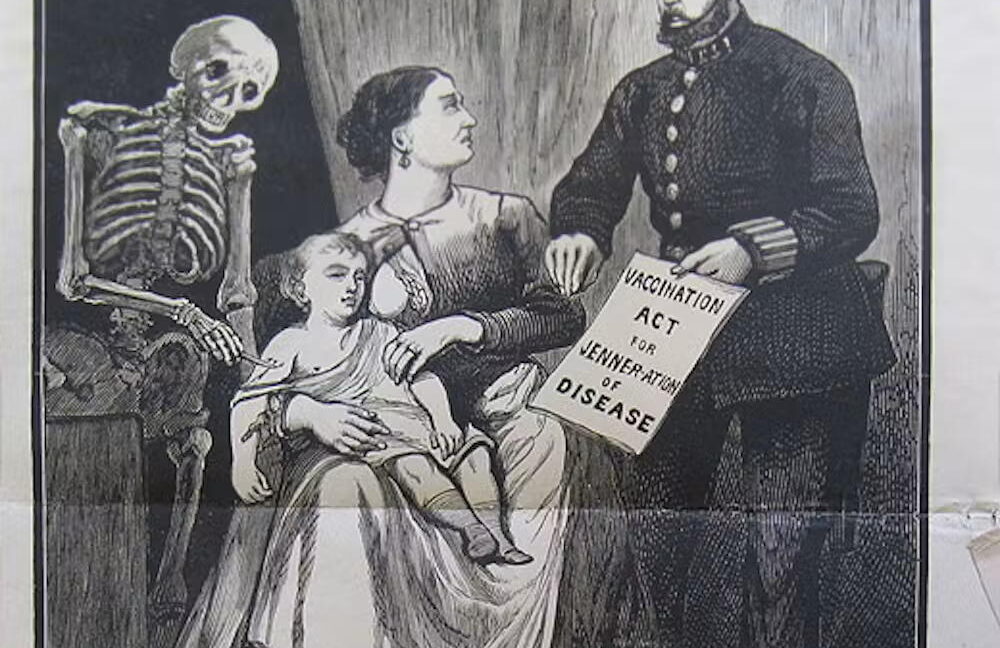
Vaccine hesitancy generally refers to delaying or refusing some or all vaccines despite standard public health recommendations. Shwetz notes that skepticism toward vaccines is not new: people resisted compulsory smallpox vaccination in 19th-century England, and the Anti-Compulsory Vaccination League of Brooklyn formed in 1894.
How does storytelling fuel vaccine hesitancy?
According to Shwetz, anti-vaccine narratives work because they turn vaccines into symbols. A vaccine can be framed as a test of parental vigilance, a marker of resistance to government power, or proof that a person is mentally strong enough to reject social pressure. Once that symbolic move happens, the argument has drifted away from immunology and into identity.
That is a harder problem than correcting a bad statistic. Public health messaging has often relied on what researchers call the information deficit approach: give people clearer, more accessible scientific information and confidence should improve. Shwetz writes that this model has produced limited results because vaccine attitudes are shaped by trust, social belonging, religion, politics, medical experience and fear, not only by access to reliable information.
She also pushes back on the lazy stereotype that vaccine-hesitant people are just uninformed. Research she cites finds no single profile of vaccine skepticism, and some people who express hesitant views have higher education degrees or strong health literacy. That is inconvenient for anyone hoping a better brochure would settle the matter.
The storytelling gap matters because pro-vaccine communication has constraints that vaccine-skeptical storytelling often does not. Science-based messages have to reflect evidence, uncertainty and the frequently uneventful reality of vaccination. Skeptical stories can be more dramatic, more personal and more emotionally sticky, even when they make medically inaccurate claims.
Why does Shwetz point to the CDC under Kennedy?
Shwetz writes that, under Health and Human Services Secretary Robert F. Kennedy Jr., the Centers for Disease Control and Prevention has begun using language that resembles vaccine-hesitant framing. She cites a CDC release on changes to the childhood vaccine schedule that described the shift as “individual-based decision-making.”
She also points to Kirk Milhoan, Kennedy’s appointed head of the Advisory Committee on Immunization Practices, who described vaccine debates as a matter of “autonomy versus public health,” according to The Guardian. Shwetz’s critique is that this framing presents vaccination as a threat to individuality, while pushing the physical risks of infectious disease further into the background.
The public health lesson she draws is not that officials should mimic anti-vaccine campaigns. It is that communicators need to read the stories more carefully. That includes identifying the narrative techniques being used, understanding why they appeal, and taking seriously the experiences that make institutional distrust plausible for some communities.
Shwetz specifically notes that marginalized groups can have grounded reasons to distrust medical authorities, including the history of forced experimentation and systemic discrimination against Black Americans. Treating every skeptical response as ignorance misses those histories and can make public health outreach worse.
Her proposed path is more demanding than posting another explainer: combine scientific literacy with narrative literacy. Public health professionals, she argues, need to address the symbols and fears attached to vaccines as well as the evidence about safety and disease prevention.
This story draws on original reporting from Ars Technica.


