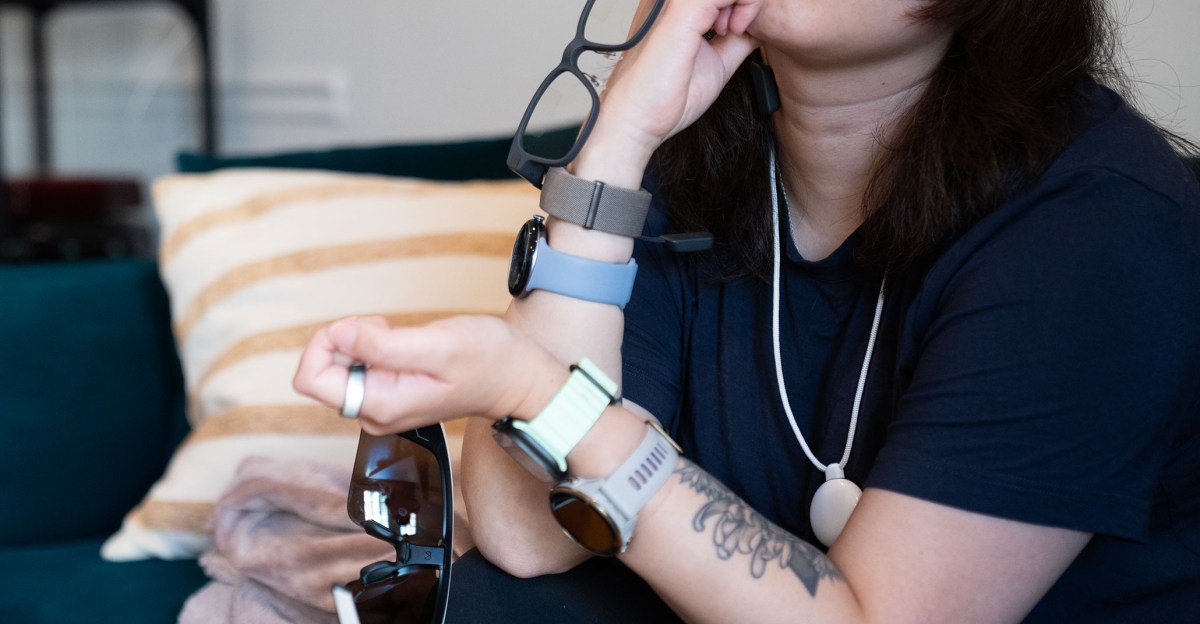
The Verge senior reporter Victoria Song used her latest Optimizer column to answer a reader question about Victoria Song health tracking: what a wearables reviewer actually measures in a day, and why copying that routine would be a bad idea for most people.
Song, who covers wearables and health tech for The Verge, framed the column as a response to years of reader requests. She compared the curiosity to the popularity of “what I eat in a day” videos, which she said can reveal what people think healthy habits look like, even when some posts are probably staged for attention.
Her answer is less influencer routine than test protocol. Song wrote that her tracking is tied to evaluating devices and the claims companies make about them. That includes checking GPS accuracy, seeing how workout intensity affects battery life, and comparing metabolic readings from a $600 smart scale that uses foot-sweat data with readings from a CGM.
What does Victoria Song track as a wearables reviewer?
According to Song, she tracks health data to test wearables and connected health products, rather than to prescribe a lifestyle. The examples she named include GPS performance, battery drain under exercise load, and whether a smart scale’s metabolic insights line up with a CGM.
That distinction matters because consumer health gadgets often sell a tidy story: collect more data, get more control. Song’s column pushes back on the easy version of that pitch. Her job can require a level of self-measurement that she said she would not recommend for regular users.
The mechanism is straightforward, if tedious. A reviewer has to generate enough real-world use to see whether a device behaves as advertised. GPS testing means checking whether a tracker records a route accurately. Battery testing means putting the device through workouts hard enough to show how power use changes. Comparing two health devices means looking for whether their outputs move together or contradict each other.
The column appeared in Optimizer, Song’s weekly newsletter for The Verge about personal tech, health gadgets, and related products that promise life improvement. The Verge says Song has more than 13 years of experience reporting on wearables, health technology, and adjacent fields, including previous work at Gizmodo and PC Magazine.
The newsletter note also said Optimizer is taking a two-week break and will shift to Wednesdays starting August 12. The full column continues behind a Verge subscription.
This story draws on original reporting from The Verge.


