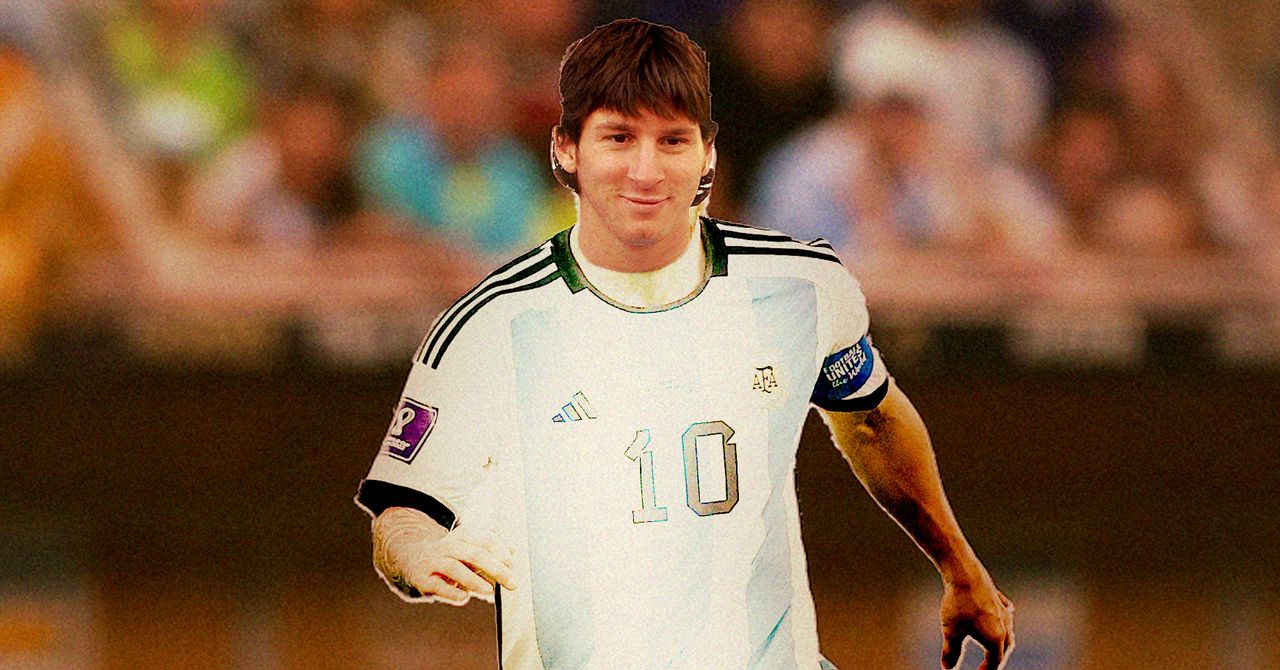
Lionel Messi was supposed to be done with the World Cup in 2018, at least according to commentators who watched Argentina lose to France in the round of 16. He was 31 then. Four years later he captained Argentina to the title in Qatar. This year, at 39, he returned again.
Messi is no longer a weird outlier. The 2026 FIFA World Cup has become a parade of late-career stars who stayed on the pitch long after the usual retirement chatter started. Cristiano Ronaldo, 41, said this tournament would be his last after Portugal went out in the round of 16 following a loss to Spain. Brazil’s Neymar, 34, announced his retirement from international football. Germany goalkeeper Manuel Neuer, 40, did the same. Mexico’s Guillermo Ochoa, who turned 41 this month, is stepping away from professional football after becoming the first goalkeeper named to six World Cup squads.
The tournament also featured eight players aged 40 or older, according to FIFA, more than all previous editions combined. That group included Cape Verde goalkeeper Vozinha, 40, who emerged as one of the tournament’s notable performers.
The aging curve has not gone away
The evidence for a broader aging trend is incomplete, because there is no single global dataset comparing retirement ages across eras. Still, published research points in the same direction. A 2019 peer-reviewed study in Frontiers in Psychology examined almost 30 seasons of UEFA Champions League football and found that the average player age rose from 24.9 in 1992-93 to 26.5 by 2017-18.
That does not mean football has stopped producing teenagers. FIFA has highlighted young players at this World Cup, including Lamine Yamal, Endrick and Bara Sapoko Ndiaye. The shift is at the other end of the roster: the best veterans are taking longer to leave.
Biology is still annoyingly undefeated. Research cited in the field places the typical physical peak for professional footballers in the mid-to-late twenties, with variation by position. Studies of players in their thirties show declines in explosive speed and the ability to repeat high-intensity running, which modern football demands in rude quantities.
A long-term study of Spain’s top players found endurance losses were especially pronounced for wide defenders, wide midfielders and forwards, roles that lean heavily on acceleration. Central defenders and central midfielders, by contrast, improved their passing accuracy with age, suggesting that positioning, anticipation and decisionmaking can cover some of the lost pace.
Clubs now manage decline instead of pretending it is a surprise
Messi’s late-career game is the cleanest public example. He no longer spends matches chasing every phase. The Athletic reported, using FIFA tracking data, that Messi has spent 63 percent of his movement at this World Cup walking. That is not laziness. It is load management in boots: conserve energy, read the pattern, intervene when the moment is worth the cost.
A 2024 review of athletes with extended careers found a correlation between elite longevity and more individualized training. Instead of giving every player the same workload, clubs now adjust programs around injury history, recovery, training response and physical capacity.
Teams also use tracking and recovery systems that would have sounded like lab clutter to previous generations. GPS units measure sprint speed, acceleration, deceleration, distance and training load. Heart-rate monitoring and recovery data help staff detect fatigue before it becomes an injury. Sports scientists describe recovery around the “4Rs”: rehydrate, refuel, repair and rest. Clubs add nutrition plans, sleep monitoring, managed workloads, cold-water immersion, compression garments and massage.
Ronaldo has made a public brand of this private infrastructure, sharing parts of his home recovery routine, including sleep tracking, cryotherapy equipment and a support team of physiotherapists, nutritionists and performance coaches.
A study tracking 3,467 retired Portuguese footballers who played between 1960 and 2018 put the average retirement age at 32.7. Its authors argued that long careers depend on long-term athlete management and adaptation. For global stars such as Messi and Ronaldo, clubs, sponsors and broadcasters also have a reason to keep the show running as long as the legs still cooperate.
This story draws on original reporting from WIRED.