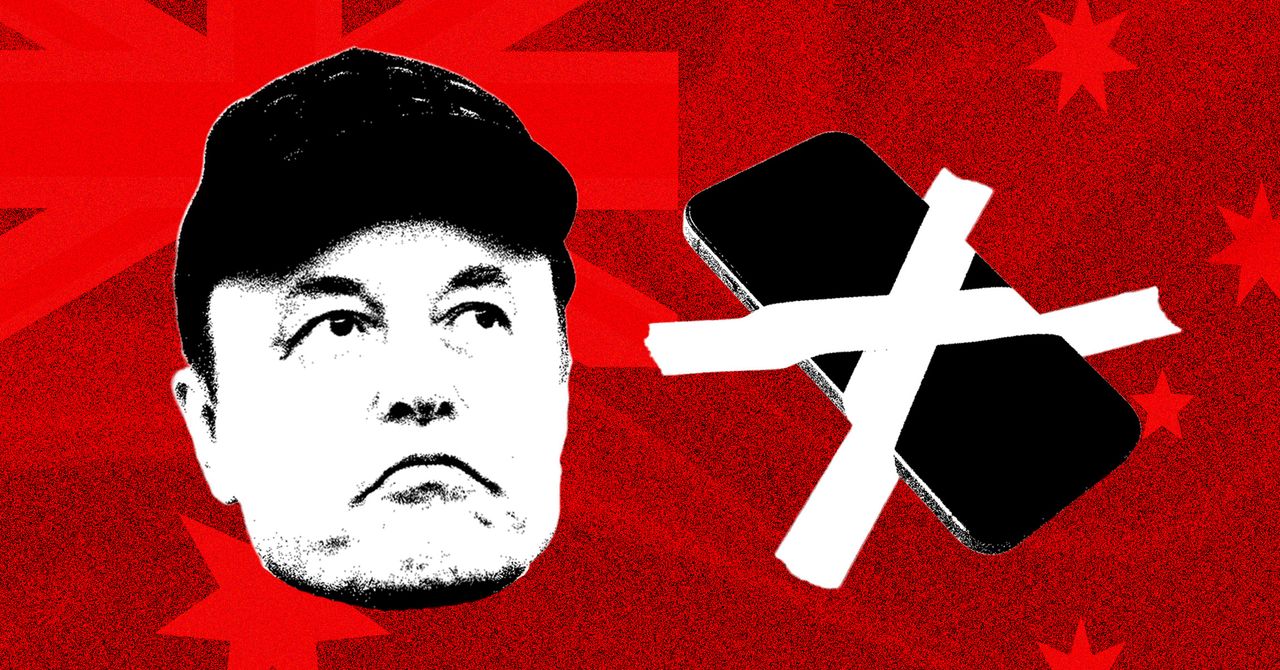
X is pushing back against the X Australia social media ban fight with a new line of attack: the company says Canberra’s proposed enforcement powers could reach across borders and create conflicts with foreign law.
In a submission to the Australian Parliament published Tuesday, X urged lawmakers to abandon changes meant to strengthen Australia’s ban on under-16s using social media. The company described the proposals as unnecessary, poorly fitted to the problem, unfair and potentially at odds with privacy rights.
The immediate fight is over how much evidence platforms must hand to Australia’s online safety regulator to show they are keeping children off their services. X objected to expanded information-gathering powers, saying they could require data, documents and compliance material from people outside Australia. The company warned that would raise problems for comity between nations, legal-speak for governments not trampling over each other’s jurisdiction without a good reason.
What is Australia's under-16 social media ban?
Australia banned children under 16 from social media platforms in December, putting it at the front of a wider push by governments to restrict minors’ access to major online services. The proposed amendment would increase pressure on platforms to prove they are taking steps to stop underage users from getting in.
X also argued that the proposed powers would be highly intrusive and said the regulator had not shown how the demands would work in practice for platforms. The company said the proposal lacks safeguards for confidential and commercially sensitive information.
The dispute is not happening in a vacuum. In May, Australia ordered X to pay a $463,000 fine tied to child safety compliance. The eSafety regulator first issued the penalty in 2023, saying X had not adequately answered a request for information about how it was addressing child sexual abuse material online. That request was made one month before Elon Musk took over Twitter, which later became X.
X has previously criticized Australia’s penalty system as excessive. In its latest submission, the company also objected to a proposed increase in penalties for individuals, calling it unjustified and disproportionate.
Musk has been attacking these kinds of rules in public, too. When Australia’s age-ban legislation was announced in late 2024, he wrote on X that it looked like a backdoor method for controlling Australians’ internet access. After Spanish prime minister Pedro Sánchez announced similar measures in February, Musk called him a tyrant and a fascist totalitarian.
Do experts agree with X's foreign-law argument?
Some legal scholars and digital rights advocates share concerns about blanket age bans, but they are not all buying X’s jurisdiction argument.
Stefania Di Stefano, a researcher in international law and technologies, told WIRED that a total social media ban for children and minors raises international human rights concerns. She said such a ban can be disproportionate because it restricts children’s freedom of expression, access to information and right of association.
Julia Hörnle, a professor of internet law at Queen Mary University of London, was more skeptical of X’s complaint about document demands. She told WIRED that an Australian regulator asking X for documents related to its Australian business activities is acceptable, and said platforms can separate data about Australian children from data about users elsewhere.
That leaves the core policy fight intact. Australia is trying to make platforms prove their age restrictions work. X is arguing that the tools Canberra wants to use are too broad, too invasive and potentially messy beyond Australia’s borders.
This story draws on original reporting from WIRED.


