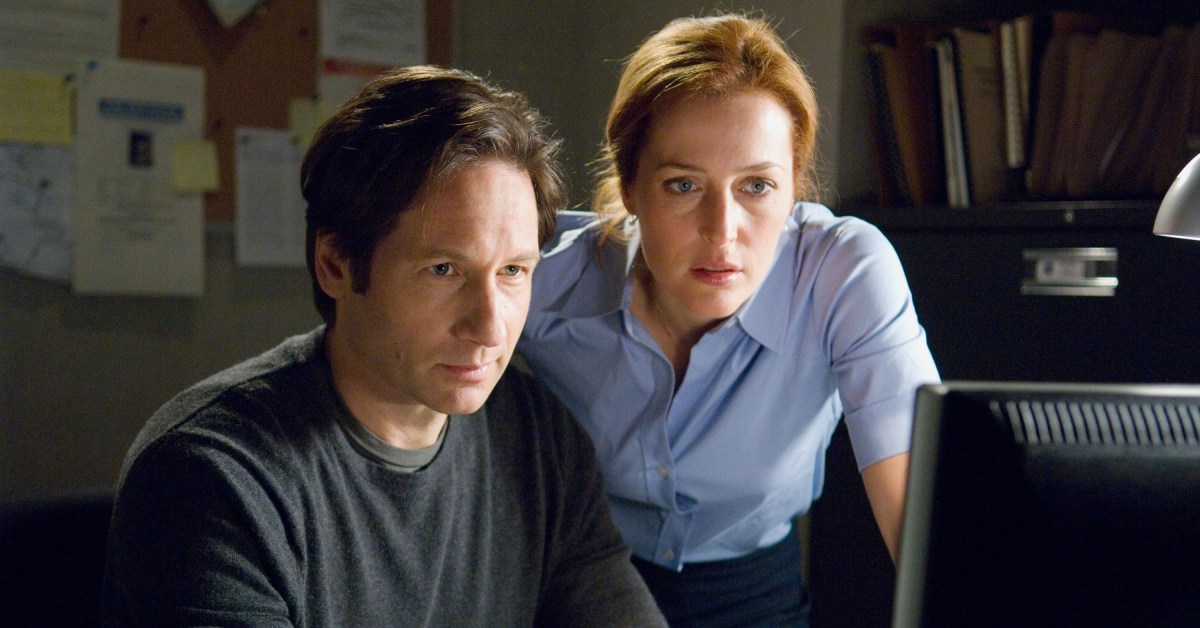
The X-Files: I Want to Believe – Vrach Frankenshteyn cut is Chris Carter’s attempt to revise the second X-Files film around the horror he says was diluted before its 2008 release. The co-writer and director’s new R-rated version was set to arrive on Hulu and Disney+ Friday, according to Rolling Stone and The Verge.
Carter’s account is more specific than the usual “director’s cut restores everything” sales pitch. He told Rolling Stone that he and his team had been hired to make a PG-13 movie and believed they had made a scary one. After executives saw an early cut, Carter said, they objected to its violence and called it “torture porn.” The filmmakers trimmed it, then made further reductions after the ratings process found the result still did not qualify for a PG-13 rating.
That makes the R rating of the recut a consequence of what Carter now chose to emphasize, rather than proof that he set out in 2008 to make an R-rated film. He told The Verge that the theatrical release still told a good X-Files story, though not in the way he and the team intended.
What is different in the X-Files: Vrach Frankenshteyn cut?
The revised film is seven minutes shorter than the theatrical version, Rolling Stone reported. Carter has reduced the material about Fox Mulder and Dana Scully’s relationship and put greater weight on the kidnappings, surgical imagery and fear experienced by the victims. So this is not a case of dumping extra scenes back into a timeline until it needs a longer parking permit. It is a re-edit built around a different dramatic priority.
The core case remains: Mulder, played by David Duchovny, and Scully, played by Gillian Anderson, investigate disappearances tied to a surgeon and a priest, played by Billy Connolly, who says he has psychic visions. The reporting describes body-part harvesting as central to the villains’ scheme.
The added subtitle flags Carter’s preferred reading of that material. Fox49 reported that “Vrach Frankenshteyn” is the Russian name for Victor Frankenstein. Carter said the film’s premise came from reading about a doctor who transplanted one monkey’s head onto another monkey, an account he saw as an intersection of science and science fiction. The Verge reported that Carter later met Robert J. White, the neurosurgeon whose work he cited, and that their conversation influenced parts of the movie.
Carter told The Verge that the recut devotes more attention to the terror of people taken from their cars and subjected to medical procedures. He also connected the story’s transplant idea to fears around pursuit of youth and immortality. Those are Carter’s interpretations of the film, not a new claim that the movie’s fictional procedures are medically possible.
The 2008 release drew mixed reviews, The Verge reported. Carter’s new cut gives viewers a cleaner way to assess his argument: the same investigation, less romantic detour, and a more explicit Frankenstein-inspired medical-procedure horror film.
This story draws on original reporting from The Verge.