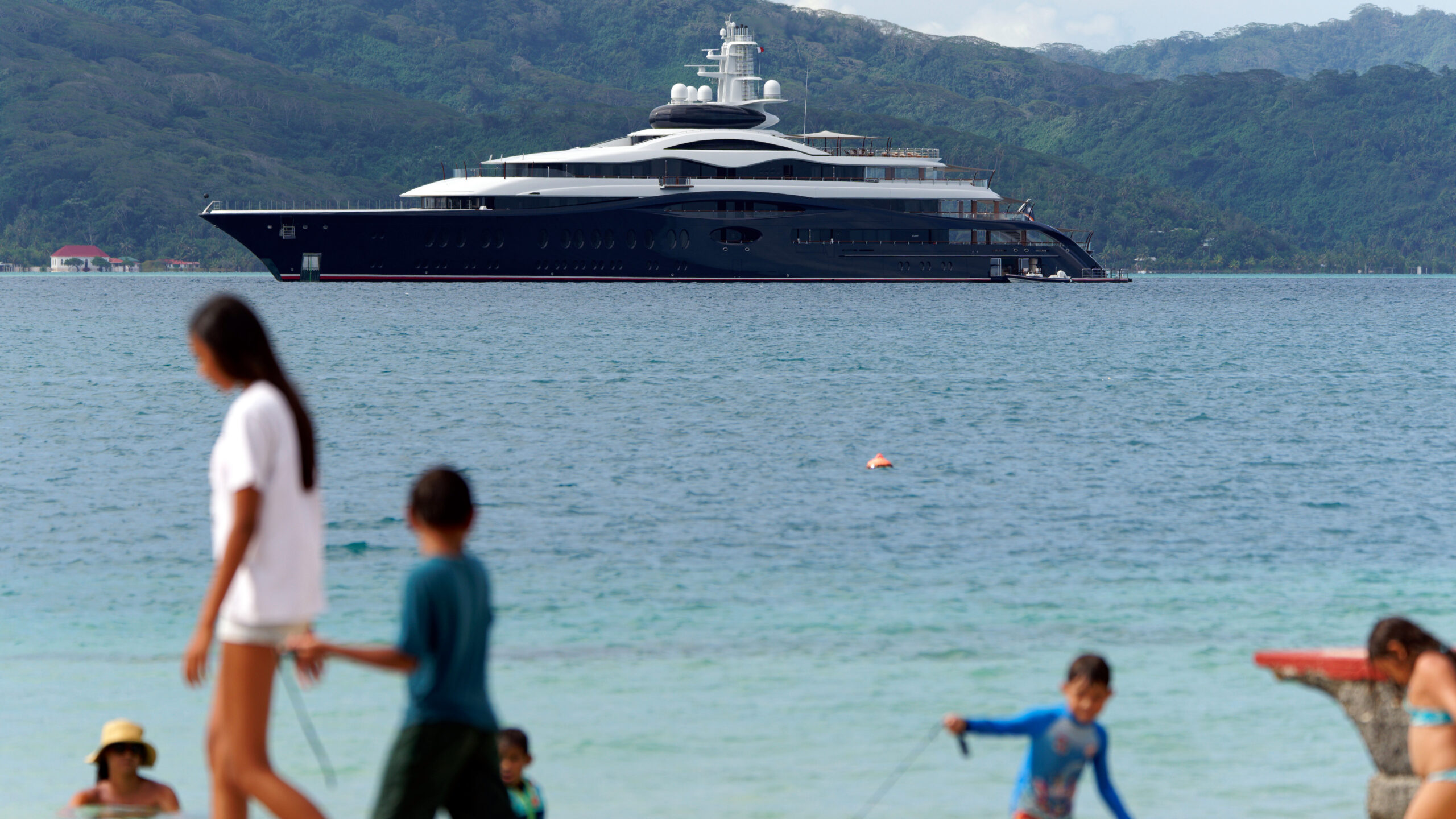
Mark Zuckerberg’s yacht Alaska assistance controversy has a less tidy record than the social-media version: a small skiff that ran out of fuel was towed to safety by the cruise ship Wilderness Legacy, while Zuckerberg’s nearby yacht Launchpad did not take part. The US Coast Guard had classified the case as non-distress before issuing a request for voluntary help, according to reports by Forbes and Newsweek.
The 21-foot skiff contacted the Coast Guard off Southeast Alaska on August 3. The agency received the request at about 9:32 p.m. and, at about 9:56 p.m., determined that the vessel was not in distress, Forbes and Newsweek reported. The Coast Guard then broadcast a marine-assistance request to nearby mariners.
Wilderness Legacy responded, towed the skiff to Farragut Bay and helped refuel it, according to the Guardian and Newsweek. The skiff subsequently reached its destination safely, Newsweek reported.
Did Zuckerberg’s yacht ignore a call for help in Alaska?
Available reporting establishes that Launchpad was in the area and did not assist. It does not establish that its crew deliberately rejected a direct request. A passenger aboard Wilderness Legacy, Michael Love, said on Bluesky that authorities had radioed Zuckerberg’s yacht and that it repeatedly failed to respond. That is an attributed account, not a finding by the Coast Guard.
Vessel-tracking data reviewed by Ars Technica placed Launchpad ahead of Wilderness Legacy and showed the yacht slowing or stopping while the cruise ship appeared to travel to the skiff. Ars Technica reported that Launchpad resumed moving after Wilderness Legacy appeared to return from its assistance operation.
That tracking data can show a vessel’s location and movement. It cannot show what a bridge crew heard over the radio, whether it received a specific transmission, or what decision it made, as the Yahoo-hosted report noted.
What did Launchpad’s crew say?
A spokesperson for Zuckerberg and his wife, Priscilla Chan, told Forbes and the Guardian that the crew had been operating on a different radio channel. By the time it reviewed the Coast Guard contact, the spokesperson said, assistance was already underway. The spokesperson also said Zuckerberg, Chan and their family were not aboard.
Reports say the communication used VHF Channel 16, the emergency channel that vessels are expected to monitor. Ars Technica reported that US radio-watchkeeping rules require vessels equipped with a VHF marine radiotelephone to maintain a Channel 16 watch when that radio is not being used for communication. The record supplied here does not establish Launchpad’s equipment, its watchkeeping practice, or any regulatory finding against its crew.
Was Launchpad required to help?
The Coast Guard’s non-distress determination is the relevant dividing line. A marine-assistance broadcast seeks voluntary help; reporting on the incident distinguishes that from a genuine distress situation, where nearby vessels can face a duty to render assistance when it is safe to do so. The available reports do not show that Launchpad violated such a duty.
This story draws on original reporting from Ars Technica.


