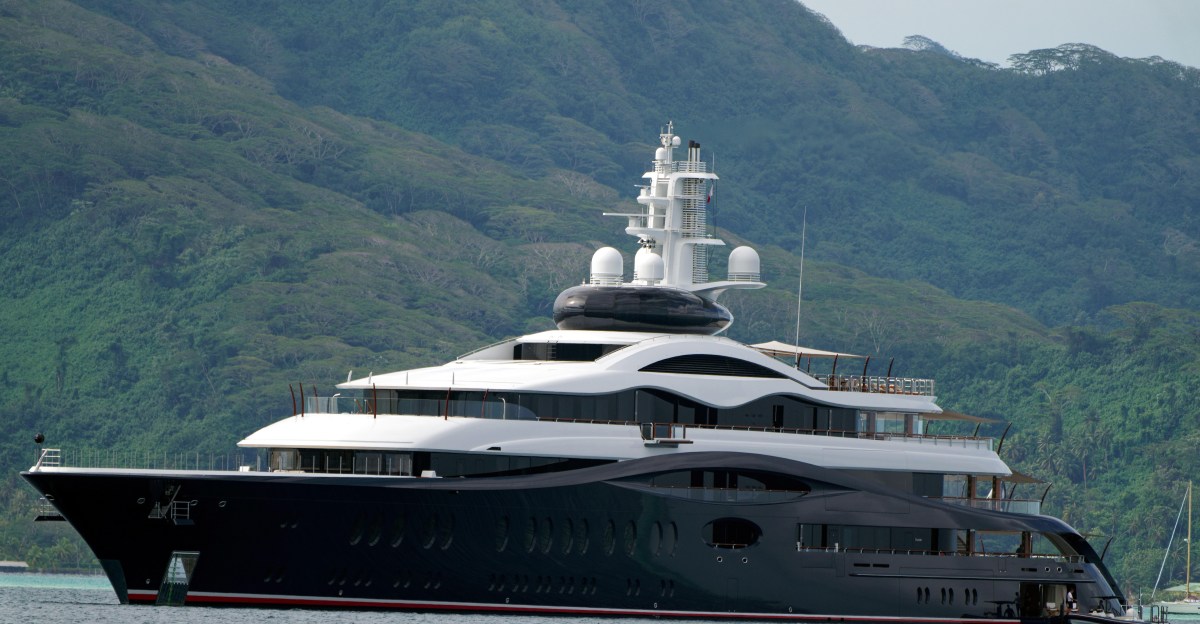
Wilderness Legacy towed and refueled a 21-foot skiff that had run out of fuel in Southeast Alaska on Monday, August 3, while reporting around the Zuckerberg yacht stranded skiff incident placed Mark Zuckerberg's Launchpad nearby. The Coast Guard classified the episode as a non-distress assistance case, a distinction that leaves the popular claim that the yacht ignored an emergency unsupported.
The UnCruise Adventures vessel diverted after the skiff became stranded between Petersburg and Juneau, according to the Alaska Beacon. It towed the boat into sheltered Farragut Bay, where it supplied fuel. UnCruise spokesperson Sarah Scoltock said captain Sean Manske learned the following day that the people aboard had made it safely to Petersburg.
Did Zuckerberg's yacht ignore a distress call?
The available accounts do not establish that. Coast Guard Public Affairs Specialist Shannon Shepard told the Alaska Beacon that the agency received the request shortly after 9:30 p.m. and determined at about 9:56 p.m. that the skiff was not in distress. It then issued a marine assistance request broadcast, rather than a distress alert.
John Hollingsworth, chief operations officer at the Marine Exchange of Alaska, said his organization repeated that broadcast and was able to hail Wilderness Legacy, which rendered assistance.
Michael Love, a passenger on Wilderness Legacy, wrote on Bluesky that the ship's captain told passengers Launchpad had been closer and had not responded. That account reports what Love heard from the captain, rather than a direct record of communications on Launchpad's bridge.
Vessel-tracking data reviewed by the Alaska Beacon showed Launchpad slowing outside Farragut Bay as Wilderness Legacy passed it, headed toward the apparent position of the skiff, and later towed the smaller vessel to shelter. Hollingsworth cautioned that an AIS tracking excerpt supplies only one piece of a situation involving many operational details.
That limitation is doing a lot of work here. AIS data can report a vessel's identity, position, course and speed to equipped vessels and coastal authorities, according to the International Maritime Organization. It can help indicate reported relative movements, but it does not show whether a crew received a radio broadcast, what bridge personnel knew, or why a vessel changed speed or course.
What did Launchpad's representatives say?
Brian Baker, a spokesperson for Zuckerberg and Priscilla Chan, told The Verge that neither was aboard Launchpad during the incident. Baker said the crew saw the Coast Guard contact on a radio channel different from the one it was using, after the assistance operation had already begun.
The confirmed outcome is less cinematic than the online argument: Wilderness Legacy answered the request, brought the skiff to a sheltered area, and provided fuel. Tracking may support that Launchpad was nearby, but it does not settle what its crew heard or did at the time.
This story draws on original reporting from The Verge.