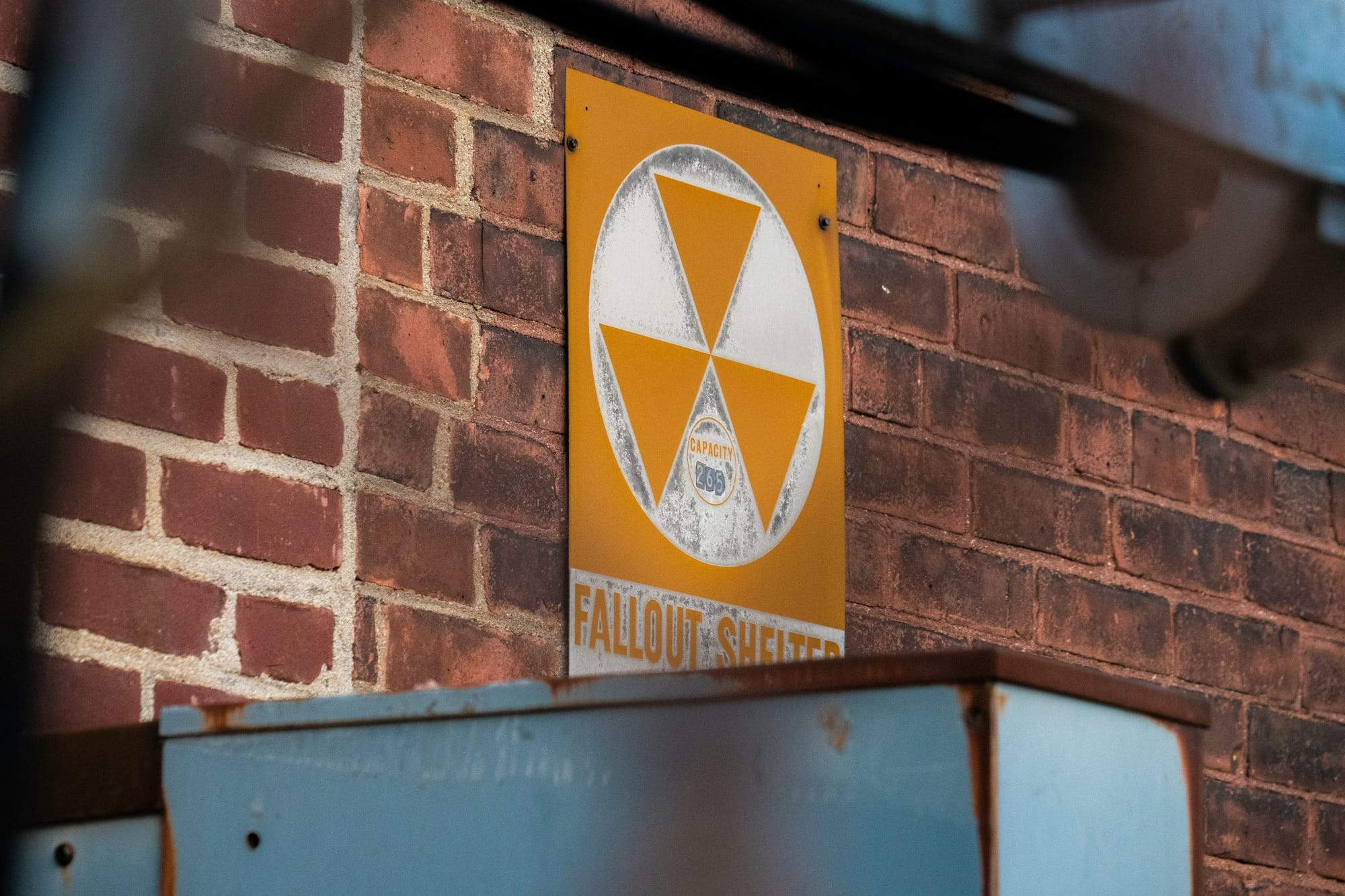
Amble Health is selling a $345 prescription nuclear-disaster kit containing iodine tablets, Prussian blue pills and ondansetron, reported as an anti-nausea drug. The telehealth company calls the package the “Oh Sh*T Kit,” according to 404 Media. The drugs have roles in certain radiation exposures, but they do not turn a consumer box into comprehensive protection from a nuclear blast or every radiological emergency.
A prescription is required, 404 Media reported, and Amble offers online appointments with licensed health-care providers who can issue one. An Amble spokesperson told the outlet that the product is primarily aimed at workers exposed to radiation hazards, rather than people preparing for nuclear war. The spokesperson said Amble’s clinicians had seen demand from patients who wanted medicines on hand if pharmacies were unavailable in an emergency.
What does the Amble nuclear disaster kit do?
Its ingredients map to specific problems, not one catch-all radiation treatment. The World Health Organization lists stable iodine in national radiation-emergency stockpiles because it can prevent or reduce thyroid exposure to radioactive iodine. WHO lists Prussian blue as a decorporating agent, a medicine used to remove radioactive caesium from the body. It also says such stockpiles can include medicines for vomiting, diarrhoea and infections.
That WHO guidance is about how governments and national health authorities acquire, manage and deliver emergency medicines. It does not recommend that households purchase Amble’s product. WHO’s list also includes calcium- or zinc-DTPA for internal contamination with transuranium radionuclides, plus cytokines for bone-marrow damage in acute radiation syndrome. The three medicines reported in Amble’s kit are not presented in the available evidence as a complete radiation-treatment package.
Alex Wellerstein, a nuclear-war historian and Stevens Institute of Technology professor, called the kit overpriced in comments reported by 404 Media. He said iodine tablets may help after a release of fresh fission products by reducing the thyroid’s uptake of radioactive iodine. He also said Prussian blue is the sort of treatment that should be administered by a doctor with the required dosage known.
What should people do after a nuclear detonation?
The International Commission on Radiological Protection’s guidance begins somewhere less marketable and more concrete: get into the center of a substantial building or a basement, placing as much material as possible between yourself and radioactive material outside. After a detonation, the organization says people may have 10 minutes or more to reach adequate shelter before fallout arrives.
For the first 12 to 24 hours, ICRP advises staying in the most protective location unless an immediate danger, such as fire or collapse, forces a move, or authorities say it is safe to leave. People who may have encountered fallout should remove contaminated outer clothing and footwear, then wipe or wash exposed skin and hair. Listen to available media for official instructions; ICRP strongly discourages self-evacuation before hazardous areas and safe routes are identified.
Standard household preparedness guidance focuses on supplies used across many emergencies. Ready.gov recommends water, nonperishable food, a battery-powered or hand-crank radio, a flashlight, first-aid supplies, batteries, sanitation items and protected supplies of existing prescription medicines. ICRP’s public guidance begins with shelter, decontamination and directions from authorities.
This story draws on original reporting from 404 Media.