Several U.S. jurisdictions that have ended or moved away from Flock Safety are adopting Axon license plate readers instead. The decisions change the vendor and, in some cases, the available data-sharing architecture. They do not amount to a general retreat from automatic license plate reader surveillance.
Syracuse offers the clearest recent example. Its Common Council voted 7-1 in February to approve an Axon Enterprise contract for the police department, which had used Flock cameras since summer 2024, according to Central Current. The outlet reported that council members examined Axon contract terms governing data sharing and ownership after earlier concerns over the handling of Syracuse driver-location data.
Denver City Council then approved a one-year Axon replacement contract by a 7-6 vote in March, according to 404 Media. The deal covered 50 cameras, fewer than half the number of Flock cameras previously in use. Before the vote, the ACLU of Colorado said the proposed $150,000 system would replace a 111-camera Flock deployment whose contract was set to expire March 31.
404 Media also reported transitions or approvals involving Axon in Grand Chute, Wisconsin; Ferndale, Michigan; and Longmont, Colorado. In Grand Chute, the outlet said repeated problems with Flock accelerated a move officials were already considering. Ferndale cited privacy concerns and unauthorized-agency access to images in its Flock network, according to a city document described by 404 Media.
How do Axon license plate readers differ from Flock?
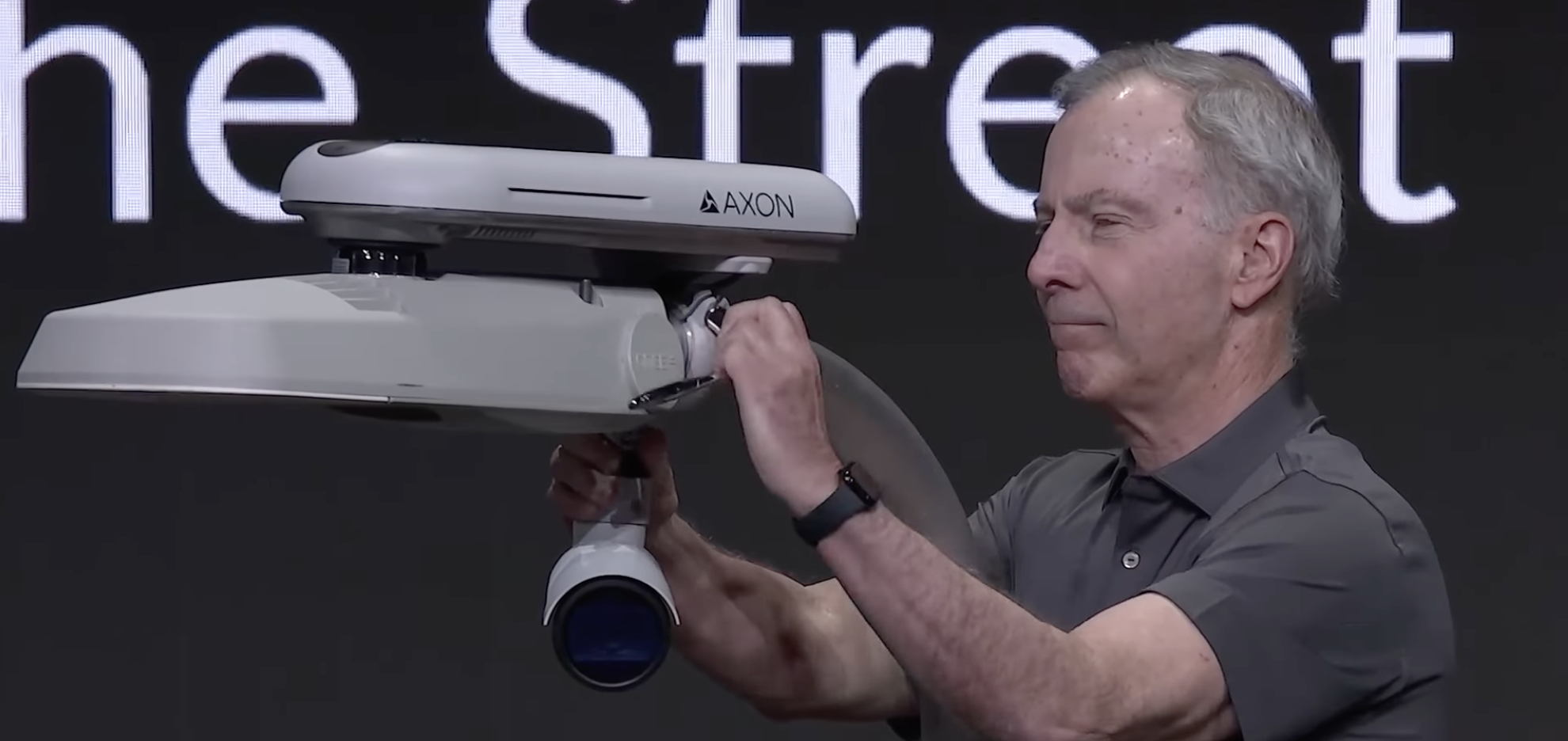
An automatic license plate reader photographs passing vehicles and extracts a plate number, often alongside vehicle characteristics such as color, make and model. Police can then search the resulting records during investigations. Axon markets its Outpost hardware as combining plate reading, livestreaming and vehicle-attribute recognition; the company says it can be installed on poles, buildings, vehicles, trailers or trees.
The consequential difference cited by officials is Flock's national lookup network. NPR reported that Flock operates a nationwide data network that police agencies can query outside their own city limits. Flock told NPR that its customers control whether and with whom information is shared, and said it had strengthened sharing controls, oversight and auditing.
Axon has no equivalent national network, according to 404 Media and a Ferndale government document. That limits a nationwide search function, but it does not mean data cannot leave an agency. Police departments using Axon can make sharing agreements with one another, 404 Media reported. The privacy result therefore depends on the rules a locality adopts for collection, retention, access, audits and interagency sharing, as well as how those rules are enforced.
Why are cities replacing Flock rather than ending plate readers?
Concerns about data sharing and possible federal immigration-enforcement access have driven many of the disputes. NPR reported that some officials learned their Flock data had been shared more broadly than they understood, including searches by federal agencies such as U.S. Border Patrol. In Denver, the ACLU of Colorado said its review of audit logs showed searches of Denver data by ICE or law enforcement acting for ICE, an advocacy group's account that has not been independently assessed here.
Critics say a vendor swap does not resolve the underlying surveillance questions. The Denver coalition urged rules covering retention, outside access, oversight and public input before the city proceeded. Syracuse activists likewise objected to the Axon deal, according to Central Current. Their point is not a technical mystery: replacing one database and camera platform with another leaves municipalities to decide who gets to search records of where cars have been.
This story draws on original reporting from 404 Media.