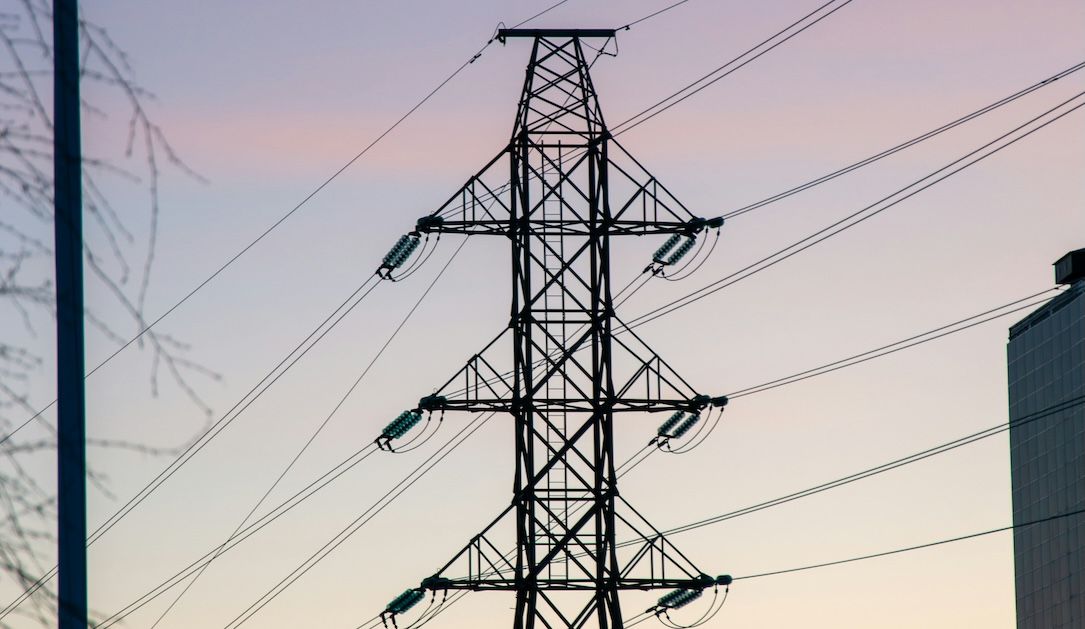
Finland's national grid operator Fingrid will disconnect a Finland Russia fiber link when its lease expires, cutting another cross-border system that outlived the electricity trade it was built to support. The operator told Recorded Future News that the telecommunications connection will be taken out of service at the end of the current agreement, which Kommersant reported runs out at the end of the year.
The link sits in the leftover machinery of a power relationship that largely ended after Russia's full-scale invasion of Ukraine. Fingrid said the telecom connections were part of the cross-border electricity transmission setup between Finland and Russia. That electricity connection stopped operating in 2022, and Fingrid said the physical power infrastructure has since been dismantled.
Finnish officials have not given a public figure for how much internet traffic uses the affected route. Fingrid's read is that the practical effect should be small. A spokesperson told Recorded Future News that, to the company's knowledge, the decision will have a “very limited” impact on telecommunications connectivity between the two countries.
What happens to the Finland Russia fiber link?
The fiber link is being removed from service because the lease tied to the former power transmission route is ending. In plain terms, the cable used telecom equipment carried on or associated with electricity transmission infrastructure, and Fingrid no longer plans to keep that arrangement alive after the power link was shut down.
Finnish newspaper Helsingin Sanomat reported that one fiber-optic cable is affected. Kommersant, the Russian business daily, had earlier reported that multiple cables could be disconnected, citing unnamed telecommunications industry sources.
Kommersant said Fingrid had warned Russian telecom operators that it would stop maintaining power transmission towers that carried fiber-optic communications infrastructure. The paper also reported that operators were discussing alternative paths with Finnish telecommunications companies. Recorded Future News said it could not independently verify Kommersant's reporting.
Rosseti, Russia's state-owned grid operator, told Kommersant that the Russian-controlled section of the cross-border transmission line has operated under restrictions since 2022 and has not carried electricity. Rosseti said the infrastructure would be used instead for domestic electricity-sector purposes, and that it had not received information about the state of the Finnish section.
How much could internet connectivity be affected?
Kommersant reported that losing the route could reduce redundancy for international internet traffic serving northwestern Russia. Redundancy is the unglamorous part of networking that keeps packets moving when one route fails, usually by giving carriers several physical paths instead of one brittle dependency.
Industry sources cited by Kommersant said the overall connectivity impact is expected to be limited because traffic can be sent through other international links. The alternatives named in the report include routes through Belarus, the Baltic states, and submarine cables in the Baltic Sea.
Before the electricity trade was halted, Fingrid operated three 400-kilovolt lines and two 110-kilovolt lines between Finland and Russia. Kommersant reported that those connections carried 9.1 terawatt-hours of electricity imports into Finland in 2021. Fingrid is half owned by the Finnish state, with the rest held by financial and insurance institutions.
The shutdown lands in a colder political climate. Relations between Finland and Russia worsened after Moscow's full-scale invasion of Ukraine and Finland's decision to join NATO. Finnish authorities have repeatedly warned about Russian influence activity and sabotage risks against critical infrastructure, including telecommunications networks and undersea cables. Finland's Security and Intelligence Service said in 2023 that the Kremlin now considers Finland a hostile country.
This story draws on original reporting from The Record.