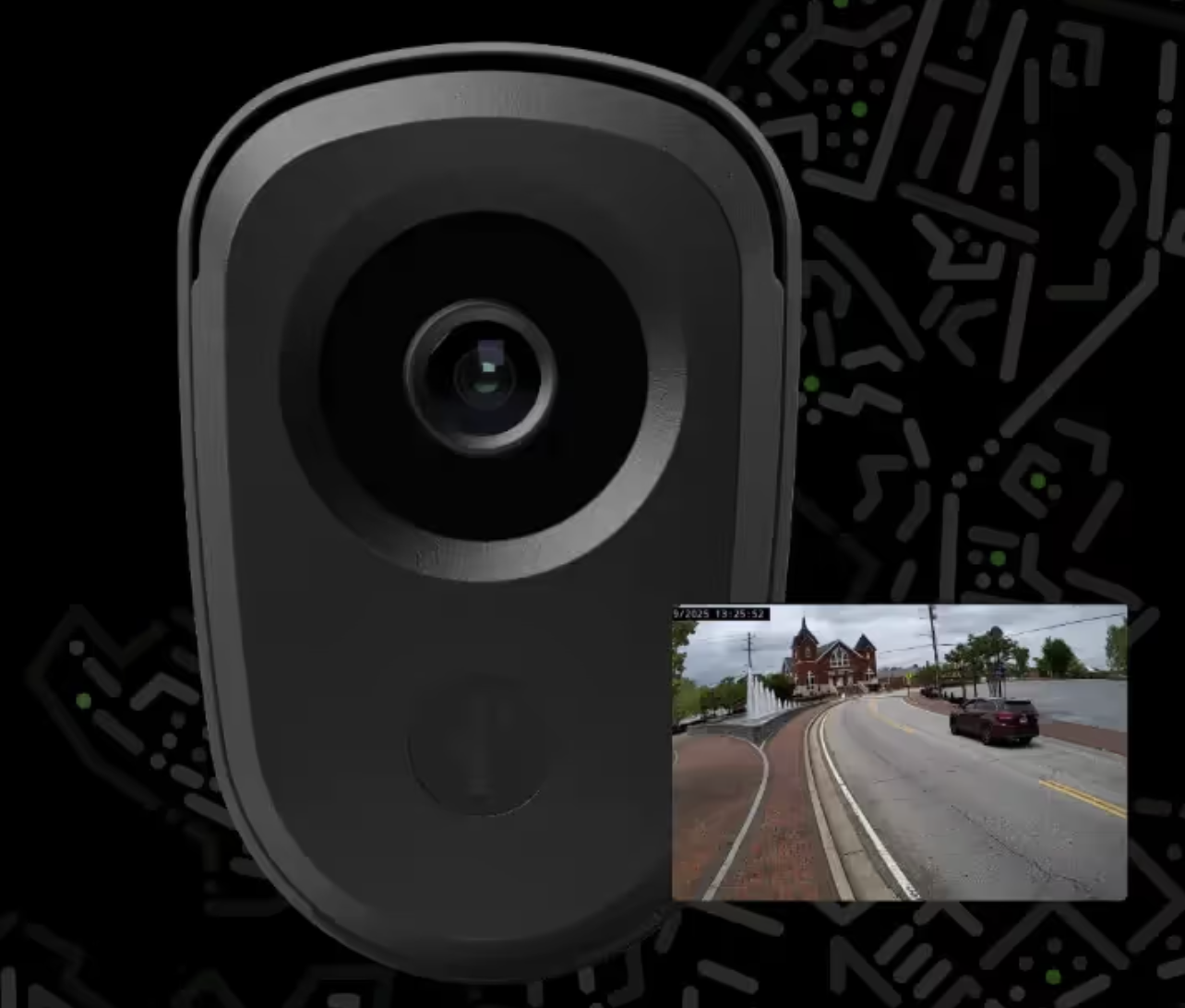
Flock ALPR video capabilities are under fresh scrutiny after CEO Garrett Langley told ABC7 that the company’s automated license plate readers take only a still image of passing cars, even though Flock has spent the past year promoting video features for those same cameras.
Langley made the comments after the Los Angeles Police Department let its contract with Flock expire. Speaking to ABC7, he said the public misunderstands the technology and described the system as a camera that captures a static picture of a vehicle, reads the plate and stops there.
That description sits awkwardly next to Flock’s own marketing. In company blog posts, sales pitches and a now-deleted product launch post, Flock said its license plate reader cameras could be upgraded to stream live video and capture clips. Flock did not immediately respond to a request for comment.
Can Flock ALPR cameras record video?
According to Flock’s own published materials, yes, at least as a product capability the company has advertised. A June blog post titled “Why video is the missing link in your LPR program” said existing Flock license plate readers would be able to stream live video and record clips through a free, optional software update, using the same lens, angle and field of view as the plate reader.
The same post said fixed live video was “coming to all LPR cameras” for free by the end of 2025. That claim is broader than Langley’s ABC7 explanation, which presented the core technology as a still-photo plate reader.
Flock also described the feature in a deleted product launch blog post preserved online. In that post, the company wrote that license plate reader cameras could become video cameras and framed the change as a software update to its national camera network.
Bailey Quintrell, Flock’s chief strategy officer, was quoted in that launch post saying customers would not need to do anything or pay anything because Flock would push the update through the cloud.
What Flock executives have said before
Langley himself previously discussed real-time video access in an interview with Forbes last year. He described a scenario in which police could open the five nearest cameras in real time to see what was happening.
That is materially different from a system that only takes a single still image when a car passes. The discrepancy leaves two plain possibilities: Langley narrowed the description for a local TV audience, or Flock has changed the feature’s status without publicly explaining the rollback. Flock has not provided an answer.
Records show one police department used the feature
Public records obtained by Dunwoody, Georgia activist Jason Hunyar add another piece of evidence. Text messages between Flock employee John Watson and a Dunwoody police officer from January show Watson asking whether the department could livestream LPR video.
The officer replied that it could, according to the records. In the exchange, the officer said the feature had been active for about a month, described it as useful for incidents despite narrow viewing angles, and said they had been working with Vijay Dhamija, Flock’s director of product, on it. Watson then asked about stability problems, and the officer said they had not noticed any.
The dispute is not semantic. A still-image plate reader and a live video camera raise different operational and privacy questions for cities buying the system and residents being recorded by it. Flock’s public materials said the upgrade could turn plate readers into video cameras. Its CEO has now told Los Angeles viewers the technology is a static-photo system.
This story draws on original reporting from 404 Media.