Flock Nexar Uber Lyft plan documents describe a proposed dashcam partnership that could have turned vehicles used for rideshare and delivery work into mobile collectors of license-plate data. Flock Safety told 404 Media that the partnership with dashcam company Nexar was never executed, a distinction doing rather a lot of work here.
The presentation, which 404 Media reported was prepared by Flock for the Georgia Office of the Attorney General, referred to a Nexar partnership involving “350k Uber/Lyft and other delivery service devices.” Dunwoody, Georgia, resident Jason Hunyar obtained the presentation through a public-records request and shared it with 404 Media.
The document establishes that Flock pitched the proposed arrangement. It does not establish that Uber, Lyft, Nexar, any drivers, or the platforms agreed to it or knew of it. Uber, Lyft and Nexar did not respond to 404 Media’s requests for comment.
How would the proposed Flock and Nexar partnership have worked?
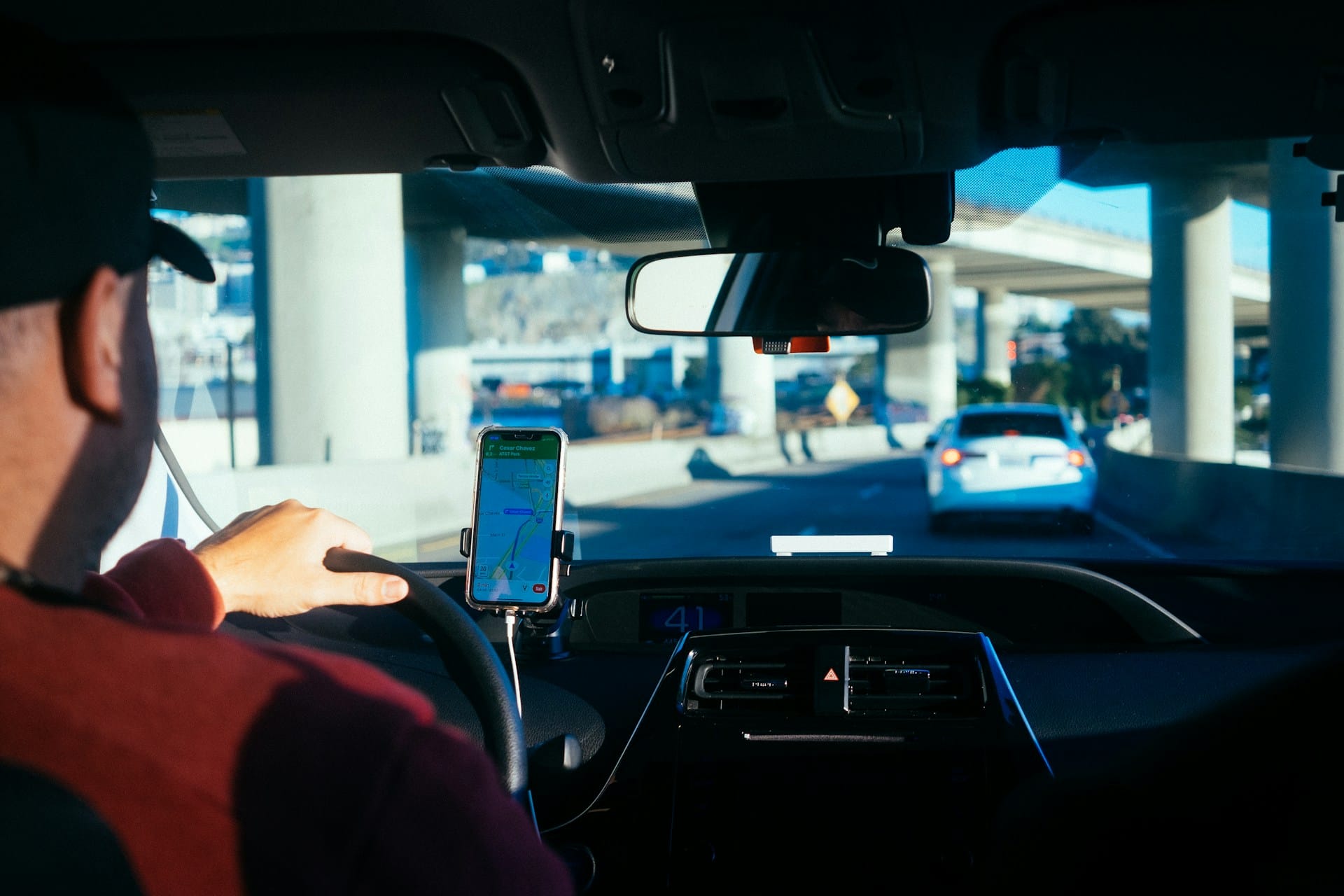
Flock’s usual automatic license-plate-reader cameras are fixed installations. They scan vehicles passing a particular point. The proposed arrangement would instead have used Nexar dashcams in moving cars to capture plates encountered while their drivers traveled, extending collection beyond pole-mounted cameras.
Automatic license-plate readers do more than read the text on a plate. A Flock representative told PBS NewsHour that its systems identify a vehicle’s make, model, color, plate and plate state, along with the time and location of the observation. PBS reported that Flock stores the records in a searchable cloud database for 30 days.
Nexar sells dashcams with forward-facing, cabin and rear views, according to 404 Media. Its website says its cameras can capture license plates in full-HD video, and the company markets products to rideshare drivers as well as commuters and other motorists. That hardware capability helps explain the pitch. It is not proof that Nexar’s customers supplied Flock data.
Why a mobile plate-reader network would differ from fixed cameras
A fixed plate reader covers traffic at the place where it is installed. Cameras inside vehicles would gather observations as their vehicles move. Other companies already use vehicle-mounted plate-reading systems in some police cars and in vehicles operated by repossession agencies, 404 Media reported.
Flock and police departments characterize license-plate-reader systems as tools for recovering stolen property, finding missing people and investigating crimes. PBS reported that critics warn the technology’s expansion can create a nationwide surveillance network. Those are competing claims about the systems’ effects, not proof that the unexecuted Nexar proposal became an operating program.
The unanswered questions are basic: whether a revised arrangement was ever pursued, what notice or consent drivers and riders would have received, and what retention or access rules would have governed any data. The available evidence answers only the first part of the story: Flock pitched a proposed partnership, and says it did not carry it out.
This story draws on original reporting from 404 Media.