Flock privacy controls are being tightened after reporting documented allegations that police officers used the company’s license-plate reader system to follow romantic partners and other people for personal reasons. Flock Safety says every customer must use its Audit Assistance feature by the end of the year, and that it will suspend a user account automatically while flagged activity is reviewed.
The change adds a mandatory layer to a tool that Flock says identifies unusual activity within an agency and sends it for review. It does not, from the information released so far, say who conducts that review or how the system determines that activity is abnormal.
Flock also plans to require officers to enter a case code tied to an investigation before searching its system. The company had made case-code entry optional when it introduced the feature in July 2025. Officers may bypass the requirement during emergencies, according to The Record.
What do Flock privacy controls change for police searches?
The measures operate at three points in the system: documenting a reason when an officer searches, flagging potentially abnormal use after the fact, and limiting which outside agencies can query a customer’s data. Customers can set sharing rules that permit searches for missing-person investigations while excluding immigration-enforcement-related requests, Flock said.
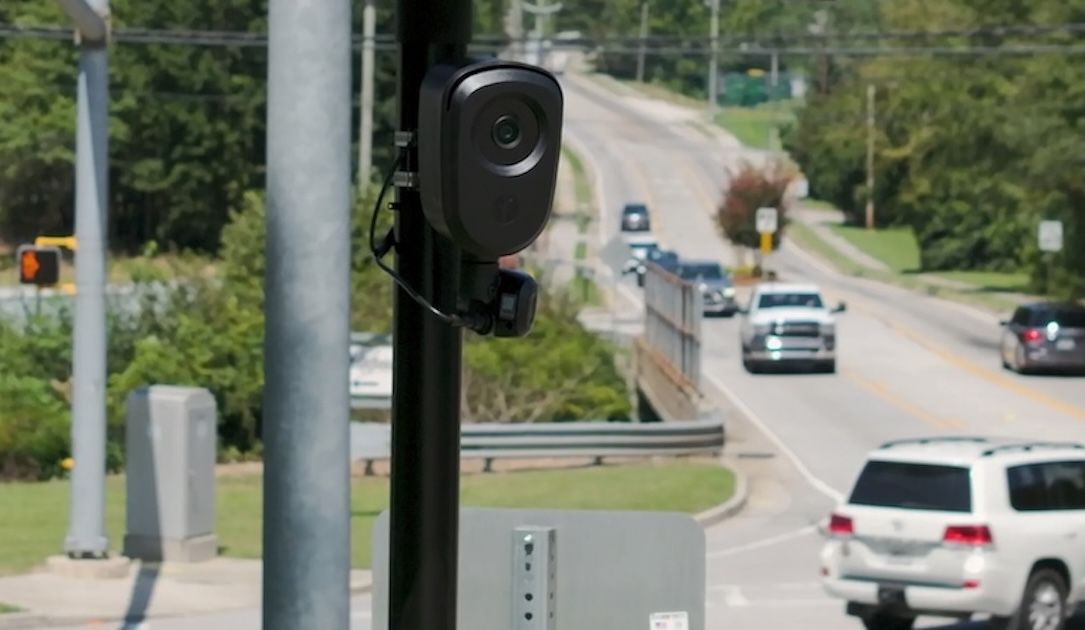
Automated license-plate readers are fixed or vehicle-mounted cameras that record plate images and other identifying vehicle details in a database. As CNN reported, agencies can receive alerts when a vehicle on a hotlist passes a camera, search a particular plate’s recent movements, and share records with other departments.
The announced controls therefore create records and policy gates. They do not establish whether a system can independently determine that an officer’s case code or stated purpose is genuine. Chad Marlow, senior policy counsel at the American Civil Liberties Union, said prior purpose-entry requirements had been easy for users to evade. An officer can type an investigative rationale; the available details do not show a mechanism that checks it against the facts of an investigation.
Flock described the changes as part of its commitment to safety and privacy. Marlow called much of the announcement a public-relations exercise, while identifying one proposed retention change as a possible improvement: reducing the standard period for license-plate search data from 30 days to seven, except when records are kept as evidence in an investigation.
Why is Flock changing its rules now?
The policy shift follows a series of reported misuse cases. The Record reported that a New Bedford, Massachusetts, officer was accused in court of using Flock technology to stalk an ex-girlfriend, and that three Georgia sheriff’s deputies were arrested in a separate case. CNN separately reported criminal-complaint allegations involving Milwaukee officers, including one officer who agreed to resign and plead guilty to attempted misconduct in public office.
The nationwide figures vary by what is being counted. The Record cited Washington Post reporting that at least 50 officers had been charged with misusing Flock tools, while CNN cited an Institute for Justice tally of at least two dozen cases involving officers arrested or resigning over alleged stalking misuse. Those are not interchangeable totals.
Flock says it has about 120,000 readers and contracts with more than 7,000 organizations, figures reported by The Record that remain company claims. Research on whether automated plate readers improve crime-solving overall is limited, and CNN said a recent study of Atlantic City police use found mixed results.
This story draws on original reporting from The Record.