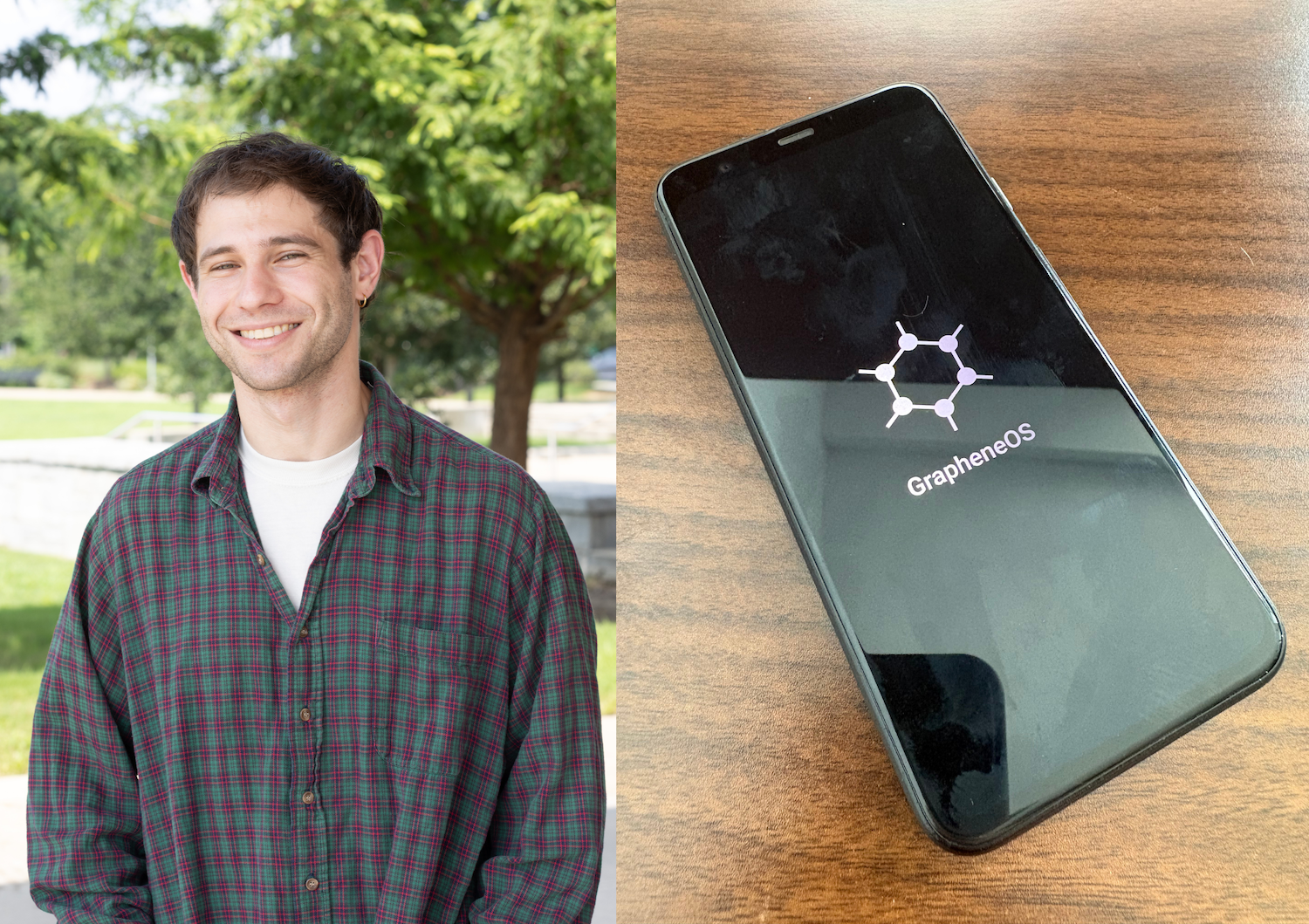
The GrapheneOS phone wipe charge against Samuel Tunick has become a test case for privacy advocates after federal prosecutors accused him of destroying the contents of a Google Pixel phone during an airport encounter, according to 404 Media.
Tunick, who took part in the Stop Cop City movement in Atlanta, told 404 Media on Tuesday that the case is meant to discourage activists from using privacy protections. Speaking with his federal public defender, Matthew Dodge, Tunick said the government wants to set a precedent that people have no right to keep their data private.
The charge carries a maximum sentence of five years in federal prison, 404 Media reported. The U.S. Department of Homeland Security and the U.S. Attorney’s Office did not respond to 404 Media’s request for comment.
Why was Samuel Tunick charged over a GrapheneOS phone?
Dodge said the encounter began in January 2025, when Tunick was returning to the United States from a vacation in the Dominican Republic. According to Dodge, DHS officers alerted airport officers in advance that Tunick would be arriving and wanted them to seize and search his phone.
Dodge said officers asked to search Tunick’s bags, and Tunick refused. They searched anyway and found nothing unlawful, he said. Officers also searched Tunick’s body after he declined a pat-down and found nothing improper, according to Dodge.
The phone then became the focus. Dodge said Tunick repeatedly asked for a lawyer and declined to consent to a phone search. Officers eventually asked for the device and, according to Dodge, framed the request as a search for child abuse imagery.
Tunick provided a code, Dodge said. An officer entered it. Instead of unlocking, the phone went blank and displayed the GrapheneOS logo, according to Dodge. Tunick left the airport after the device became inaccessible. About a year later, he was indicted for allegedly destroying the phone’s digital contents.
What is the GrapheneOS duress password?
GrapheneOS is a security-focused mobile operating system for Android devices. Its duress password feature is designed to erase a device when a specific password is entered, and the project’s website says the wipe is irreversible.
Daniel Micay, the founder of GrapheneOS, directed 404 Media to a recently published explanation of the operating system’s protections against data extraction from locked devices.
Dodge told 404 Media he found only one other case using the same law, and that case involved a drug trafficking investigation. He called Tunick’s prosecution “extraordinarily rare.” Dodge also argued that officers forced the confrontation at the airport because ordinary phone searches generally require a warrant, while border searches can have weaker protections.
Tunick connected the prosecution to broader law enforcement action against activists. He cited the Stop Cop City prosecutions in Georgia, including RICO charges against dozens of people, with 61 later dropped, while some defendants still faced domestic terrorism charges. Tunick said that case listed him as an unindicted co-conspirator.
Tunick also told 404 Media he had been subjected to other investigative pressure before the airport stop. He said he failed a background check for a Christmas tree lot job despite having no criminal record, was later told to contact the FBI, learned from his lawyer that a tracker had been placed on his car, and received notice that his phone and Gmail records had been subpoenaed.
He said the charge initially shocked him, then fit what he described as a wider pattern of government pressure on activists. Tunick told 404 Media he hopes others do not accept the case as a precedent for punishing people who protect their data.
This story draws on original reporting from 404 Media.