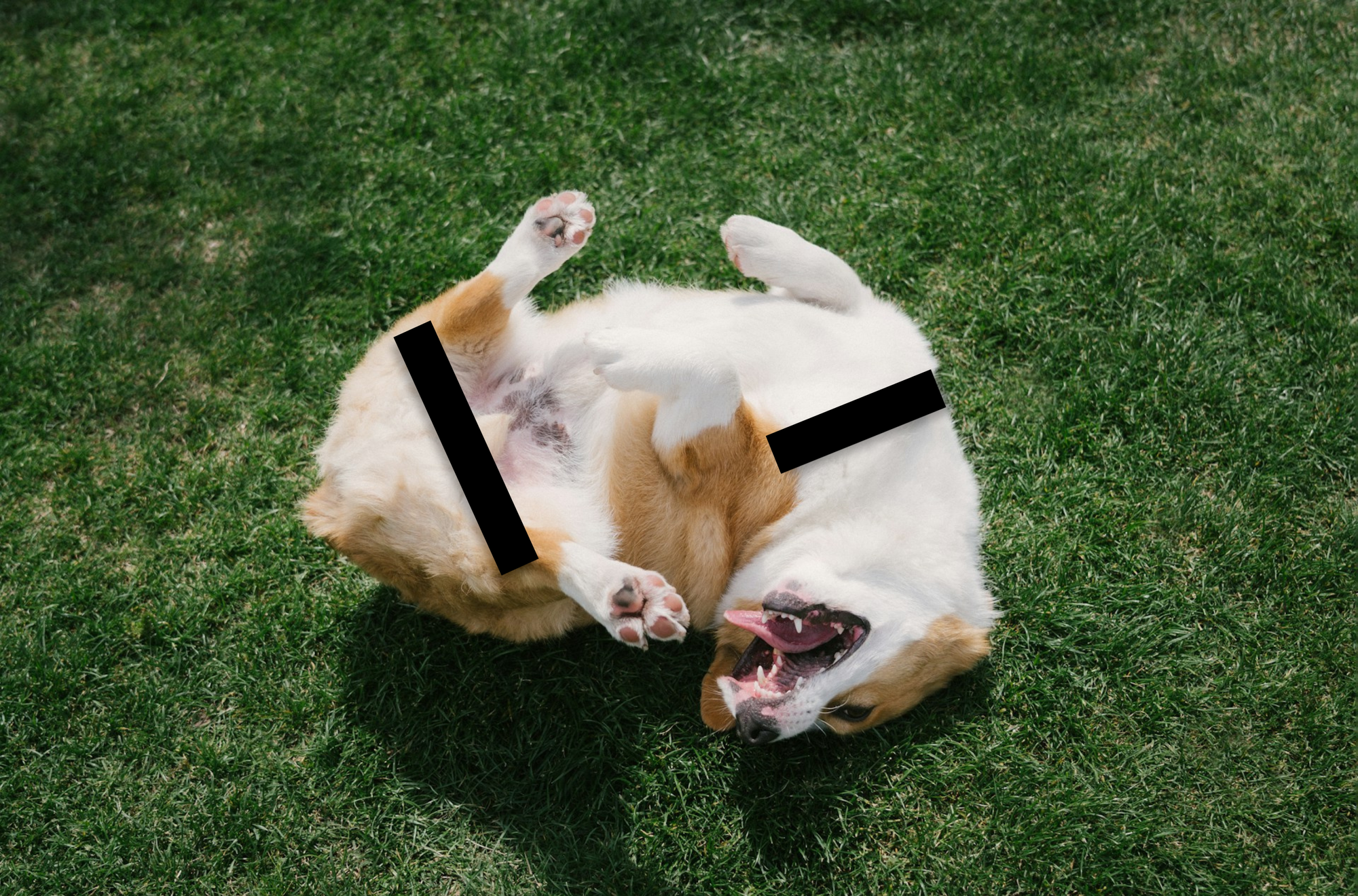
Apple’s iMessage Sensitive Content Warning blurred a video of a dog lying on her back while being petted, according to 404 Media, forcing the recipient to tap through a “This may be sensitive” notice before viewing it.
The video showed the dog from head to belly, including visible dog nipples. That was apparently enough for Apple’s nudity-detection feature to treat the clip as potentially explicit. The result was a very Apple kind of failure mode: a privacy feature doing local machine-learning judgment calls, then solemnly redacting a pet.
The feature is meant for a more serious use case. Apple says Sensitive Content Warning can warn users before they open photos or videos that may contain nudity, giving people a chance to avoid unwanted explicit material.
Why does iMessage flag dog photos as sensitive?
Apple says the feature uses on-device machine learning to analyze images and videos for possible nudity. Machine-learning classifiers can make bad calls, and the dog clip appears to be one of those false positives: the system saw an animal body and treated it like content the user might want blurred.
Apple’s support page says: “Sensitive Content Warning lets you receive warnings about photos or videos that might contain nudity before viewing them.” The company also says the analysis happens on the user’s device, not on Apple’s servers.
According to Apple, the company does not receive a signal that nudity was detected and does not gain access to the photos or videos because of the feature. Users can turn Sensitive Content Warning off in settings.
Apple introduced the feature in iOS 17, according to MacRumors. The broader idea is contentious because it involves scanning message content, even if Apple says that scanning is performed locally. That distinction matters: on-device analysis limits what Apple says it can see, but it does not prevent the software from making awkward or wrong classifications on the device itself.
The dog video is not the only animal-related complaint. In a May 2025 Apple forum post, a user asked why a dog photo triggered a sensitive content warning in iMessage. The poster said they tried to send three photos to a group chat, received a warning after pressing send, and found that one image of their dog’s body had been flagged while the other two were not. The user described it as a false warning and said they wanted to report the issue.
A separate Apple forum post from October 2024 described a deer photo from a trail camera being flagged as possibly sensitive. The poster said a pop-up appeared asking whether they wanted to send the image.
Those examples do not show how often the feature misfires. They do show the edge case plainly enough: Apple’s local nudity classifier can mistake ordinary animal imagery for sensitive material. That is less alarming than a cloud scan of private messages, but it is still a reminder that “on device” does not mean “correct.”
Apple did not respond to 404 Media’s request for comment.
This story draws on original reporting from 404 Media.