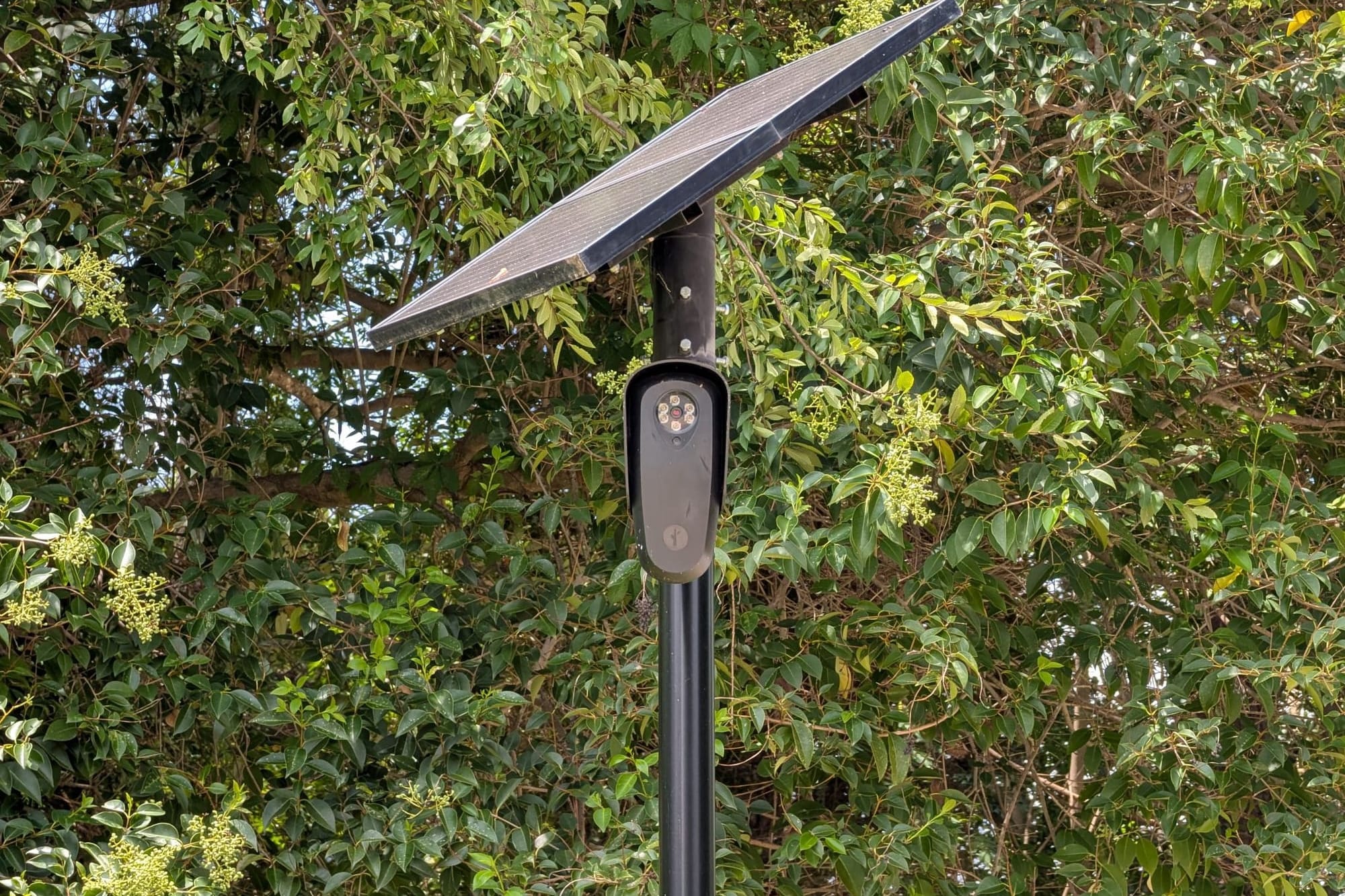
Irmo, South Carolina, is adding 22 Flock license-plate reader cameras after residents warned town leaders that the system expands police surveillance, creates data security risks and has produced bad stops elsewhere.
The town council voted 4-1 on Tuesday night to approve the expansion, according to 404 Media journalist and Irmo resident Matthew Gault, who attended and spoke at the meeting. The new cameras will bring Irmo’s Flock total to 33 in a town of roughly 12,000 people, or about one camera for every 300 residents. Gault reported that the town will have more Flock cameras than police officers.
Flock’s cameras read license plates and log vehicle details such as make, model and distinguishing marks. The system can connect local searches to wider Flock networks, depending on how an agency configures access. That means a search by one police department may reach data collected outside its jurisdiction, and other agencies may be able to query local data.
More than 10 residents spoke against the Irmo expansion, Gault reported. Their objections centered on whether the town needed a denser camera network, whether residents had been asked before earlier cameras were installed, and how officials would prevent misuse.
Police chief argued the cameras help solve cases
Irmo Police Chief Bobby Dale has supported adding more cameras. He told local outlet News19 that 33 cameras would let police monitor town entry points and said the readers help officers solve crimes faster.
At the council meeting, Dale cited an internet crimes against children operation in which 15 adults came to Irmo believing they would meet children for sex, according to Gault’s account. Dale said 14 of the suspects were from outside Irmo. One resident objected from the back of the room and was escorted out after Mayor Bill Danielson ordered police to remove him, Gault reported.
Danielson told the meeting he had recently attended the Municipal Association of South Carolina’s annual conference and had spoken with other mayors about license-plate readers. He said the local officials he spoke with either used Flock, wanted it or wanted to expand it. He also referenced Greer, South Carolina, where two officers were fired after using Flock to track people around town, and said similar conduct in Irmo would lead to firing and possible charges.
Critics pointed to security failures and false stops
The objections were not theoretical. 404 Media has reported that Flock exposed some law enforcement search information in search engine caches, including plate numbers and search terms. It also reported that 60 Flock Condor cameras were left accessible on the open internet, allowing viewing, archive downloads and settings changes without a username or password.
Gault said he found Irmo police search activity in audit logs from agencies in other states, including Twin Falls, Idaho, as well as agencies in Georgia, Connecticut, Pennsylvania and California. He said those records showed at least 7,576 Irmo searches of Flock networks since 2023.
Other cities have pulled back. The Los Angeles Police Department said it would not renew its Flock contract after an internal audit found 161 false stolen-car accusations tied to the system and warned that such errors could damage public trust. Bandera, Texas, voted to remove its cameras after resident opposition. Dayton, Ohio, has covered cameras with black trash bags while it tries to get out of its contract, according to 404 Media.
Irmo may go further than fixed license-plate readers. Gault reported that if the town obtains state funding, it may also buy a Flock drone for the company’s “drone as first responder” program.
This story draws on original reporting from 404 Media.