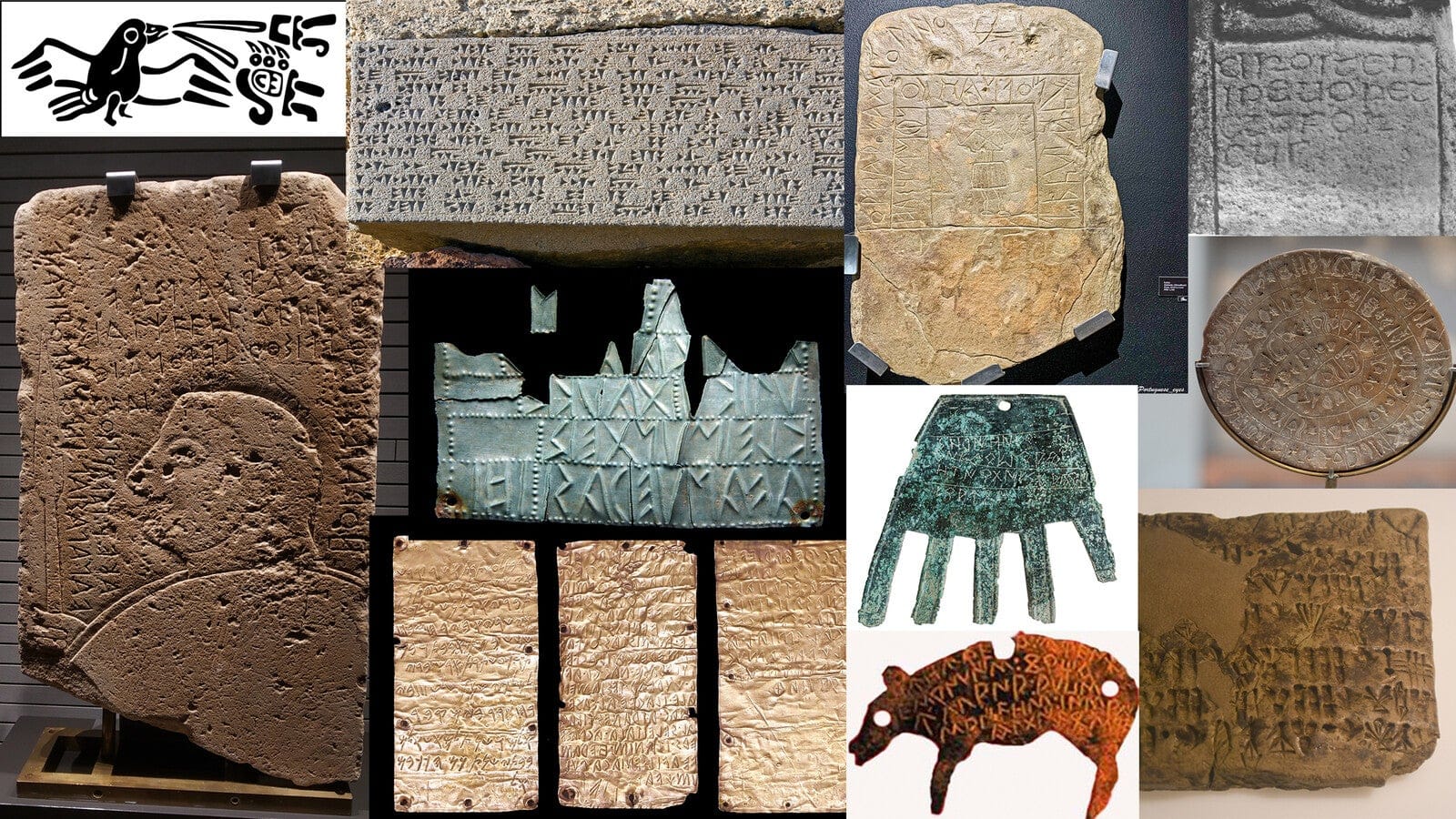
A language diversity golden age appears to have run from about 3,000 to 1,000 years ago, according to a new study in Science that tries to reconstruct how many languages humans spoke across the Holocene. The estimate is startling: researchers led by Damián Blasi of Pompeu Fabra University in Barcelona found that the world may have had tens of thousands more languages than it does today.
The team modeled language diversity from the rise of agriculture, which began around 12,000 years ago after the Ice Age, through the present. Their reconstruction suggests that language counts rose dramatically as farming and animal domestication expanded populations and changed social organization, then began falling fast over the past two millennia.
How many languages did humans speak at the peak?
Blasi and colleagues reported that linguistic diversity may have reached about 75,000 languages around 2,000 years ago. That figure is a model result, not a census from a lost archive, because most of those languages left no written record.
For comparison, the study says roughly 7,500 languages are spoken today. Before agriculture, when the global human population is estimated to have been between 4.4 million and 7 million people, the researchers estimate humans spoke about 4,500 to 6,000 languages.
That preagricultural estimate comes from a deliberately indirect method. The researchers used 171 modern hunter-gatherer groups as rough stand-ins for how small populations may have been distributed before farming, then inferred likely language diversity from those patterns. It is an imperfect proxy, as all proxies are, but it gives the model something firmer than vibes to start from.
The team then ran thousands of simulations to test how languages might split, spread, or disappear as domestication increased population sizes and made societies more complex. The results clustered around the same broad story: language diversity rose for millennia, peaked in the relatively recent past, and then declined sharply.
Why did language diversity start falling?
The study points to political and demographic consolidation. Over the past 500 years, colonialism accelerated language loss as globally dominant languages such as English, Spanish, Mandarin, and Hindi expanded at the expense of smaller ones, according to the researchers.
But Blasi’s team argues the downturn began earlier. The model indicates that diversity was already shrinking at least 1,000 years ago, before modern colonial empires, as smaller multinational empires formed and more people came under the reach of fewer administrative, commercial, or prestige languages.
The researchers describe the last two millennia as an unusually rapid contraction in linguistic diversity. That matters because a language is rarely just a word list with grammar attached. The paper notes that languages are often inherited alongside marriage rules, religious practices, kinship systems, and forms of social organization.
In other words, when languages disappear, the loss can track a wider erasure of cultural variation. The study’s claim is not just that humans used to speak more ways. It is that a recent mass extinction of languages may also reflect the disappearance of other cultural systems that moved through communities with them.
The numbers will invite scrutiny, as any model of unwritten human history should. Still, the paper gives researchers a testable framework for a grim pattern already visible in the present: a species capable of producing an extraordinary number of languages is now living with fewer of them.
This story draws on original reporting from 404 Media.