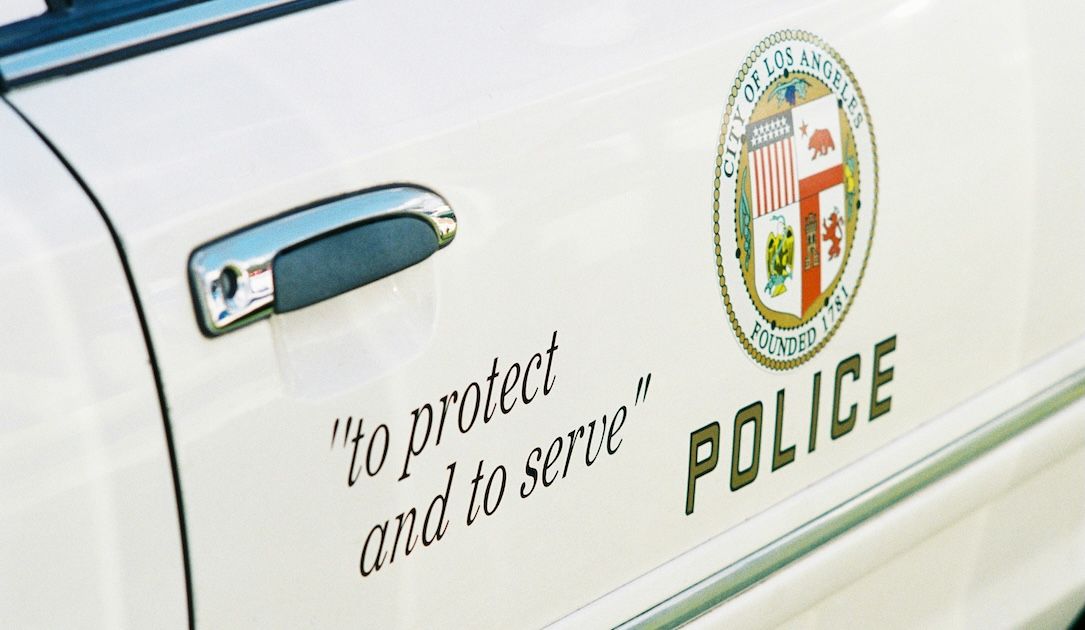
The Los Angeles Police Department is not renewing its contract with Flock Safety, pulling back from the automated license plate reader vendor while the two sides argue over who controls the data the cameras collect.
LAPD announced the decision on July 11 after an inspector general audit pressed the department to stop using Flock technology until enforceable privacy and security requirements are added. That is the plain policy change: no Flock use by LAPD until the contract says, in binding terms, what happens to the data.
Dean Gialamas, LAPD’s chief information officer, said the dispute centers on data control. “The sticking point is around having very clear terms about who owns the data, what happens with the data once they collect it,” Gialamas said.
Gialamas said LAPD will not use Flock “until we can get those data, privacy, security and sharing concerns ironed out through a contractual relationship.” A department spokesperson confirmed the decision and did not comment further.
Bad reads, real stops
Automated license plate reader systems photograph plates and compare them against law enforcement databases, creating records that can be used to follow vehicles across a city. Thousands of police departments across the United States use Flock and similar systems, according to reporting on the technology, giving officers a way to check vehicle movements and see where car owners have been multiple times a day.
The audit’s findings add a more concrete failure mode. Over a two-month period, LAPD investigated 161 vehicle owners after Flock wrongly flagged their cars as stolen, according to 404 Media. A false match in this system is not a typo in a spreadsheet. It can put an innocent driver into a police encounter triggered by a camera network and a database hit.
Flock called LAPD’s move a “surprise.” A company spokesperson said Flock is “confident that through ongoing discussions with LAPD, we can clear up the current misconceptions that led to [this] disappointing pause.”
The company also said it had been working with LAPD so any continued use of its technology would include “strong privacy protections, strict auditability, clear accountability, and appropriate limits around data access.” That is Flock’s claim. LAPD’s current position is that those limits are not yet nailed down in a contract the department is willing to keep using.
A larger backlash against plate readers
The Los Angeles decision lands amid broader scrutiny of license plate reader networks. Recent reports have raised concerns about Flock data being shared with immigration police. The technology has also been used by a local department in an investigation involving a woman suspected of having an abortion, and Flock was used to track protesters in several cities.
Los Angeles is the largest police department to break with Flock, according to The Record. Other communities have already cut ties or reversed course on the company’s cameras, including Seattle; Austin, Texas; Eugene, Oregon; Cambridge, Massachusetts; and Dayton, Ohio.
The fight is less about whether cameras can read plates than about who gets to reuse the resulting location data, under what rules, and with what consequences when the system is wrong. LAPD says it wants those answers in enforceable language before it turns Flock back on.
This story draws on original reporting from The Record.