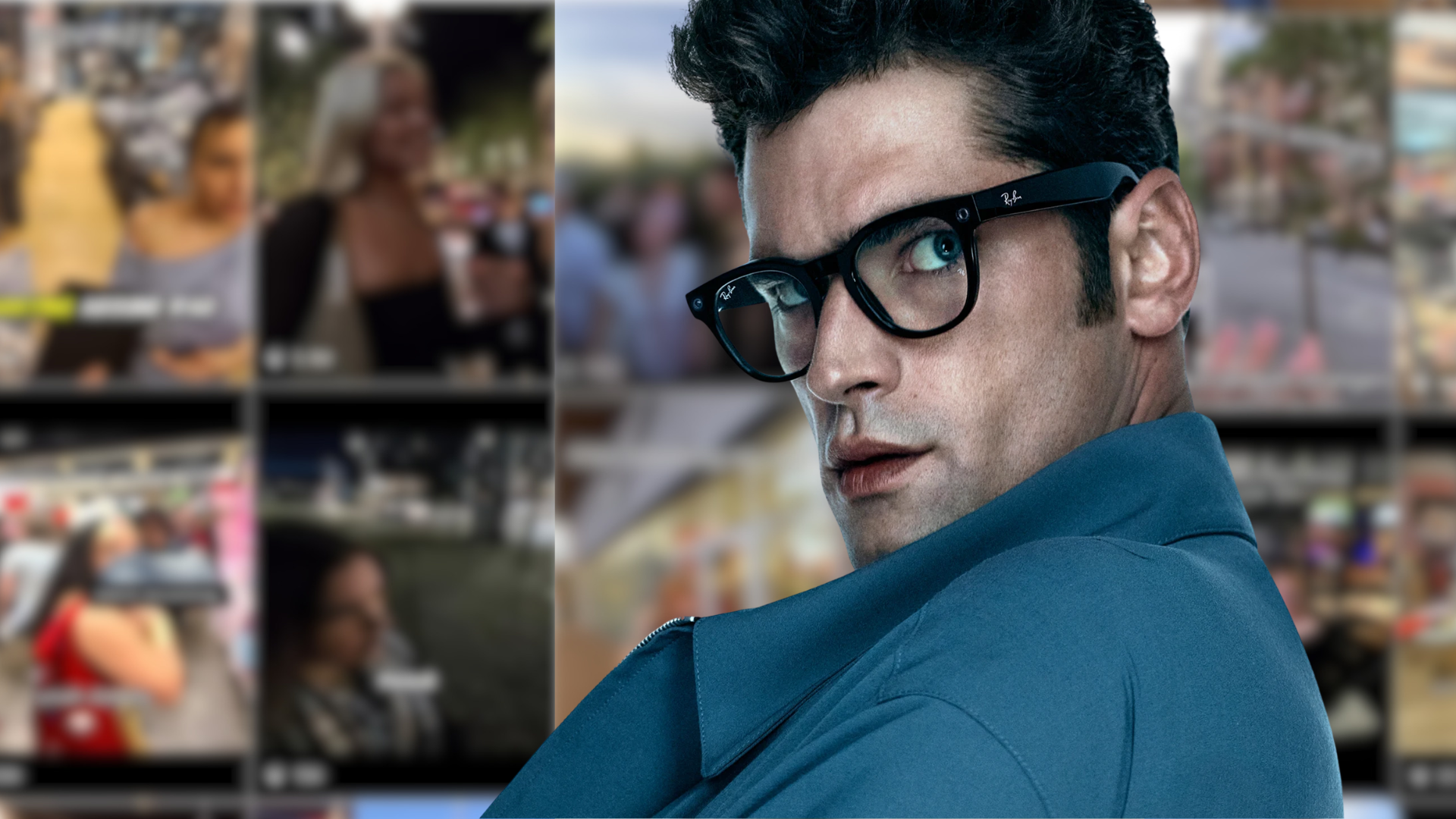
A new University of Sydney preprint on Meta smart glasses harassment examines how pickup-artist creators can turn public encounters with women into social-media content. Researchers Joanne Gray, Marcus Carter and Ben Egliston say the risk is a chain of events: a hard-to-notice first-person recording, an upload to a platform, then comments from an audience that did not take part in the original encounter.
The researchers analyzed 350 publicly available Instagram videos posted between September 2023 and March 2026. Their sample covered real-world approaches to women in public or semi-public places that appeared unsolicited, meaning there was no prior sign of mutual engagement. They also included clips that appeared staged, scripted or comedic, saying intent is difficult to establish from platform posts and those videos may still help normalize the behavior.
The paper, published online as a preprint rather than peer-reviewed research, calls the pattern “ambient capture”: camera glasses can record from the wearer’s viewpoint without the obvious physical signal of someone raising a phone. The researchers reported that the more covert the filming appeared in their material, the more severe the harassment tended to be.
How can Meta smart glasses turn an encounter into harassment?
According to the researchers, the glasses can make a subject less likely to realize they are being recorded, while the point-of-view footage places viewers in the creator’s position after it is posted. That can turn an unwanted approach into entertainment or instruction for pickup-artist audiences, they said.
The study’s findings separate two different comment measures that should not be mashed together. Researchers said comments remained enabled on 93.3% of the posts they examined. The Guardian separately reported that, in a subset of the material, researchers found abusive comments aimed at women in 43% of videos, with some comments disclosing personal details. In that subset, they classified about 60% of interactions as potential harassment, including cases where subjects appeared uncomfortable or tried to disengage.
Gray said the problem can continue after the in-person interaction ends because uploaded footage exposes subjects to a wider audience. That conclusion is the researchers’ interpretation of the material, not evidence that every person filmed was unaware of the camera or that every recording was unlawful.
What does Meta say it is doing about these videos?
Instagram head Adam Mosseri said the platform would remove content that takes advantage of or harasses people, including the pickup-line videos he referenced. Nearly a month after that statement, 404 Media reported that its reporter could still find many Reels of men approaching women while wearing smart glasses, including clips where women appeared unaware of filming or told the recorder to stop. That was a reporter’s observation, not a comprehensive review of Instagram.
Meta says its glasses use a white LED that flashes during photo or video capture and cannot be switched off. The company also says the camera automatically disables when it detects that the recording light has been physically tampered with or destroyed. Egliston has argued that an indicator light and reliance on users behaving responsibly do not adequately protect people being filmed.
The backlash nickname “pervert glasses” reflects concern about misuse, not a technical category. Camera glasses also have other uses, including hands-free visual-description assistance for blind users, as reported by The Guardian. The study addresses a particular content pattern and the platforms that distribute it, not every use of smart glasses.
This story draws on original reporting from 404 Media.