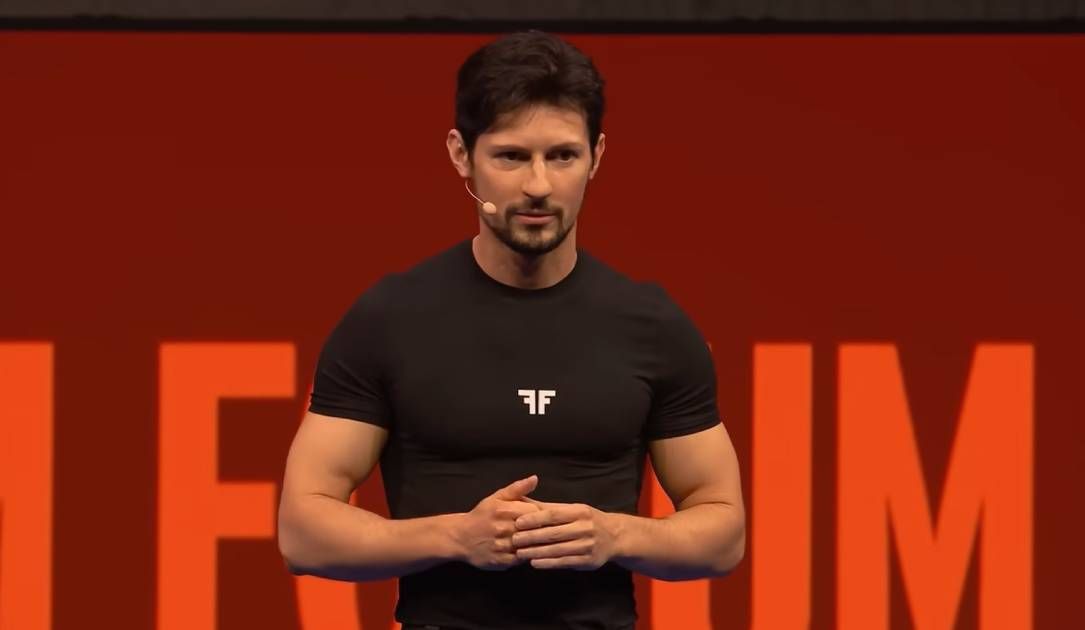
Russia’s Federal Security Service said Wednesday it has brought Pavel Durov terrorism charges and is trying to put the Telegram founder on an international wanted list, accusing him of helping terrorist activity by failing to remove accounts allegedly used by Ukrainian intelligence.
The FSB, in a statement carried by TASS, said Telegram channels and bots were used for espionage, sabotage recruitment and extremist activity inside Russia. The agency claimed Ukrainian operatives used the dating bot Daivinchik to contact Russians, including minors, by posing as young women and then pressuring them to carry out attacks.
Russian authorities said 46 people aged 12 to 22 have been detained since last summer in connection with the alleged recruitment operation. The FSB also released a video that it said showed young people admitting they had set fire to gas stations after being contacted through Telegram by anonymous handlers.
Recorded Future News said it could not independently verify the FSB’s allegations or the authenticity of the video. Ukrainian intelligence agencies did not comment on the claims.
Why does Russia want Pavel Durov arrested?
Russia says Durov bears criminal responsibility because Telegram allegedly did not remove tools used by Ukrainian intelligence services and groups Moscow labels terrorist or extremist. The mechanism alleged by the FSB is less about encrypted chat wizardry than platform governance: channels, bots and accounts remained available, according to the agency, and were allegedly used to find and direct recruits.
Daivinchik operates inside Telegram and resembles a dating app, with profiles and matching rather than a standalone social network. The bot has been reported to have as many as 16 million monthly users. In December, Russian authorities added it to the country’s banned websites register over material they classified as child pornography and what Russia calls “LGBT propaganda.”
Telegram had not issued a formal response immediately after the FSB announcement. Soon afterward, Telegram’s press account on X posted an old image of Durov raising his middle finger. Russian outlet Kommersant noted that the image dates to 2011, when Durov was fighting Mail.ru over control of VKontakte, the social network he founded before Telegram.
Durov said in February that Russian authorities had opened a criminal case accusing him of aiding terrorism. At the time, he said Moscow was creating new excuses to limit Russian access to Telegram and attack privacy and free speech.
Russia’s long fight with Telegram
Telegram has nearly 90 million users in Russia and has spent years in conflict with Moscow over content removals, data localization and cooperation with security services. Durov has argued that Russian officials want users pushed onto communications systems controlled by the state.
Telegram is reportedly difficult to access in Russia without a VPN or other circumvention tool. Russian state bodies, including the Kremlin, still post daily updates on the platform, which is an awkward bit of dependency that no one in Moscow seems eager to discuss too loudly.
Kremlin spokesman Dmitry Peskov said earlier this month that talks with Telegram about wider access in Russia were continuing, according to Vedomosti, while suggesting the company had shown little appetite for negotiations. Andrei Svintsov, deputy chair of the State Duma’s information policy committee, told TASS that Telegram could operate legally if it opened a Russian office, stored Russian users’ personal data in the country and cooperated with security services on terrorism cases.
The Russian case adds to Durov’s legal pressure elsewhere. French authorities detained him in August 2024 and later charged him over allegations that Telegram failed to adequately address child sexual abuse material, drug trafficking, fraud and other organized crime on the platform. Durov has denied wrongdoing and said Telegram follows applicable laws and responds to legitimate legal requests.
Durov, who was born in Russia, launched Telegram with his brother in 2013 after leaving VKontakte. Telegram later moved its headquarters to Dubai. Durov became a citizen of the United Arab Emirates in 2021 and also holds French citizenship. His current location is unclear, though he said last week that he was in Georgia.
This story draws on original reporting from The Record.