House Majority Leader Steve Scalise has dragged Olive Garden’s pasta promotion into the voting-rights fight, arguing on CNBC’s Squawk Box that the chain’s rules show U.S. elections should require stricter identification.
“For God's sake, you can't get pasta at Olive Garden without a picture ID! Why not be able to show a picture ID to vote?” Scalise said while backing the Safeguard American Voter Eligibility Act, known as the SAVE Act.
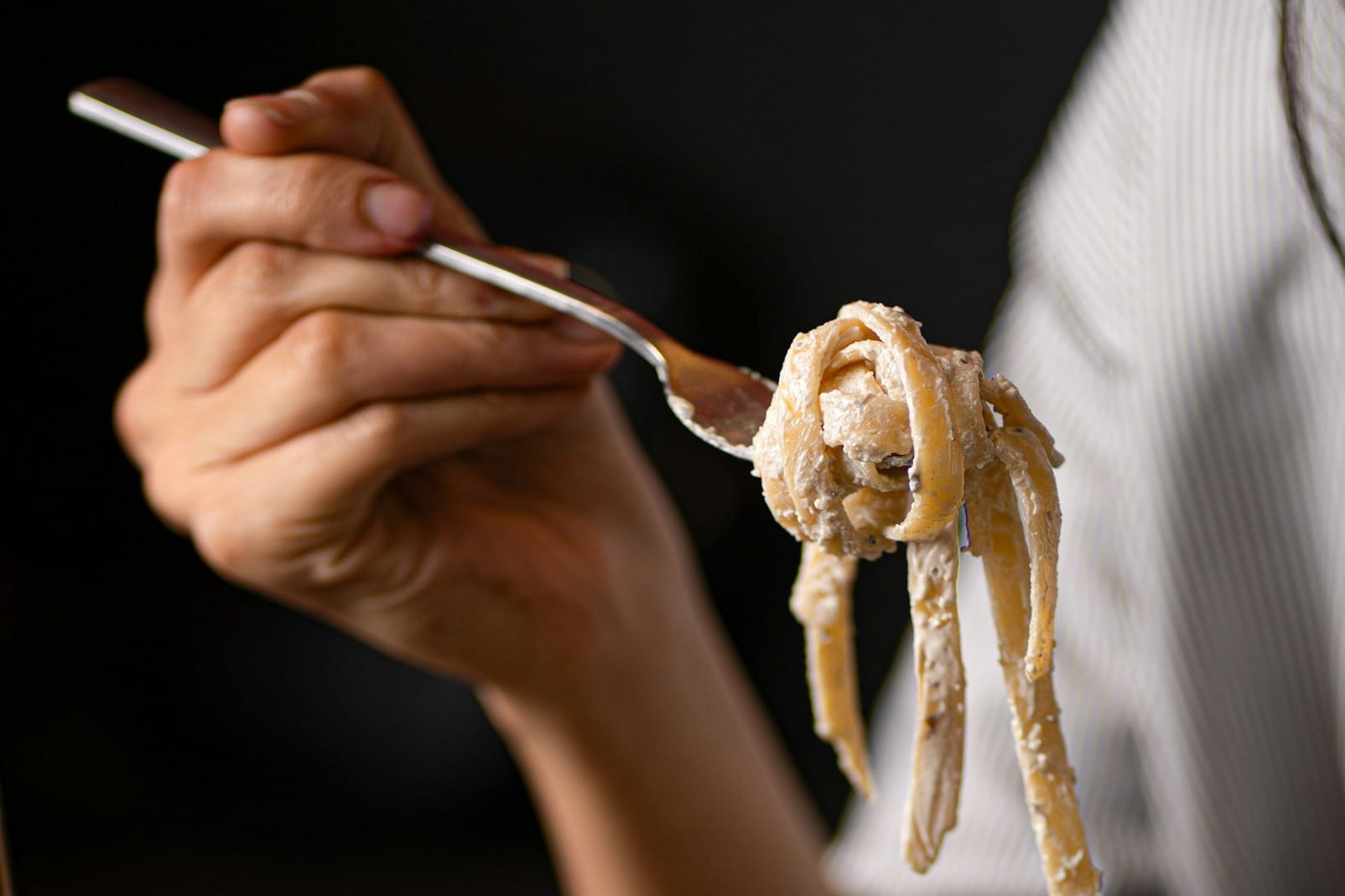
The line spread because Olive Garden brought back its Never-Ending Pasta Pass on July 16 with a photo ID requirement attached. The chain said on X that the pass can be used only by the person whose name is printed on it, and that customers must show a valid photo ID when ordering with the pass. That is a fraud-control rule for a limited restaurant promotion, not a civic access policy, but it has become a useful prop for Republicans selling stricter voting rules.
Sen. Mike Lee, Rep. Eli Crane, Indiana Attorney General Todd Rokita and Republican National Committee-affiliated accounts have made similar Olive Garden comparisons on social media in recent days. Their claim rests on a category error: a company checking whether one customer is using a non-transferable discount product says little about what documentation citizens should need to register or vote.
What Olive Garden is actually requiring
Olive Garden’s rule applies to the Never-Ending Pasta Pass, not ordinary pasta orders. The company told one X user that the pass is personalized and non-transferable, and that the passholder must show photo identification with the pass at ordering.
404 Media reported that Matthew Gault visited an Olive Garden during lunch to ask how the pass system would work. Gault said he had to speak with three employees before receiving an answer, and that staff told him the pasta pass card would not return until the end of August and they did not know how the process would work.
Darden Restaurants, Olive Garden’s parent company, was asked by 404 Media for more detail on the policy. No response was reported.
What the SAVE Act would change
Voting-rights groups say the SAVE Act would do much more than ask voters to flash a standard photo ID. Vote.org, a nonpartisan voting-rights nonprofit, says the bill would require Americans, including people already registered for years, to appear in person at an election office with qualifying documents.
According to Vote.org, the bill could disrupt or eliminate online voter registration in the 42 states that use it, end mail registration and make voter registration drives largely ineffective because people usually do not carry passports or birth certificates at public events.
Vote.org says a driver’s license by itself would not satisfy the bill. Acceptable documents would include a valid U.S. passport or passport card, a certified birth certificate plus photo ID, a naturalization certificate, or a Consular Report of Birth Abroad. People whose current names differ from their underlying documents, including people who changed their names after marriage, could need additional proof such as a marriage certificate.
Voting-rights advocates argue that the bill addresses a problem that evidence does not show at scale. The Brookings Institution has reported that election fraud in the United States is not widespread. The Conversation has reported that the Trump administration has revived false claims about the 2020 election, fake ballots and foreign interference ahead of the midterms.
Some Republicans also oppose the measure. Alaska Sen. Lisa Murkowski wrote in a Wall Street Journal op-ed that the bill would sharply limit voting access in Alaska because of the state’s geography and election infrastructure.
Olive Garden can decide who gets discounted pasta. Congress is arguing over who can get through the front door of democracy. The paperwork burden is the point of the dispute.
This story draws on original reporting from 404 Media.