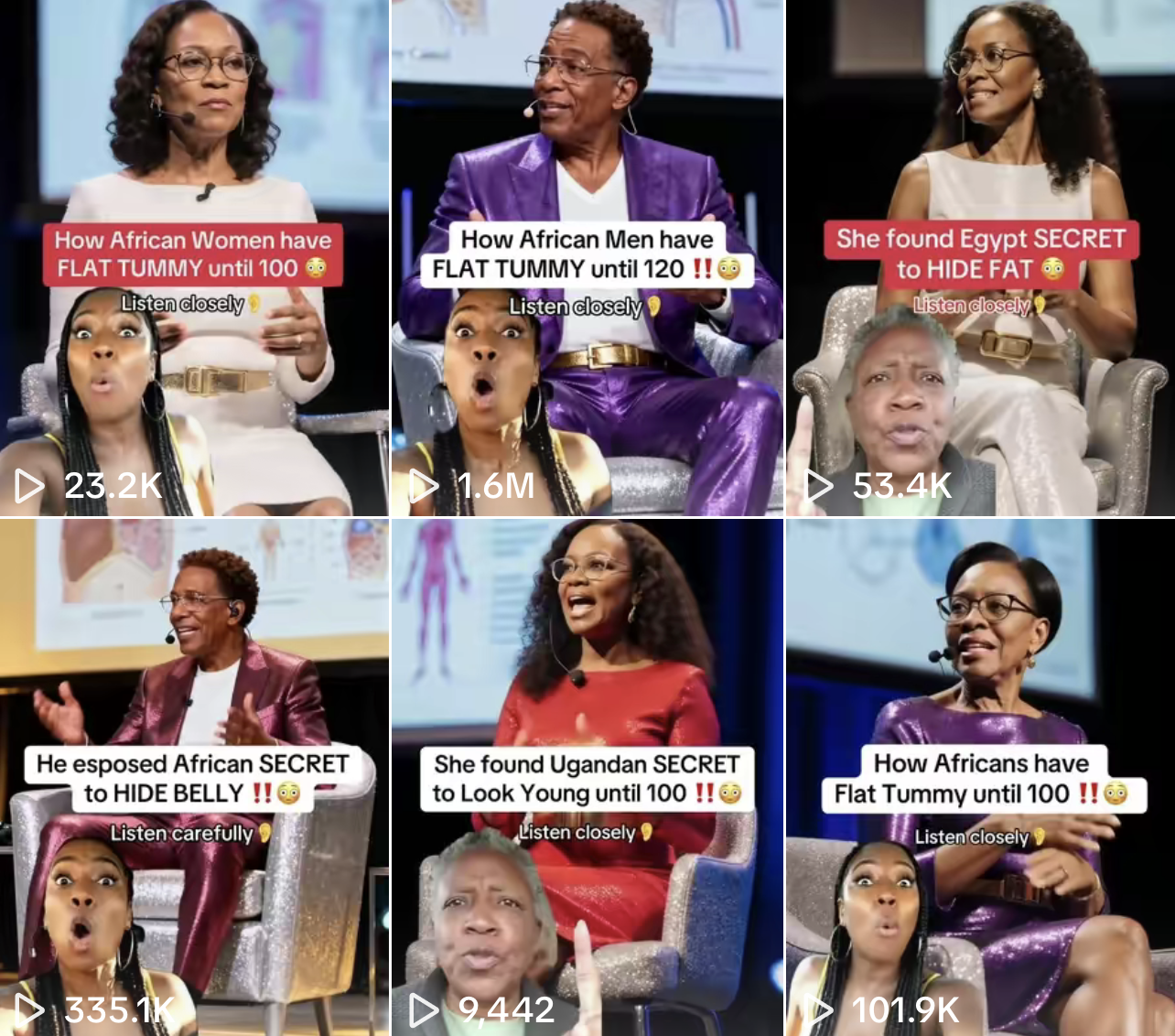
A Rosabella AI TikTok lawsuit is putting a familiar internet grift under oath: synthetic influencers, fake medical authority and affiliate commissions tied to supplement sales. Humann, a supplement company, sued competitor Ambrosia Brands in February, alleging Ambrosia used the Rosabella brand to direct or encourage hundreds of TikTok Shop videos that overstated the health benefits of Rosabella products.
The lawsuit says Rosabella’s TikTok operation mixed paid creators with AI-generated people posing as doctors, medical professionals and stage speakers. Humann alleges those videos made false or misleading claims about beetroot products and damaged confidence in competing beet supplements, including Humann’s SuperBeets products.
Ambrosia has pushed back in court filings, arguing Humann has not alleged facts showing Ambrosia induced or materially contributed to the conduct of third-party creators. The legal question is still unresolved. The mechanics described in the complaint, and in related creator videos, are much less mysterious.
What is the Rosabella TikTok lawsuit about?
Humann claims Rosabella ran a TikTok affiliate machine in which creators made AI-generated ads, linked viewers to TikTok Shop listings and earned commissions when products sold. The complaint alleges Rosabella used a private Discord channel to coach creators on producing those ads, including videos featuring fictional AI doctors and other authority-coded characters.
The complaint highlights a June 2025 TikTok post from an account called “poormaninla” that allegedly showed a white-coated “doctor” promoting Rosabella products, with another medical-looking figure on screen before the doctor spoke. 404 Media reported that the account remained online and that many of its videos appeared to be AI-generated, with some drawing hundreds of thousands of views.
The creator ecosystem around the brand was unusually explicit about the formula. In a February YouTube video, New Zealand creator Harry Chang said he copied a script from another liver supplement video, modified it and used Google Veo 3, HeyGen, ElevenLabs and CapCut to assemble an AI-generated TikTok ad for Rosabella. Chang said the video reached 1.3 million TikTok views and apparently produced tens of thousands of dollars in affiliate sales. 404 Media reported that several YouTube videos discussed in its reporting were deleted after it requested comment.
Chang also described targeting “elderly health” as a profitable category in the U.S. and said older-looking AI avatars could seem more relatable and credible to older buyers. That is the quiet part said into a ring light: build a synthetic person, dress them like an expert, point them at a health anxiety and collect a cut through TikTok Shop.
Mallory DeMille, who studies the wellness and supplements industry and reported on Rosabella for the Conspirituality podcast, told 404 Media that former dropshipping marketers appeared to have chosen supplements because the market offered little oversight and a strong money-making opportunity. She said wellness products made it easy for marketers to produce claims and sell at scale.
The Rosabella operation also had a named business figure behind it. 404 Media reported that Luca Washenko appeared in promotional material calling himself a lead coach in the Rosabella server, while trademark filings listed him as a Rosabella co-founder. His LinkedIn profile listed him as founder of MNY Ventures, which used Rosabella branding and posted jobs for AI video editors. One listing said the role required producing 10 AI videos per day from preset scripts and styles.
Rosabella’s regulatory history adds another layer. The Food and Drug Administration has posted an outbreak investigation tied to extensively drug-resistant salmonella and Rosabella moringa powder. That does not decide Humann’s false-advertising case, but it makes the AI-doctor marketing strategy harder to wave away as harmless content sludge.
The case now asks a court to sort out responsibility in an affiliate system designed to blur it: brand, Discord coach, TikTok creator, AI avatar, shop link. The people in the videos may be fake. The sales pipeline, according to the lawsuit and creator materials, was very real.
This story draws on original reporting from 404 Media.