A new round of YouTube ASMR bans removed several established creators this week after the company said their channels violated its rules against explicit content intended to be sexually gratifying. The removals matter because, for some creators, YouTube was both an income stream and the main archive of years of work.
Creators who have publicly said their channels were taken down include ItsBunniiASMR, Slight Sounds, Nananightray, Roseasmr, Simoneasmr and Janina Wilhelmsen. According to 404 Media, the notices arrived Wednesday and Thursday and used the same basic explanation: YouTube had reviewed the channels and found severe or repeated violations of its sex and nudity policy.
YouTube did not respond to 404 Media’s request for comment. The company’s notice told creators they could appeal, but affected creators said appeals did not reverse the removals.
Why did YouTube ban ASMR channels?
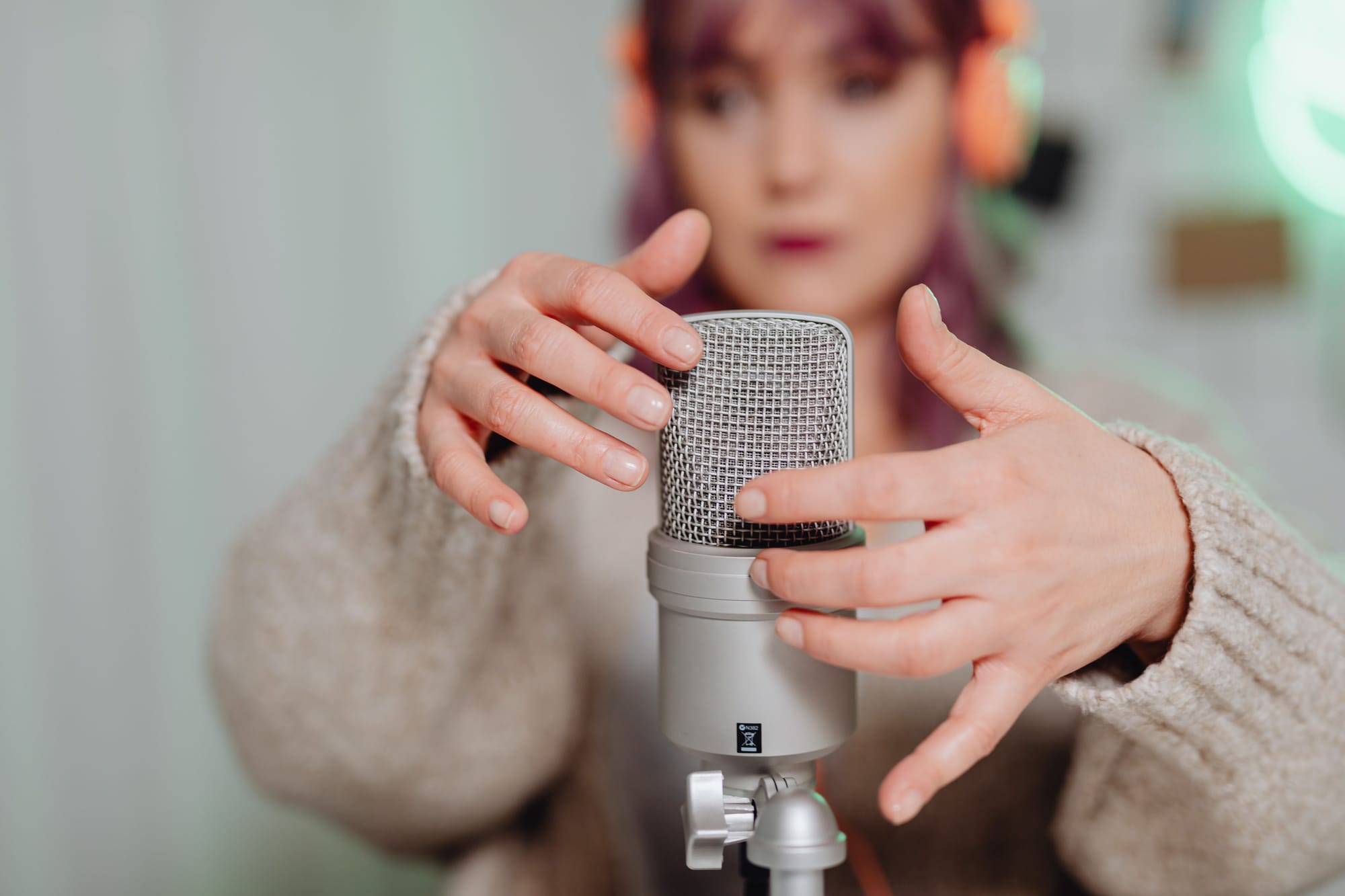
YouTube told the creators that explicit content meant to be sexually gratifying is not allowed on the service. The disputed part is how YouTube applied that rule to ASMR videos, a genre that often involves whispering, tapping, brushing sounds and close-mic audio meant to help viewers relax or sleep.
ASMR stands for autonomous sensory meridian response. It refers to the tingling or calming sensation some people report from particular sounds or soft-spoken attention, and the term has become shorthand for a large relaxation-video genre on YouTube.
The creators who spoke to 404 Media rejected YouTube’s characterization of their work as sexual or pornographic. They acknowledged that erotic ASMR exists, but said that was separate from the videos they posted to YouTube.
Slight Sounds, who said she has made ASMR videos on YouTube since 2013 and treated it as a full-time career since around 2018, told 404 Media the takedown threatens income, sponsorships and audience discovery across other services. She also said the removal cut off access to an archive of videos that mattered to her and her viewers.
ItsBunniiASMR’s channel had about 227,000 subscribers and more than 55 million views across hundreds of videos when it was removed, according to 404 Media. Bunnii said YouTube let viewers access her work without paying directly, unlike subscription or donation-based services, and that some viewers used the videos for sleep, anxiety and other mental-health struggles.
What YouTube’s policy says about ASMR
YouTube added language in 2019 barring content that is meant to be sexually gratifying. In 2022, the company updated its sexual-content rules to address ASMR more directly, saying it had strengthened enforcement against sexually gratifying ASMR and that ASMR videos with sexual audio sounds could be age-restricted or removed.
Creators faced a similar enforcement wave after that 2022 update, according to 404 Media. The current removals appear confusing to affected creators because many ASMR channels remain available on YouTube, and because the company’s notices did not identify specific videos or conduct in the material described by 404 Media.
Slight Sounds told 404 Media that ASMR has long been misunderstood as sexual, especially because the genre is intimate and female-dominated. She said closeness, whispering and care-focused roleplay can be read as sexual by outsiders even when creators do not intend that.
Some ASMR artists also make adult content on services such as OnlyFans or Fansly, but Slight Sounds said she kept those links and projects separate from YouTube. Her position, as described to 404 Media, is that off-platform adult work should not turn nonsexual YouTube videos into policy violations.
The dispute leaves creators with a familiar moderation problem: YouTube has a rule with real financial consequences, but the boundary between intimate relaxation content and sexual content is being drawn by the platform after publication. For the creators whose channels disappeared, that line was not theoretical. It erased their audiences, revenue and archives in one move.
This story draws on original reporting from 404 Media.