No reported evidence can say when an AI bubble will pop. What is clear from remarks reported November 3 is that the firms helping finance the infrastructure buildout are also flagging uncertainty about its economics.
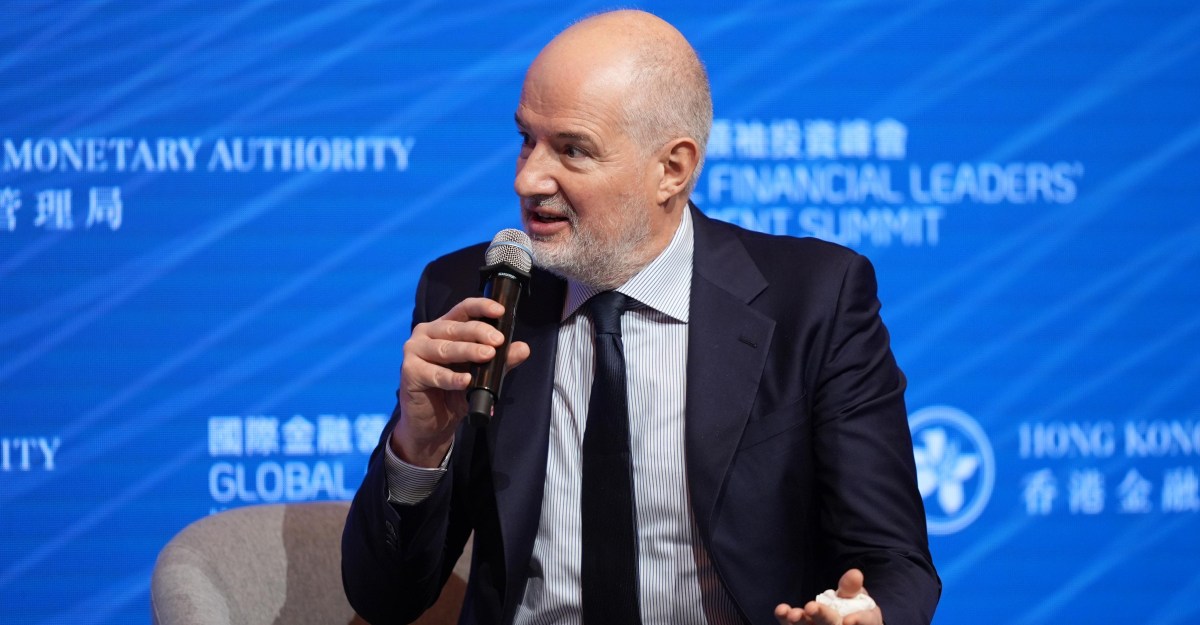
Emmanuel Roman, chief executive of Pacific Investment Management Co., told attendees at the 2026 Global Financial Leaders’ Investment Summit in Hong Kong that an AI-market downturn would come and that “things are going to break,” according to The Verge’s account of Bloomberg’s summit reporting. Roman did not provide a timetable, a specific trigger or a forecast probability.
That distinction matters. A warning about a future downturn is not proof that one is imminent, and it certainly does not produce a calendar date for a market peak. The useful question is whether revenue, prices and customer demand will eventually support the cost of the infrastructure now being financed.
When will the AI bubble pop?
The available reporting does not establish an answer. It instead shows two signals moving in opposite directions: executives at major investment firms see unresolved risk in the scale and economics of AI spending, while buyers remain willing to fund it through debt.
Roman estimated that the AI buildout could require $2 trillion in financing over the next five years, The Verge reported. That estimate describes the scale of prospective funding needs, not the amount that will necessarily be raised or repaid.
Apollo Global Management president Jim Zelter made the uncertainty plainer. He said he expects society to use far more computing power and said AI is improving quickly, according to The Verge. But he also said the missing piece is how pricing and economics will develop. In other words, more demand for computation does not by itself settle whether projects earn enough to justify the capital behind them.
Why are investors still buying AI-related debt?
Access to capital has not disappeared. The Verge reported, citing Bloomberg, that Meta received $58 billion in orders for a bond sale expected to raise between $15 billion and $20 billion. It also reported that Oracle said it would need another $20 billion in bonds, Alphabet was selling €6 billion of bonds, and Microsoft had recently issued $25 billion in bonds.
Heavy orders for an offering show that investors want the debt at the offered terms. They do not demonstrate that every AI infrastructure project will generate durable returns, nor do warnings from Roman or Zelter demonstrate that a broad collapse has begun.
Readers should treat the evidence as a narrow snapshot, not a market diagnosis. The reporting consists principally of one news account and commentary; it does not include the underlying bond documents, company filings, market data or complete summit transcripts needed to assess the buildout’s returns, timing or downside with confidence.
This story draws on original reporting from The Verge.